
Chef Takumi
Ago Dashi (あごだし, grilled flying fish stock)
Ago dashi is quiet luxury: roasted flying fish, konbu, and patient water. Steep it slowly and you get a clear stock that tastes sweet, clean, and full without heaviness.
A cooking platform built around craft, culture, and the stories behind what we eat.
Created by
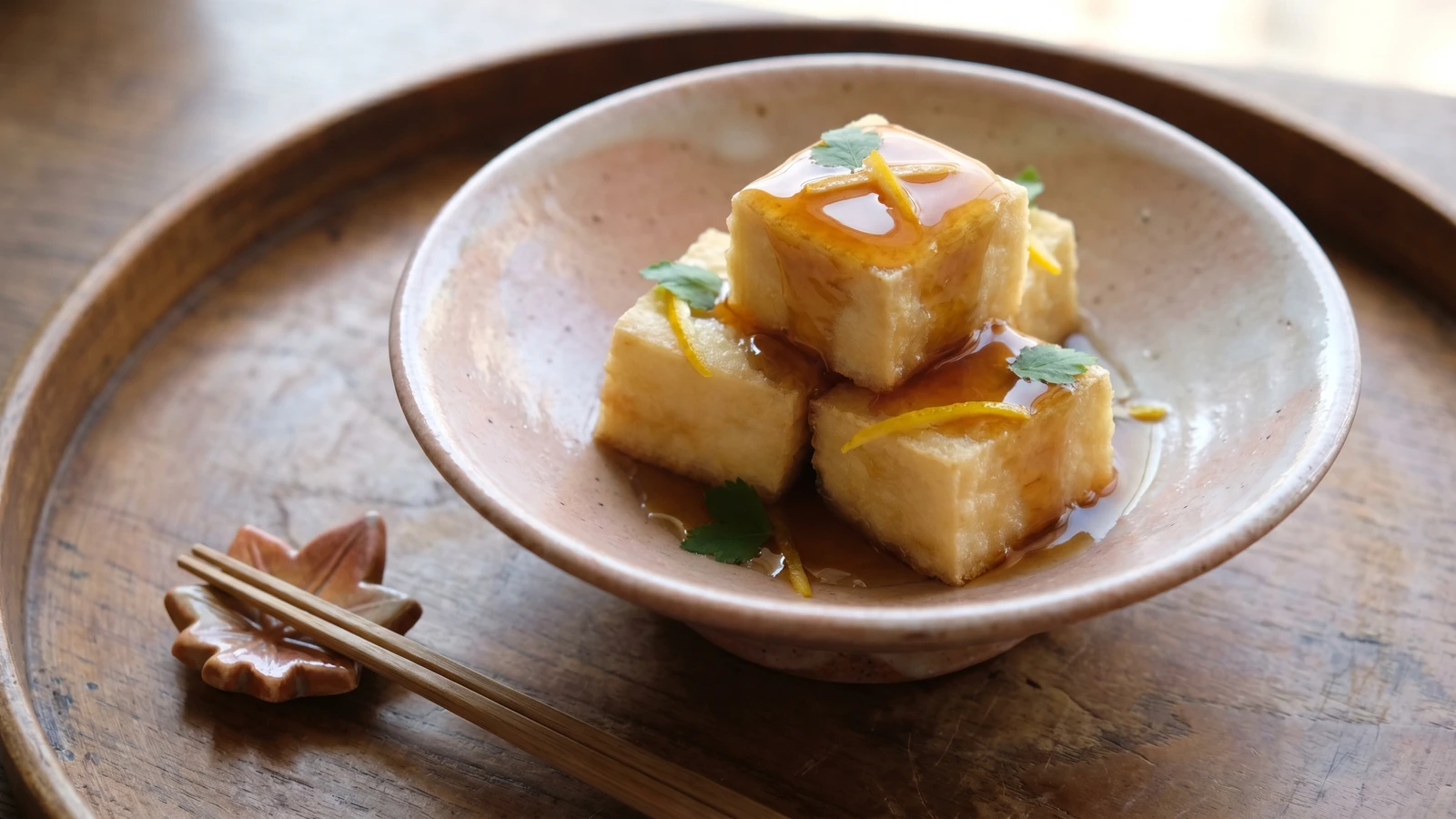
Bekkō-an is dashi given an amber coat: soy-dark, glossy, and light enough to flatter fried tofu or fish without covering the thing beneath.
This sauce is named for what it looks like. Bekkō means tortoise shell, that warm brown amber with light passing through it, and an is a thickened sauce. It sounds grand. It is mostly a small pot of good dashi, soy sauce, and kuzu stirred with patience until the surface turns glossy.
The one detail that decides it is clarity. Use a clean dashi, darken it with koikuchi shōyu, then thicken it with kuzu that has been fully dissolved in cold water. Kuzu thickens clear and supple, not pasty, which is why we use it here. Boil the sauce after it thickens just long enough to lose the raw starch cloud, then stop. Too little heat and it tastes chalky. Too much stirring over a hard boil and the shine goes dull, like a joke explained twice.
Bekkō-an belongs where a dish wants a little gloss and authority: over fried tofu, grilled or simmered white fish, steamed eggplant, or winter root vegetables. It is not there to hide anything. The sauce should cling lightly, enough to catch the light and season each bite, while the tofu, fish, or vegetable still speaks first. That is the proper order.
An, a thickened sauce or glaze, became common in Japanese cooking as starches such as kuzu and later katakuriko were used to give soups and broths a clinging texture without turning them heavy. Bekkō-an takes its name from the amber-brown color of tortoise shell, a prized material for combs and ornaments in the Edo period. The sauce is especially associated with refined home and ryōtei cooking, where it is spooned over fried tofu, fish, and seasonal vegetables for gloss, warmth, and controlled seasoning.
Quantity
1 piece (about 5g)
Quantity
10g
Quantity
2 cups
Quantity
2 tablespoons
Quantity
1 tablespoon
Quantity
1 teaspoon
Quantity
1/2 teaspoon
Quantity
2 teaspoons
Quantity
2 tablespoons
for dissolving the kuzu
| Ingredient | Quantity |
|---|---|
| konbu (dried kelp) | 1 piece (about 5g) |
| katsuobushi (bonito flakes) | 10g |
| cold water | 2 cups |
| koikuchi shōyu (dark Japanese soy sauce) | 2 tablespoons |
| mirin | 1 tablespoon |
| sake | 1 teaspoon |
| sugar (optional) | 1/2 teaspoon |
| kuzu starch | 2 teaspoons |
| cold waterfor dissolving the kuzu | 2 tablespoons |
Wipe the konbu with a damp cloth, but don't wash it. That pale powder on the surface is flavor, not dirt. Put the konbu in 2 cups cold water and warm it slowly over low heat. When small bubbles climb the sides and the water trembles, lift the konbu out. If it boils hard in the pot, the dashi turns bitter and a little slick, and this sauce has no place to hide that.
Bring the water just to a gentle boil, add the katsuobushi all at once, and take the pot off the heat. Leave it alone for 2 to 3 minutes, until the flakes sink. Don't stir. The flakes give themselves up cleanly when left in peace.
Strain through a cloth-lined sieve and let the liquid drip naturally. Don't squeeze the katsuobushi. Squeezing presses strong, oily flavors into the stock, and bekkō-an needs a clear base before it can become glossy.
Measure 1 cup of the dashi into a small saucepan. Add the shōyu, mirin, sake, and sugar if using. Bring it to a quiet simmer and taste. It should be a little stronger than soup, because the sauce will be spooned over tofu or fish rather than drunk from a bowl.
Crush the kuzu with the back of a spoon, then stir it into 2 tablespoons cold water until completely smooth. Do this in cold water only. Kuzu dropped straight into hot broth clumps at once, and then the sauce remembers your impatience.
Lower the heat and stir the kuzu slurry once more, then pour it into the simmering sauce in a thin stream while stirring steadily. Keep stirring as the liquid turns cloudy, then clear and glossy. Let it bubble gently for about 1 minute so the starch fully cooks. The sauce should coat the back of a spoon in a thin amber layer, not sit on it like paste.
Use the bekkō-an while warm, spooning a modest amount over fried tofu, simmered fish, or cooked vegetables. Let some of the food remain visible. The glaze is there to season and shine, not to bury the dish beneath it.
1 serving (about 60g)
Culinary guides, cultural storytelling, and the editorial depth that makes cooking meaningful.
Discover Culinary ExplorerChef Takumi
Ago dashi is quiet luxury: roasted flying fish, konbu, and patient water. Steep it slowly and you get a clear stock that tastes sweet, clean, and full without heaviness.

Chef Takumi
Akamiso dengaku-miso is plain work: bean miso, sweetness, sake, and patient stirring until the glaze turns dark, glossy, and thick enough to cling to the grill.

Chef Takumi
Snow-country takuan begins with smoke. Hang the daikon, dry it gently, then let rice bran, salt, and time turn it into Akita's amber pickle.

Chef Takumi
Aso takanazuke is spring caught in salt: sharp mustard greens pressed until they soften, fermented until their edge turns round, then fried briefly with sesame for rice.