Chef Takumi
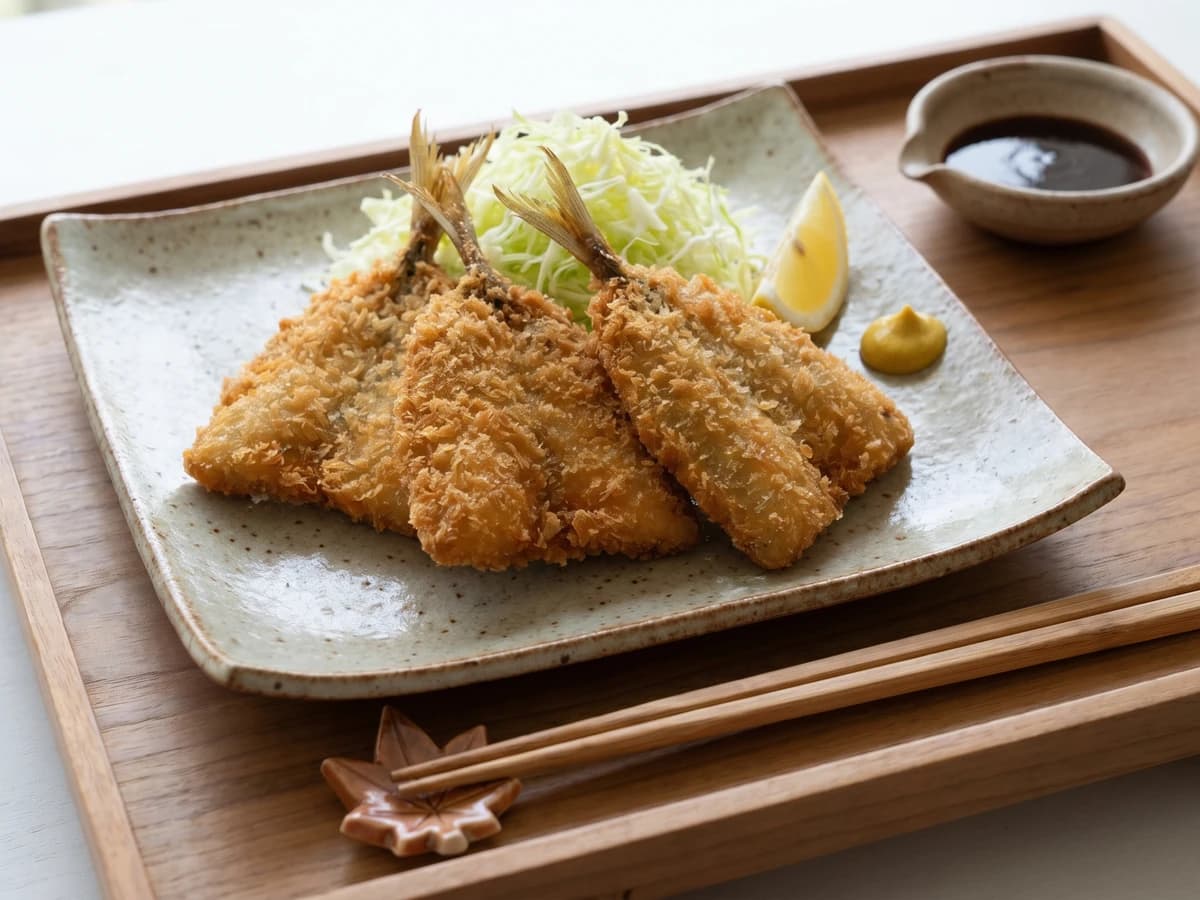
Aji Fry (アジフライ, panko-fried horse mackerel)
Aji fry is weeknight fish with no mystery: fresh horse mackerel opened cleanly, breaded lightly, and fried until the panko crackles while the flesh stays sweet.
A cooking platform built around craft, culture, and the stories behind what we eat.

Created by
Real teriyaki is not a sticky bottled sauce. It is chicken thigh cooked skin-side first, then glazed in soy, mirin, and sake until the surface shines.
Teriyaki has suffered from its own fame. A bottle made it look like a sauce, thick and sweet and a little bossy. In the Japanese kitchen it is a method: cook the food, glaze it with tare, and stop when the surface shines. That is all. Honmono is often rather plain when you finally meet it.
Use chicken thigh, skin on, and keep it whole. The thigh has enough fat to forgive a weeknight cook, and the skin gives the glaze something to hold. Look for flesh that smells clean, not sour or tired, with skin that is pale and unbroken. Sourcing first, always. No sauce should be asked to rescue poor chicken.
The detail that decides the dish is skin-side first, low and slow. You render the fat under the skin before the tare goes in, because soy, mirin, and sake cannot make a clear gloss through a puddle of grease. Pour off the fat, add the tare, and let it reduce around the chicken until the bubbles slow and the shine appears. Not difficult. Only a little unfamiliar.
At the table, tori no teriyaki sits easily beside rice, miso soup, and one small vegetable. This is the method, not the menu: grilled or pan-cooked food with a restrained glaze, sliced so each piece carries skin, meat, and shine together. Slice across the grain, set it with a little height, and leave it room.
Teriyaki is a method name before it is a sauce name: teri means the luster made by sugar or mirin, and yaki means grilled or broiled. Soy sauce spread through Edo-period urban cooking, while mirin moved from sweet drink to seasoning, giving cooks a glossy tare for fish such as buri no teriyaki before chicken became common at the home table. In the United States, especially through Hawaiian and West Coast cooking in the twentieth century, teriyaki came to mean a sweeter, thicker sauce, which is why the Japanese version can seem almost severe by comparison.
Quantity
2 (about 500g total)
Quantity
2 tablespoons
Quantity
2 tablespoons
Quantity
2 tablespoons
Quantity
1 tablespoon
Quantity
1 teaspoon
only if your pan needs it
Quantity
1 pinch
Quantity
for serving
| Ingredient | Quantity |
|---|---|
| boneless skin-on chicken thighs | 2 (about 500g total) |
| shōyu (Japanese soy sauce) | 2 tablespoons |
| mirin | 2 tablespoons |
| sake | 2 tablespoons |
| sugar | 1 tablespoon |
| neutral oil (optional)only if your pan needs it | 1 teaspoon |
| sanshō powder (optional) | 1 pinch |
| warm cooked short-grain rice (optional) | for serving |
Stir the shōyu, mirin, sake, and sugar together in a small bowl until the sugar mostly dissolves. This is the tare, the glaze. Make it before the pan is hot, because the last minutes move quickly. Mirin gives the shine, sake loosens the sauce and keeps the aroma clean, and soy gives the dish its backbone.
Pat the chicken very dry, especially the skin. Trim only the loose, hanging fat, then lay each thigh skin-side down and make a few shallow cuts through the thickest parts of the meat without cutting through the skin. This hidden knife work, kakushi-bōchō, evens the thickness so the thigh cooks before the glaze burns. Keep the thigh whole. Small pieces overcook before they can take on a proper shine.
Set a heavy frying pan over medium-low heat. Add the oil only if the pan is not well seasoned. Lay the thighs in skin-side down and press them flat for the first minute with a spatula, then leave them alone. Cook for 8 to 10 minutes, spooning off excess fat if it pools, until the skin is deep golden and the meat has turned opaque around the edges. Low heat matters here. You are melting the fat under the skin, not scorching sugar that is not even in the pan yet.
Turn the thighs and cook the flesh side for 3 to 4 minutes, just until the thickest part reaches 74 C, or the meat feels firm but still springy and the juices run clear. Move the chicken to a plate, skin-side up, and pour off almost all the fat from the pan. Leave about a teaspoon behind. Too much fat makes the tare slide and turn cloudy, and teriyaki should shine.
Return the chicken to the pan, skin-side up, and pour the tare around it. Simmer over medium heat, spooning the sauce over the skin, until the bubbles grow large and slow and the sauce leaves a clear trail when you draw a spoon across the pan, about 2 to 3 minutes. Turn the chicken once only if the flesh side needs coating. If the sauce tightens too fast, add a spoonful of water or sake and let it relax. The glaze should cling, not seize.
Rest the chicken for 3 minutes, skin-side up, then slice it across the grain into neat strips. Cutting across the grain shortens the muscle fibers, so each piece eats tender instead of stringy. Set the slices back into the shape of the thigh, spoon over a little tare, and finish with sanshō if you like. Serve with rice.
1 serving (about 360g)
Culinary guides, cultural storytelling, and the editorial depth that makes cooking meaningful.
Discover Culinary ExplorerChef Takumi
Aji fry is weeknight fish with no mystery: fresh horse mackerel opened cleanly, breaded lightly, and fried until the panko crackles while the flesh stays sweet.
Chef Takumi
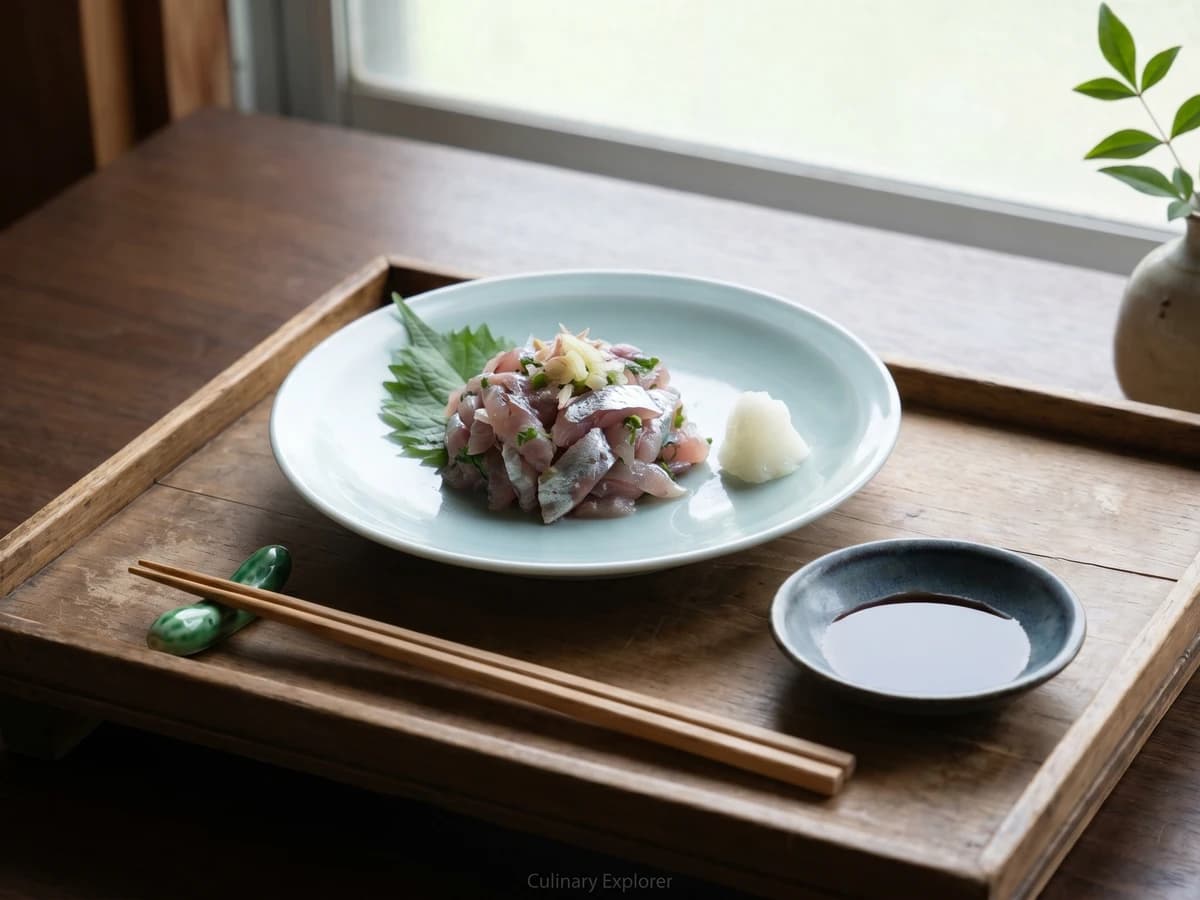
Summer horse mackerel, chopped just enough to catch ginger and scallion, becomes a cool, clean main dish with rice. The secret is fresh fish and a knife that does not bruise it.

Chef Takumi
Akashi-yaki is not sauced takoyaki. It is egg-rich batter, tender octopus, and clear dashi, cooked pale and soft so each ball can be dipped like a small custard dumpling.
Chef Takumi
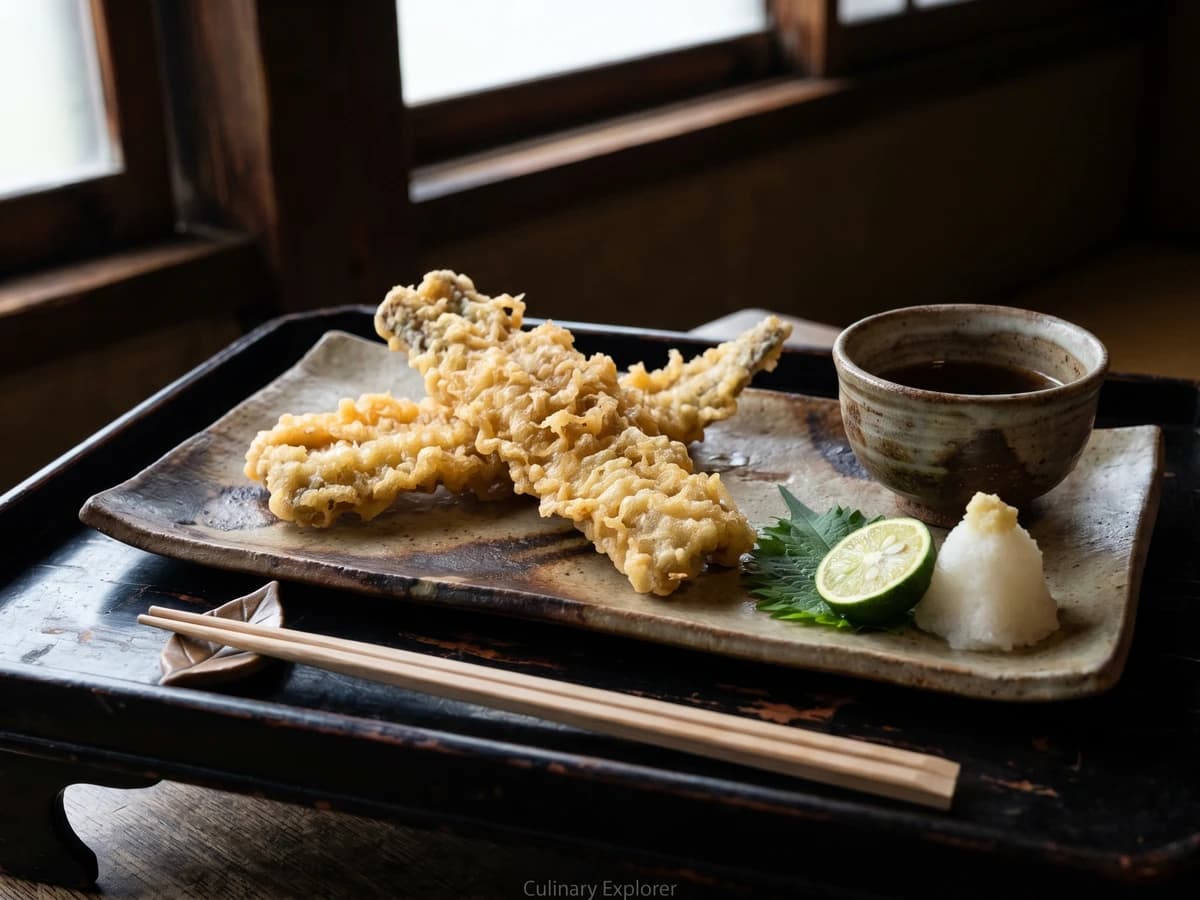
A whole anago looks like a test of nerve. It is mostly good sourcing, a dry skin, cold batter, and oil hot enough to leave the eel sweet under its lace.