Chef Takumi
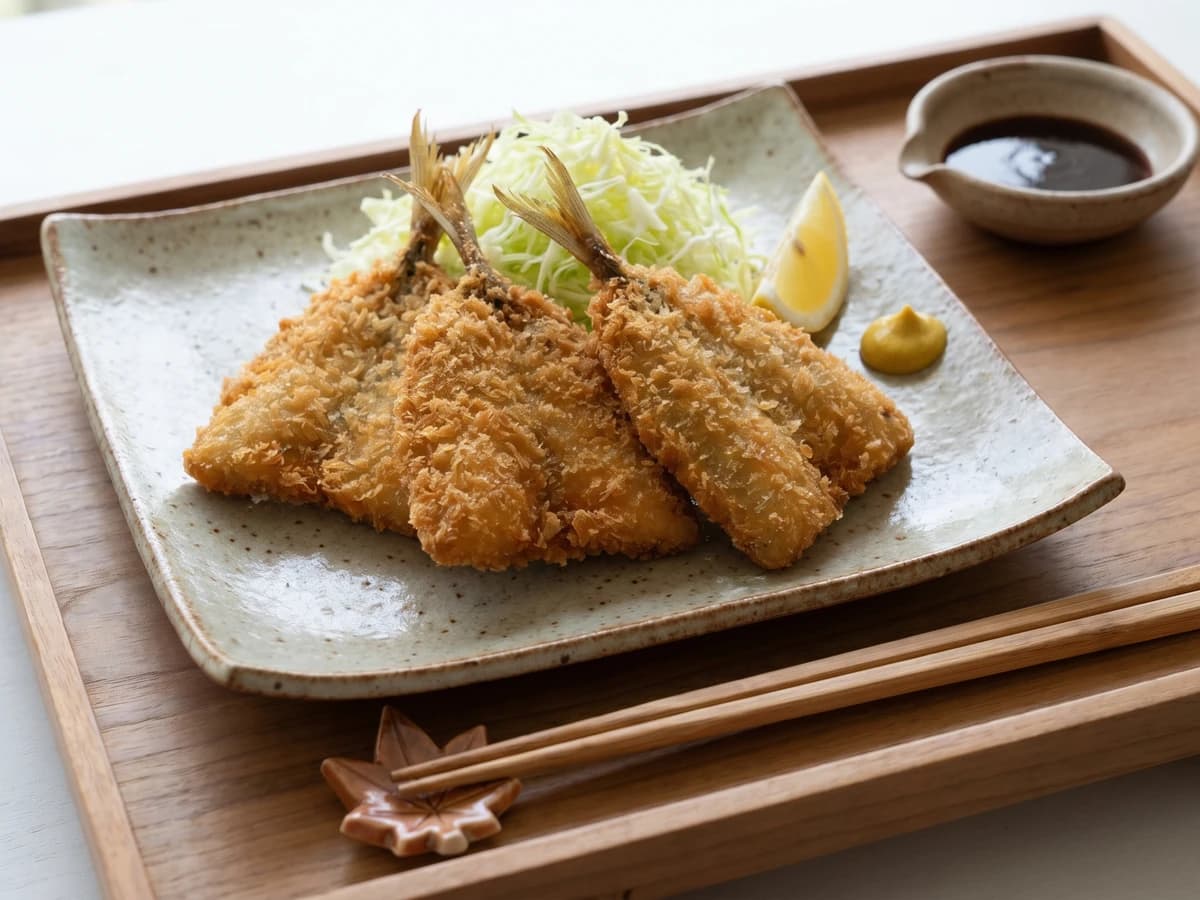
Aji Fry (アジフライ, panko-fried horse mackerel)
Aji fry is weeknight fish with no mystery: fresh horse mackerel opened cleanly, breaded lightly, and fried until the panko crackles while the flesh stays sweet.
A cooking platform built around craft, culture, and the stories behind what we eat.
Created by
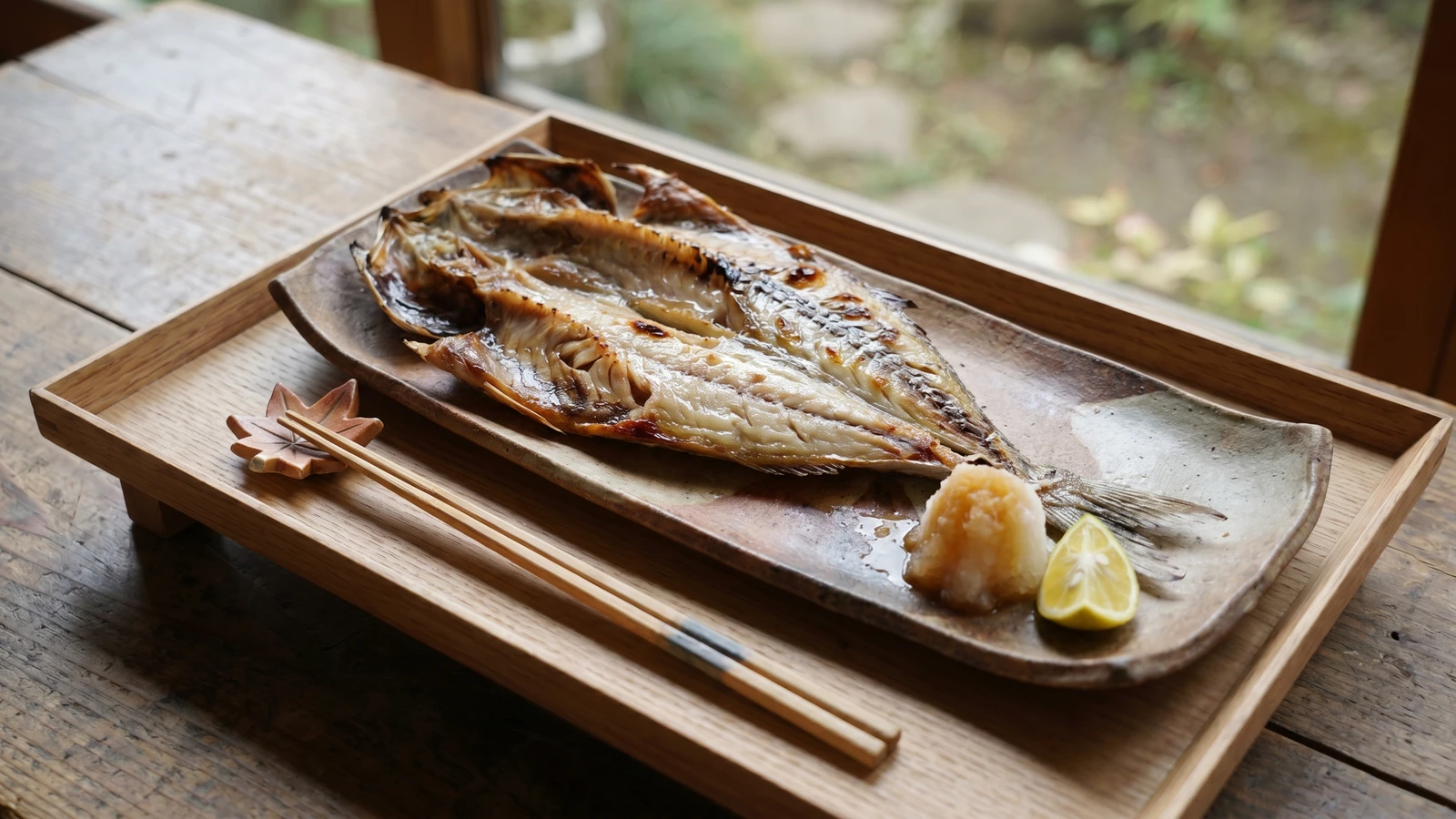
Hokke no hiraki asks for one good fish and a little patience. Salt, air, and the grill concentrate the flesh until it flakes open at the touch of chopsticks.
Asplit-open fish can look like a challenge, all bones and silver skin and the face still attached to the meal. Don't be frightened by its honesty. Hokke no hiraki is one of the plainest pleasures on the Japanese table: a whole fish, opened flat, salted, dried, and grilled until the skin crackles and the flesh comes away in broad, sweet flakes.
The drying is the first secret. Salt seasons the fish, yes, but it also draws out surface moisture, so the grill can brown the skin instead of merely warming wet flesh. A few hours in the refrigerator, uncovered, does the same quiet work as a dry sea wind. This is himono, dried fish, made reachable for a home kitchen without pretending the refrigerator is the coast of Hokkaido.
Sourcing comes first. Choose hokke that smells clean and ocean-cold, with bright skin and firm flesh. If you can buy it already split and dried from a good Japanese market, do that with no shame at all. If you start with fresh fish, keep the cut clean, make the brine measured, and dry it until the surface feels tacky rather than wet. Nothing hidden. The grill only finishes what the ingredient and the air have already begun.
Hokke, commonly translated as Atka mackerel but botanically a greenling, is strongly associated with Hokkaido and the cold waters of the Sea of Okhotsk and northern Sea of Japan. Salt-dried fish, or himono, predates modern refrigeration as a coastal preservation method, and splitting the fish open made thick-fleshed species like hokke dry evenly. In the postwar period, improved freezing and distribution helped hokke no hiraki become a familiar grilled item in izakaya and set-meal restaurants far beyond Hokkaido.
Quantity
1 fish (about 600 to 800g)
scaled and gutted, head left on if desired
Quantity
3 cups
Quantity
3 tablespoons
Quantity
1 tablespoon
Quantity
1 small piece
grated just before serving
Quantity
1 wedge
Quantity
for serving
| Ingredient | Quantity |
|---|---|
| whole fresh hokkescaled and gutted, head left on if desired | 1 fish (about 600 to 800g) |
| cold water | 3 cups |
| sea salt | 3 tablespoons |
| sake | 1 tablespoon |
| daikon radishgrated just before serving | 1 small piece |
| lemon or sudachi wedge (optional) | 1 wedge |
| soy sauce (optional) | for serving |
Lay the cleaned hokke belly-side down and cut along one side of the backbone from head to tail, opening the fish like a book while keeping the two halves attached. Remove the backbone if you like a neater plate, or leave it in for easier handling on the grill. Rinse away any blood near the spine and pat the fish very dry, because blood muddies the flavor and moisture fights the browning.
Dissolve the salt in the cold water, then stir in the sake. Slip the fish into the brine for 25 to 30 minutes, weighting it lightly with a plate if it floats. The brine seasons evenly all the way across the opened flesh, and the sake helps clean the aroma without covering the fish.
Lift the fish from the brine, rinse it briefly, and pat it dry. Set it skin-side down on a rack over a tray and refrigerate uncovered for 3 to 4 hours, until the flesh looks slightly translucent and feels tacky, not wet. This drying is the heart of the dish: it concentrates flavor and lets the skin crisp under heat.
Heat a fish grill, broiler, or well-oiled grill pan to medium-high. Brush or wipe the grate with oil, then start the hokke skin-side down. The first contact sets the skin, and a hot surface keeps it from tearing when you turn it.
Grill skin-side down for 6 to 7 minutes, then turn carefully and cook the flesh side for 3 to 5 minutes more. The skin should be blistered and crisp in patches, the edges browned, and the flesh should separate in large flakes when nudged with chopsticks. Pull it before it dries hard. We dried the surface to concentrate the fish, not to turn dinner into roof tile.
Transfer the hokke to a long plate or shallow stoneware dish, skin-side visible if it is handsomely blistered. Set grated daikon and a citrus wedge to one side, with soy sauce offered separately. Squeeze citrus over the fish and touch the daikon with a few drops of soy at the table, so the fish stays clean and nothing is hidden under sauce.
1 serving (about 240g)
Culinary guides, cultural storytelling, and the editorial depth that makes cooking meaningful.
Discover Culinary ExplorerChef Takumi
Aji fry is weeknight fish with no mystery: fresh horse mackerel opened cleanly, breaded lightly, and fried until the panko crackles while the flesh stays sweet.
Chef Takumi
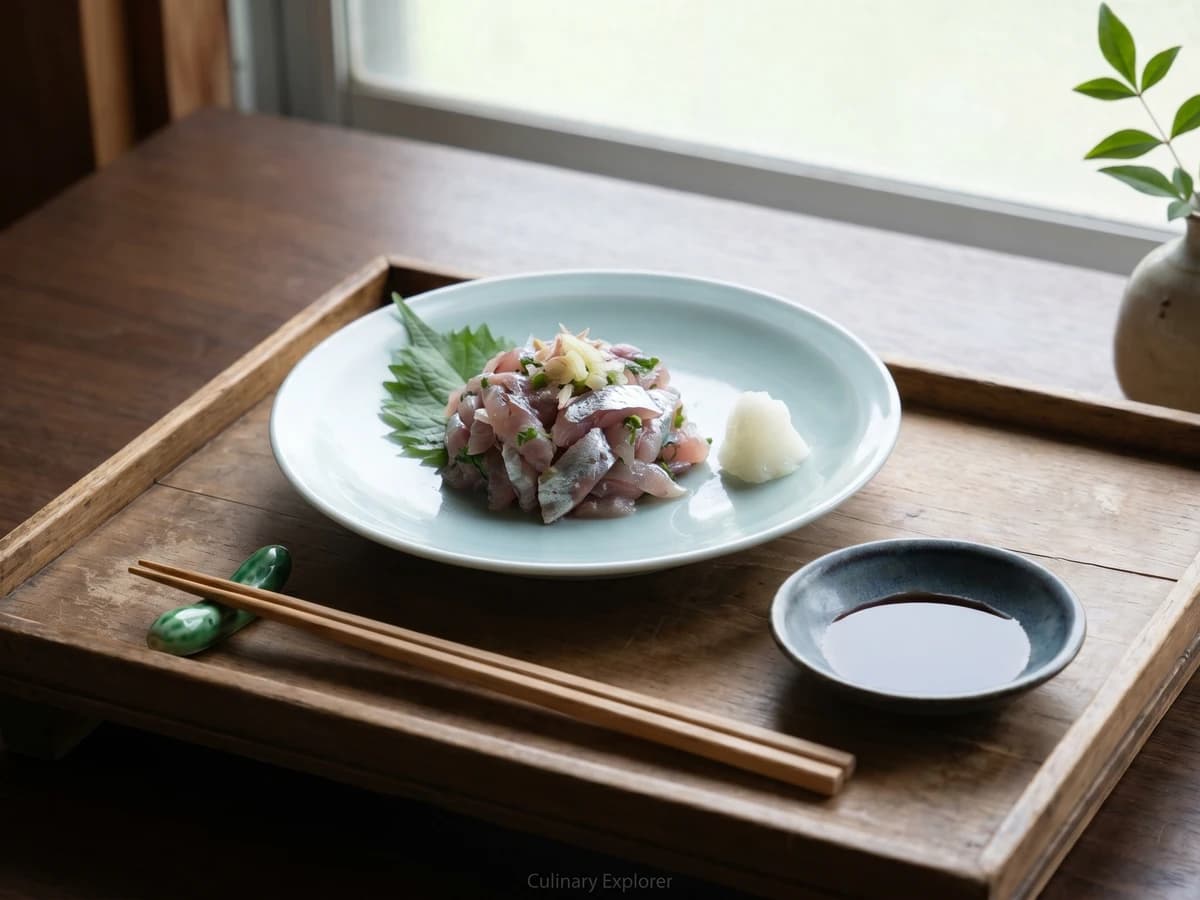
Summer horse mackerel, chopped just enough to catch ginger and scallion, becomes a cool, clean main dish with rice. The secret is fresh fish and a knife that does not bruise it.

Chef Takumi
Akashi-yaki is not sauced takoyaki. It is egg-rich batter, tender octopus, and clear dashi, cooked pale and soft so each ball can be dipped like a small custard dumpling.
Chef Takumi
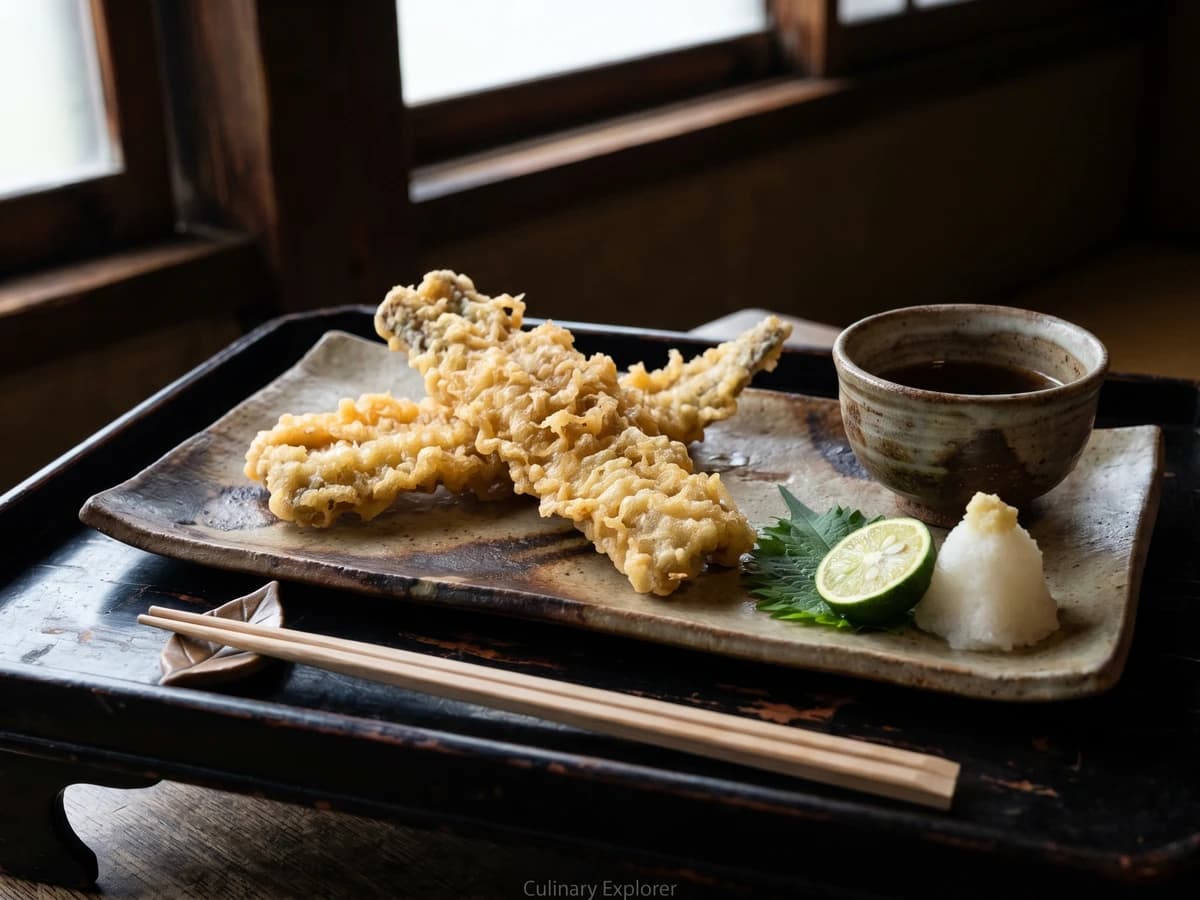
A whole anago looks like a test of nerve. It is mostly good sourcing, a dry skin, cold batter, and oil hot enough to leave the eel sweet under its lace.