Chef Takumi
Aji Fry (アジフライ, panko-fried horse mackerel)
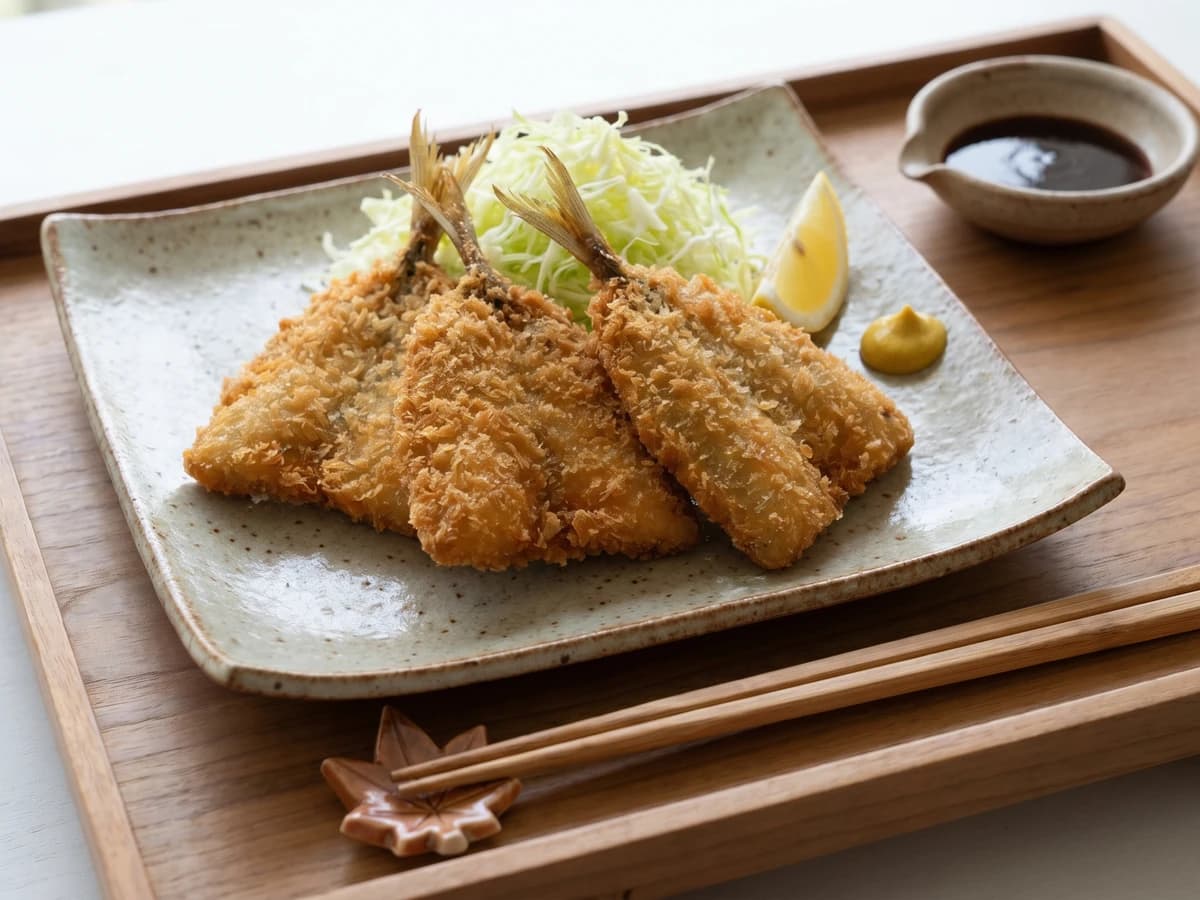
Aji fry is weeknight fish with no mystery: fresh horse mackerel opened cleanly, breaded lightly, and fried until the panko crackles while the flesh stays sweet.
A cooking platform built around craft, culture, and the stories behind what we eat.

Created by
Two quiet stripes over rice: seasoned chicken, soft egg, and green peas. Soborodon is a bento staple because it keeps well, eats cleanly, and asks only for careful stirring.
Soborodon looks almost too orderly: one side brown with sweet soy-simmered chicken, one side yellow with fine egg, a few green peas set between them like someone with a ruler had a hand in lunch. Don't be fooled by the neatness. This is everyday donburi, and it belongs to the practical side of the Japanese kitchen.
The one detail that decides it is texture. Soboro means small crumbles, and both the chicken and the egg should be broken fine, not left in clumps. Stir the chicken from the start, before the pan grows hot, and keep stirring as the liquid reduces. The meat drinks the soy, sake, and mirin while it separates into soft grains. Start too hot and it seizes into lumps, which is a small tragedy, but not one that needs a committee.
The egg is the same lesson in a brighter color. Low heat, chopsticks or a fork, steady movement. You're making iri tamago, finely scrambled egg, tender and dry enough to sit on rice without leaking. It isn't difficult. It is only unfamiliar until your hand learns the motion.
Soborodon sits naturally in bento because it is clean, compact, and good at room temperature, but it is just as useful on a weeknight when rice is ready and no one wants a performance. The method, not the menu, is what matters here: simmer, stir, lay it over rice with room left between the colors. Honmono can be this plain.
Soboro, finely crumbled seasoned meat, fish, or egg, has long been used in Japanese home cooking and bento because it packs neatly and seasons rice without making it wet. Chicken soboro became especially common in the modern period as poultry grew more available for everyday meals, while iri tamago provided a bright companion made from an inexpensive staple. The striped arrangement, often called sanshoku don when three colors are used, reflects the bento habit of building a meal by color as well as taste.
Quantity
4 cups cooked
warm
Quantity
450g
preferably thigh or a thigh-breast mix
Quantity
3 tablespoons
Quantity
2 tablespoons
Quantity
2 tablespoons
Quantity
1 tablespoon
Quantity
1 teaspoon
finely grated
Quantity
4
Quantity
1 tablespoon
for the egg
Quantity
1 tablespoon
for the egg
Quantity
1/4 teaspoon
Quantity
1 teaspoon
Quantity
1/2 cup
blanched
Quantity
for serving
| Ingredient | Quantity |
|---|---|
| Japanese short-grain ricewarm | 4 cups cooked |
| ground chickenpreferably thigh or a thigh-breast mix | 450g |
| soy sauce | 3 tablespoons |
| sake | 2 tablespoons |
| mirin | 2 tablespoons |
| sugar | 1 tablespoon |
| fresh gingerfinely grated | 1 teaspoon |
| large eggs | 4 |
| sugarfor the egg | 1 tablespoon |
| sakefor the egg | 1 tablespoon |
| sea salt | 1/4 teaspoon |
| neutral oil | 1 teaspoon |
| green peasblanched | 1/2 cup |
| pickled ginger or cucumber pickles (optional) | for serving |
Have the cooked short-grain rice warm and covered before you start the toppings. Donburi waits for no one kindly. Warm rice receives the seasoning from the chicken without turning stiff, and the bowl eats as one dish rather than three separate piles.
Put the ground chicken, soy sauce, sake, mirin, sugar, and grated ginger into a cold saucepan or small skillet. Break the meat apart with chopsticks or a fork until the liquid loosens it evenly. Starting cold matters because the chicken separates before it firms, giving you the fine soboro texture instead of hard clumps.
Set the pan over medium heat and stir constantly as the chicken cooks. Keep scraping the bottom and sides, breaking up any larger bits as they appear. After 7 to 9 minutes, the liquid should be mostly absorbed and the meat should look glossy, loose, and finely crumbled. Stop while it is still moist, because rice wants seasoned softness, not gravel.
Whisk the eggs with the sugar, sake, and salt until the whites disappear. Don't beat in a great deal of air. Air makes large curds and bubbles, while this dish wants small, tender grains of egg that lie neatly beside the chicken.
Warm a small nonstick skillet over low heat and wipe it with the neutral oil. Add the egg mixture and stir steadily with chopsticks or a fork, sweeping the pan in small circles. As the egg begins to set, lift the pan off the heat for a moment if it thickens too fast. Cook until the egg is just set, pale yellow, and finely crumbled, 3 to 5 minutes.
If the peas are not already cooked, blanch them in boiling water until bright green, about 1 minute, then drain. The peas are not decoration only. Their green color gives the bowl its third note, and their clean sweetness cuts the soy-rich chicken.
Divide the warm rice among four donburi bowls, filling each bowl only about halfway so the toppings sit inside the rim. Spoon the chicken over one side and the egg over the other, keeping the edges soft rather than drawing hard lines. Scatter the peas in a narrow band or in three small groups. Serve with pickles on the side.
1 serving (about 350g)
Culinary guides, cultural storytelling, and the editorial depth that makes cooking meaningful.
Discover Culinary ExplorerChef Takumi
Aji fry is weeknight fish with no mystery: fresh horse mackerel opened cleanly, breaded lightly, and fried until the panko crackles while the flesh stays sweet.
Chef Takumi
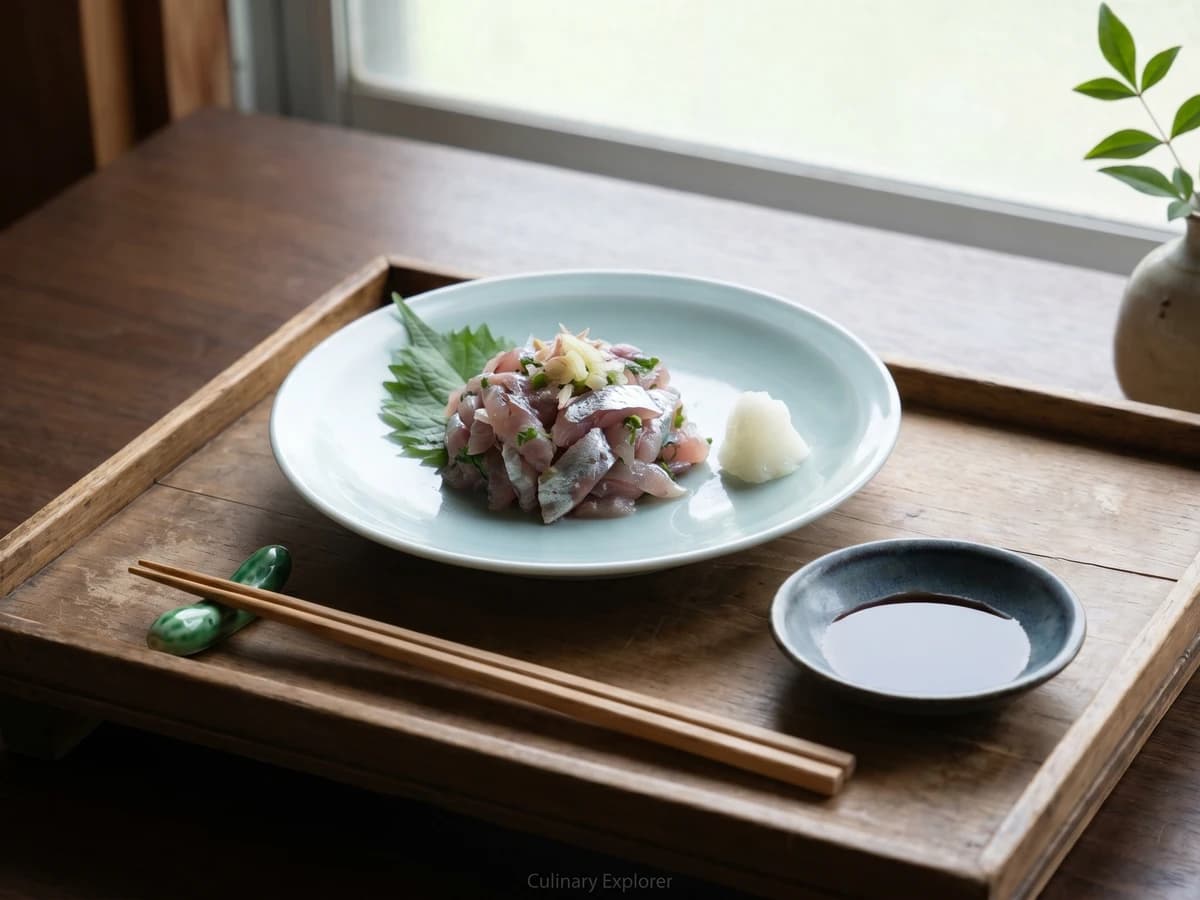
Summer horse mackerel, chopped just enough to catch ginger and scallion, becomes a cool, clean main dish with rice. The secret is fresh fish and a knife that does not bruise it.

Chef Takumi
Akashi-yaki is not sauced takoyaki. It is egg-rich batter, tender octopus, and clear dashi, cooked pale and soft so each ball can be dipped like a small custard dumpling.
Chef Takumi
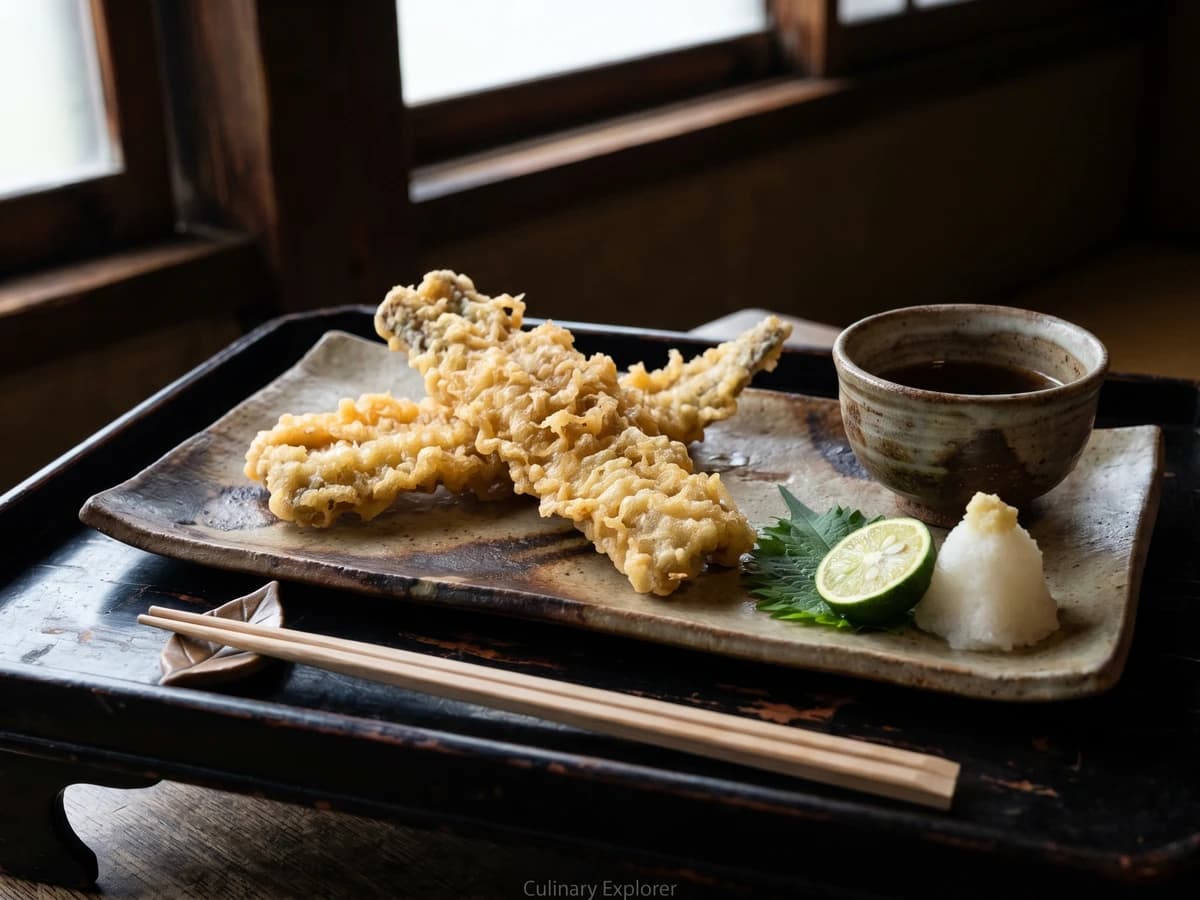
A whole anago looks like a test of nerve. It is mostly good sourcing, a dry skin, cold batter, and oil hot enough to leave the eel sweet under its lace.