Chef Takumi
Aji Fry (アジフライ, panko-fried horse mackerel)
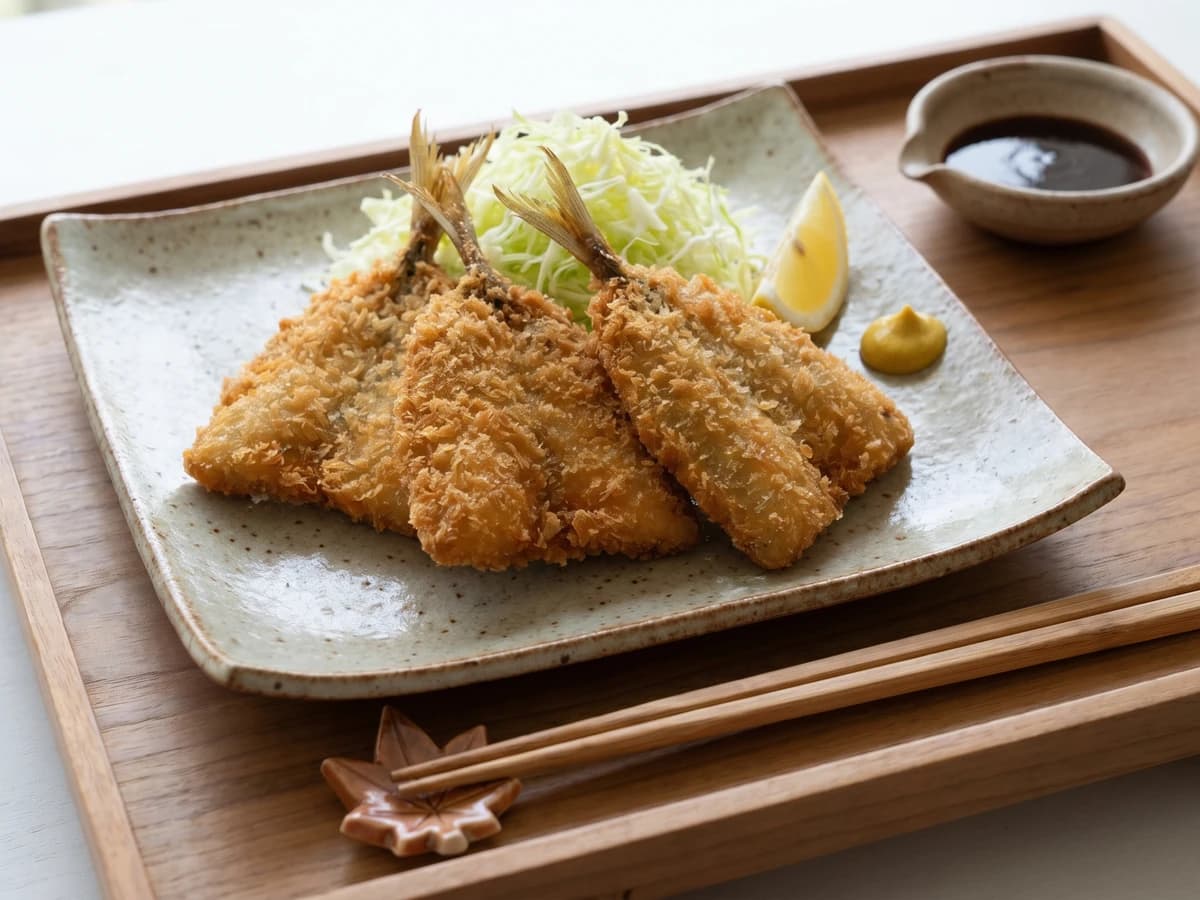
Aji fry is weeknight fish with no mystery: fresh horse mackerel opened cleanly, breaded lightly, and fried until the panko crackles while the flesh stays sweet.
A cooking platform built around craft, culture, and the stories behind what we eat.
Created by
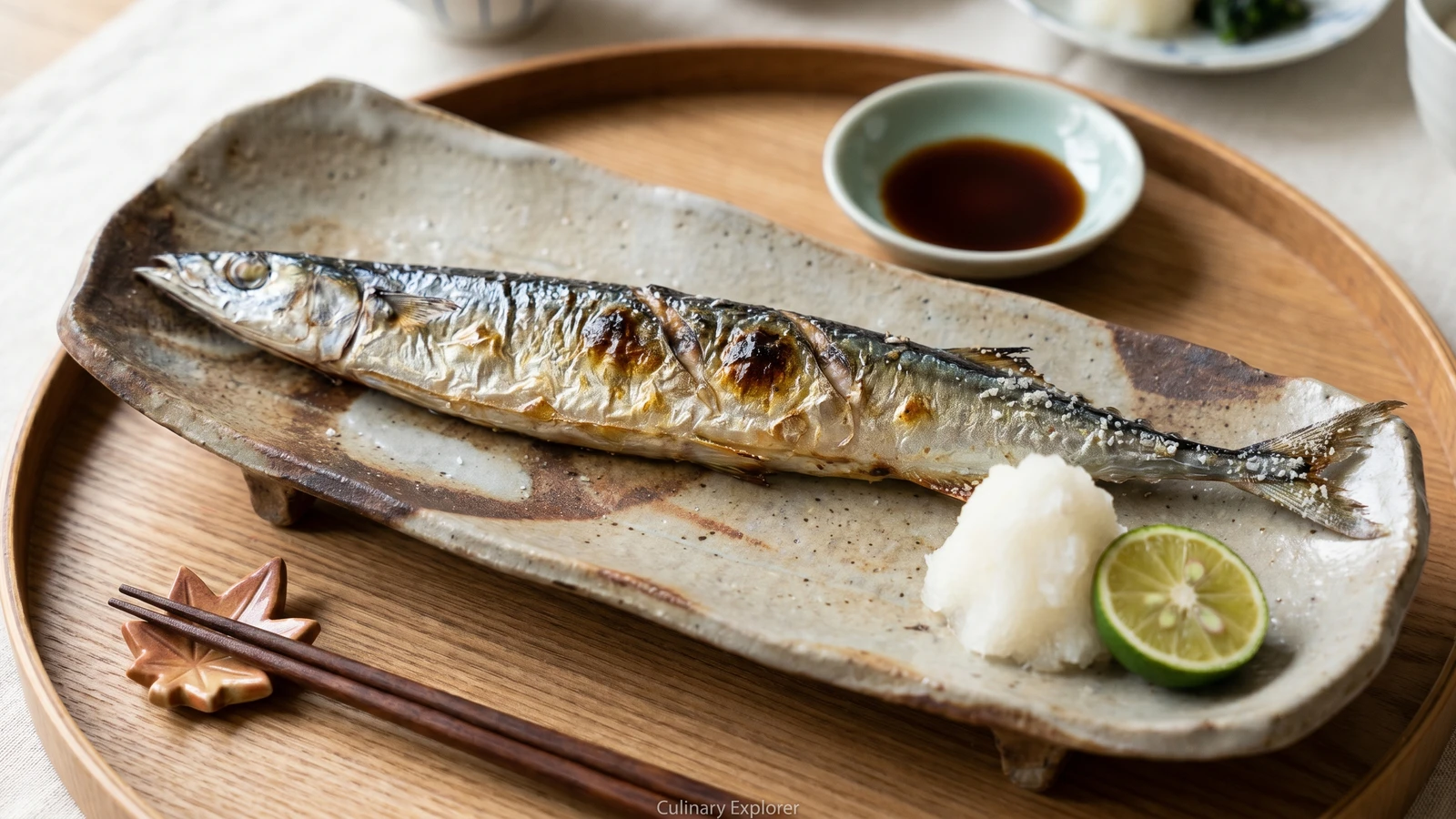
Sanma asks for almost nothing: good autumn fish, salt, a hot grill, and the patience to let the skin blister while the rich liver stays tucked inside.
Sanma tells us autumn has arrived before any calendar does: a narrow silver fish, fattened by cold water, going to the grill whole. The plate can make a new cook hesitate. Head, tail, bones, bitter liver, all of it looking more like a test than dinner. It isn't. Shioyaki means salt-grilled, and the method is as plain as its name.
The stake is the fish at its shun, its prime. Choose sanma that looks glistening fresh, with clear eyes, metallic skin, and a belly that is tight and clean. If the belly is soft or sour, don't hide it under soy. Change the dish. For 本物 (honmono, the real thing) Sanma no Shioyaki, we leave the liver in because its clean bitterness belongs to the autumn fat; remove it and you make a gentler plate, but not quite this one.
The one detail that decides the cooking is dryness on the skin. Salt the fish, wait until it beads with moisture, then blot it before the hot grate. Salt seasons, yes, but here it also pulls water to the surface, so the skin can blister and char instead of clinging and tearing. Serve with grated daikon and sudachi. The daikon catches the oil, the citrus cuts through it, and the fish remains exactly itself: nothing hidden.
Sanma has been an autumn fish of eastern Japan for centuries, and the Edo storytelling tradition preserves that reputation in the rakugo piece Meguro no Sanma, where plain grilled saury from Meguro outshines the careful cooking of a lord's household. The written form 秋刀魚 is ateji, characters chosen for meaning rather than original sound, naming the season and the blade-like body: autumn, knife, fish. Grilling sanma whole with salt keeps the liver in place, and that slight bitterness is one reason the dish is tied so strongly to autumn rather than to grilled fish in general.
Quantity
2 fish, about 120-160g each
head-on and preferably ungutted
Quantity
1 teaspoon
Quantity
1 tablespoon
for the fins and tail
Quantity
200g
peeled and grated
Quantity
1
halved
Quantity
1
Quantity
2 teaspoons
for serving
| Ingredient | Quantity |
|---|---|
| whole fresh sanma (Pacific saury)head-on and preferably ungutted | 2 fish, about 120-160g each |
| fine sea salt | 1 teaspoon |
| coarse sea salt (optional)for the fins and tail | 1 tablespoon |
| daikon radishpeeled and grated | 200g |
| sudachi or kabosu (optional)halved | 1 |
| lemon wedge (optional) | 1 |
| shōyu (Japanese soy sauce) (optional)for serving | 2 teaspoons |
Buy sanma the day you cook it, ideally in autumn. Look for clear full eyes, bright metallic skin, red gills if you can see them, and a belly that feels tight, not soft. A whole sanma carries its liver, so the belly matters most. If it is split, bloated, or smells sour, don't cook it whole. Sourcing first, always. No grill rescues tired fish.
Rinse the fish quickly under cold running water, rubbing away any loose scales with your fingers. Keep the belly intact if you want the old taste. Pat the fish very dry with paper towels, including around the head, tail, and fins. Do not soak it. Water dulls the surface, and a wet fish clings to the grate before it has a chance to brown.
Set the sanma on a rack over a tray. Sprinkle the fine salt evenly over both sides from a little height, about 1/2 teaspoon per fish, then rest for 15 minutes. Fine beads of moisture will appear on the skin. Blot them away gently, then add a very light final pinch of salt. This first salting draws water to the surface and firms the flesh, so what meets the grill is clean skin and fish, not dampness.
Preheat a fish grill, konro, hichirin, or oven broiler until very hot, about 10 minutes. Oil the grate lightly. If using a broiler, set the rack close to the heat source and use a rack set over a tray. A hot start sets the skin before the flesh overcooks. A lukewarm grate behaves like glue, which is not a noble quality in cookware.
Lay the sanma on the hot grate and leave it alone for 4 to 5 minutes, until the skin blisters, browns, and releases when nudged. Turn once with a fish spatula or long saibashi, then grill 3 to 4 minutes more. The flesh should be opaque at the collar and hot through at the belly; if using a thermometer, the thickest part should reach 63°C / 145°F. Sanma is narrow, so one extra minute can dry it. Pull it while the skin is crisp and the body still feels supple.
Grate the daikon and drain it lightly, leaving it moist. Plate each sanma head to the left, belly toward the diner, on a long dish. Set a small mound of grated daikon and a cut sudachi beside the fish, with shōyu served separately or touched to the daikon. The daikon catches the oil, the citrus brightens the fat, and the soy should season the garnish more than the fish. Eat the crisp skin, lift the flesh from the bone, and taste the liver if the fish was good enough to keep whole.
1 serving (about 200g)
Culinary guides, cultural storytelling, and the editorial depth that makes cooking meaningful.
Discover Culinary ExplorerChef Takumi
Aji fry is weeknight fish with no mystery: fresh horse mackerel opened cleanly, breaded lightly, and fried until the panko crackles while the flesh stays sweet.
Chef Takumi
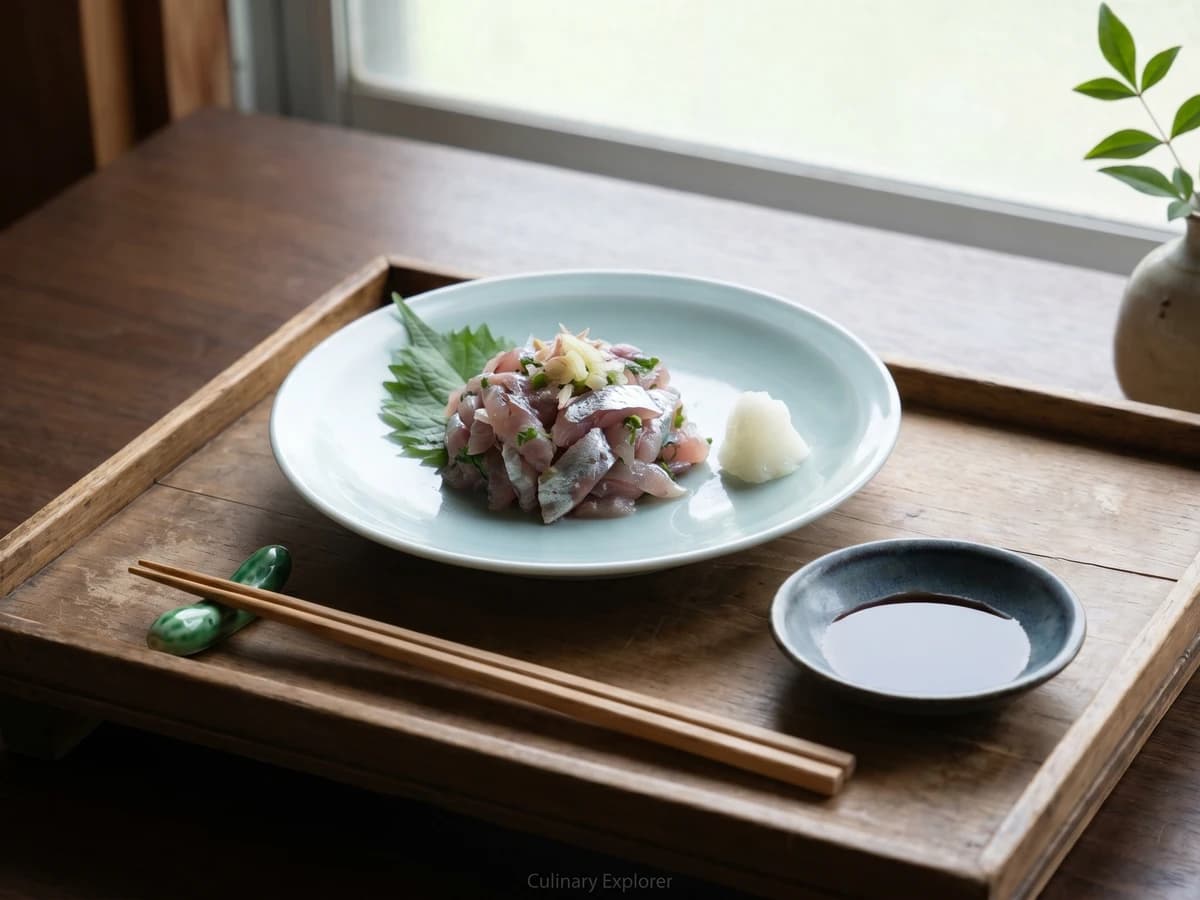
Summer horse mackerel, chopped just enough to catch ginger and scallion, becomes a cool, clean main dish with rice. The secret is fresh fish and a knife that does not bruise it.

Chef Takumi
Akashi-yaki is not sauced takoyaki. It is egg-rich batter, tender octopus, and clear dashi, cooked pale and soft so each ball can be dipped like a small custard dumpling.
Chef Takumi
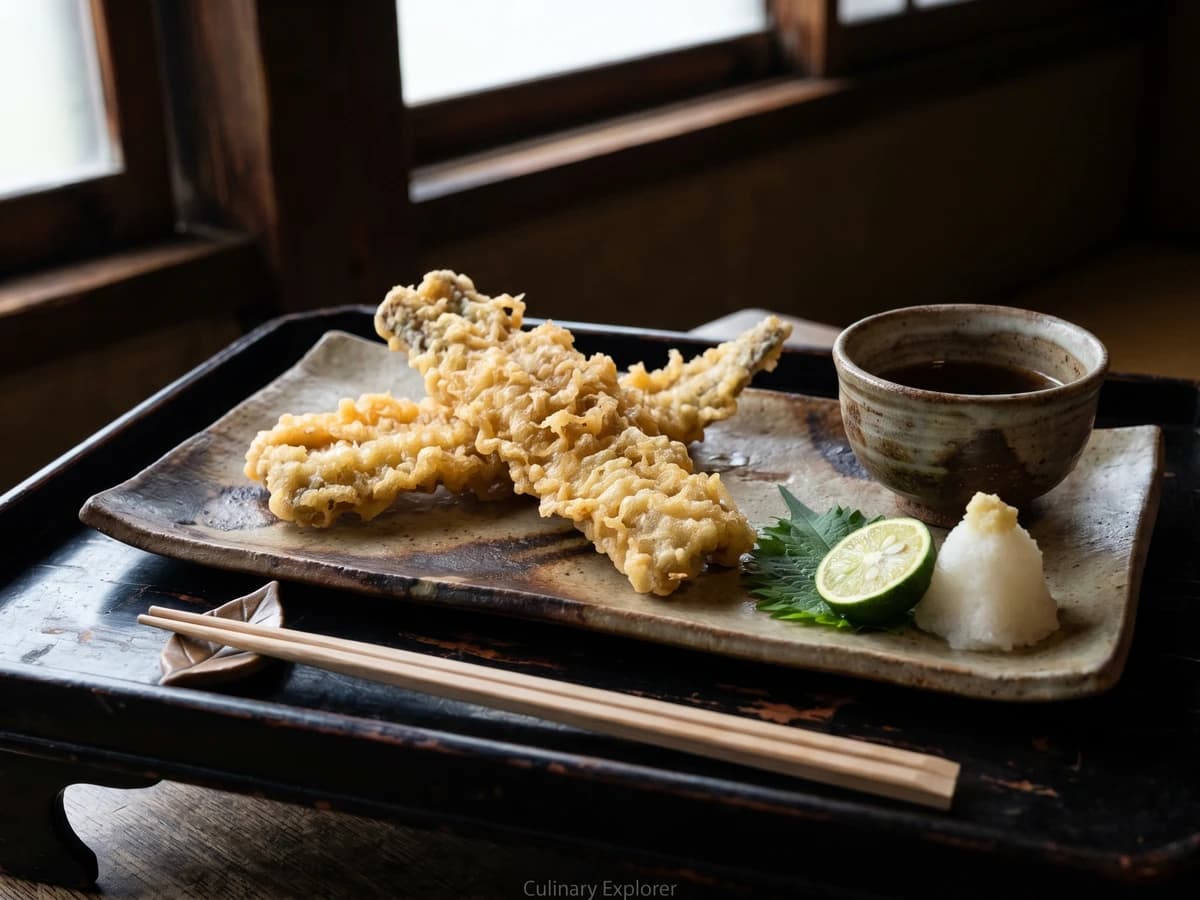
A whole anago looks like a test of nerve. It is mostly good sourcing, a dry skin, cold batter, and oil hot enough to leave the eel sweet under its lace.