Chef Lupita
Aceite de Chiltepin Bajacaliforniano
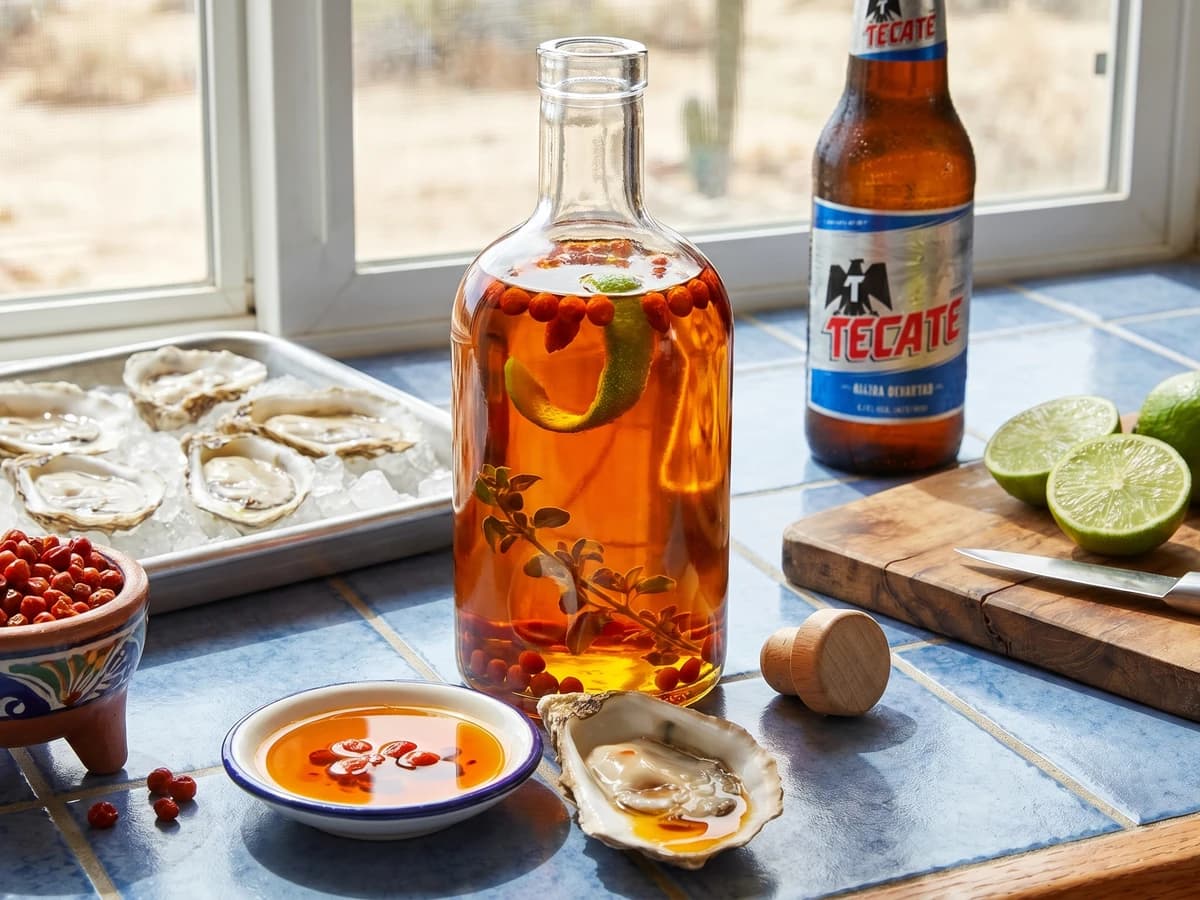
Baja California's wild chiltepin steeped in olive oil with garlic, orejon, and lime peel, until the oil turns ruby-amber and carries the slow, sneaky burn of the desert coast.
A cooking platform built around craft, culture, and the stories behind what we eat.

Created by
Michoacán's Meseta P'urhépecha table salsa, chile perón blistered on the comal, crushed rough with garlic, lime, and sal de grano in the molcajete, not beaten smooth.
Michoacán, the Meseta P'urhépecha and the Uruapan market belt, is where this salsa knows its own name. Chile perón grows in that highland air around Uruapan and Pátzcuaro, yellow-orange, thick-fleshed, floral, with black seeds that tell you immediately this is not serrano and not jalapeño. Ask the women at the market. They know which chile has the perfume and which one only has noise.
This salsa is martajada in the molcajete. Martajada means crushed rough, with skins visible, with small pieces of chile catching under your teeth. A blender can make a batch for a fonda, yes, but it changes the texture. The señoras who taught me this in Michoacán roasted the chile perón on a comal de leña, ground the garlic with sal de grano first, then worked the chile slowly into the stone. La cocina no es decoración, es trabajo.
There is no tomato here. No cilantro. No oil. The chile perón carries the salsa, and the lime only sharpens what is already there. Serve it in the molcajete or in black-burnished clay from Capula, beside tortillas and beans, and you understand why this is a 32-state cuisine. Saber cocinar es saber vivir.
Chile perón is the Michoacán name for a highland Capsicum pubescens chile, related to chile manzano and rocoto, identified by its thick flesh, yellow-orange skin, and black seeds. Around Uruapan, Pátzcuaro, and the Meseta P'urhépecha, roasting chiles on a comal and crushing them in a molcajete preserves a pre-Hispanic texture that electric blending does not reproduce. In 2010, UNESCO inscribed Traditional Mexican Cuisine, the Michoacán paradigm, as Intangible Cultural Heritage, recognizing an ancestral food system built on milpa ingredients, community knowledge, and continuous fire-based cooking.
Quantity
8 medium, about 10 ounces
yellow or orange, rinsed and dried
Quantity
2
unpeeled
Quantity
1 teaspoon, plus more to taste
Quantity
2 tablespoons, plus more to taste
Quantity
1 tablespoon
only if the salsa needs loosening
Quantity
for serving
| Ingredient | Quantity |
|---|---|
| fresh chile perónyellow or orange, rinsed and dried | 8 medium, about 10 ounces |
| garlic clovesunpeeled | 2 |
| sal de grano | 1 teaspoon, plus more to taste |
| fresh limón criollo or Mexican lime juice | 2 tablespoons, plus more to taste |
| warm water or chile roasting juices (optional)only if the salsa needs loosening | 1 tablespoon |
| warm corn tortillas, frijoles de olla, carnitas, corundas, or uchepos (optional) | for serving |
Use chile perón from Michoacán if you can find it: yellow or orange, thick-fleshed, taut-skinned, with black seeds. It should smell floral and green before it ever touches the comal. If the chiles are soft, wrinkled, or dull, leave them at the market. Si no conoces el mercado, no conoces la cocina.
Heat a dry comal over medium-high heat, over leña if you have it. Set the chile perón and unpeeled garlic on the hot surface. Turn the chiles often until the skins blister in dark patches and the flesh softens, 6 to 8 minutes. Roast the garlic until the papery skin chars and the cloves feel soft, about 8 to 10 minutes. Do not blacken the chiles all over. You want roasted fruit and chile oil, not bitterness.
Move the roasted chiles to a small bowl and cover them for 5 minutes so the skins relax. Pull off the stems. Rub away only the loose blackened flakes, but do not peel them clean. The blistered skin belongs in this salsa. For a firm heat, leave the black seeds and veins. For a table with mixed tolerance, remove half the seeds. Wear gloves if your hands are sensitive. No me vengas con atajos, but also do not burn your eyes because you were showing off.
Peel the roasted garlic and place it in the molcajete with the sal de grano. Grind with the tejolote until you have a sticky paste. The coarse salt does two jobs: it seasons and it tears the garlic into the stone. A smooth blender paste is not the goal here. The molcajete gives you texture and control.
Add the roasted chile perón one at a time. Pound, press, and drag the tejolote until the chile breaks into a coarse pulp with visible skins and some black seeds. Martajada means crushed, not pureed. If the salsa is too tight, add one tablespoon of warm water or the juices from the roasted chiles. Stop while it still has body. Así se hace y punto.
Stir in the limón criollo juice. Taste for salt, then taste again after one minute. The first hit should be floral heat from the chile perón, then garlic, then lime, then sal de grano at the back of the tongue. It should not taste watery, and it should not taste like raw garlic. Serve from the molcajete or spoon it into a small Capula black-burnished clay bowl for the table.
Set the salsa beside warm corn tortillas, frijoles de olla, carnitas, corundas, or uchepos. This is a table salsa from Michoacán, not a tomato salsa wearing another chile's name. Cada estado, su propia cocina.
1 serving (about 35g)
Culinary guides, cultural storytelling, and the editorial depth that makes cooking meaningful.
Discover Culinary ExplorerChef Lupita
Baja California's wild chiltepin steeped in olive oil with garlic, orejon, and lime peel, until the oil turns ruby-amber and carries the slow, sneaky burn of the desert coast.

Chef Lupita
Puebla's Lenten convent adobo, a brick-red vinegar chile paste of ancho, guajillo, garlic, oregano, and comino made to dress fish for the meatless calendar.
Chef Lupita
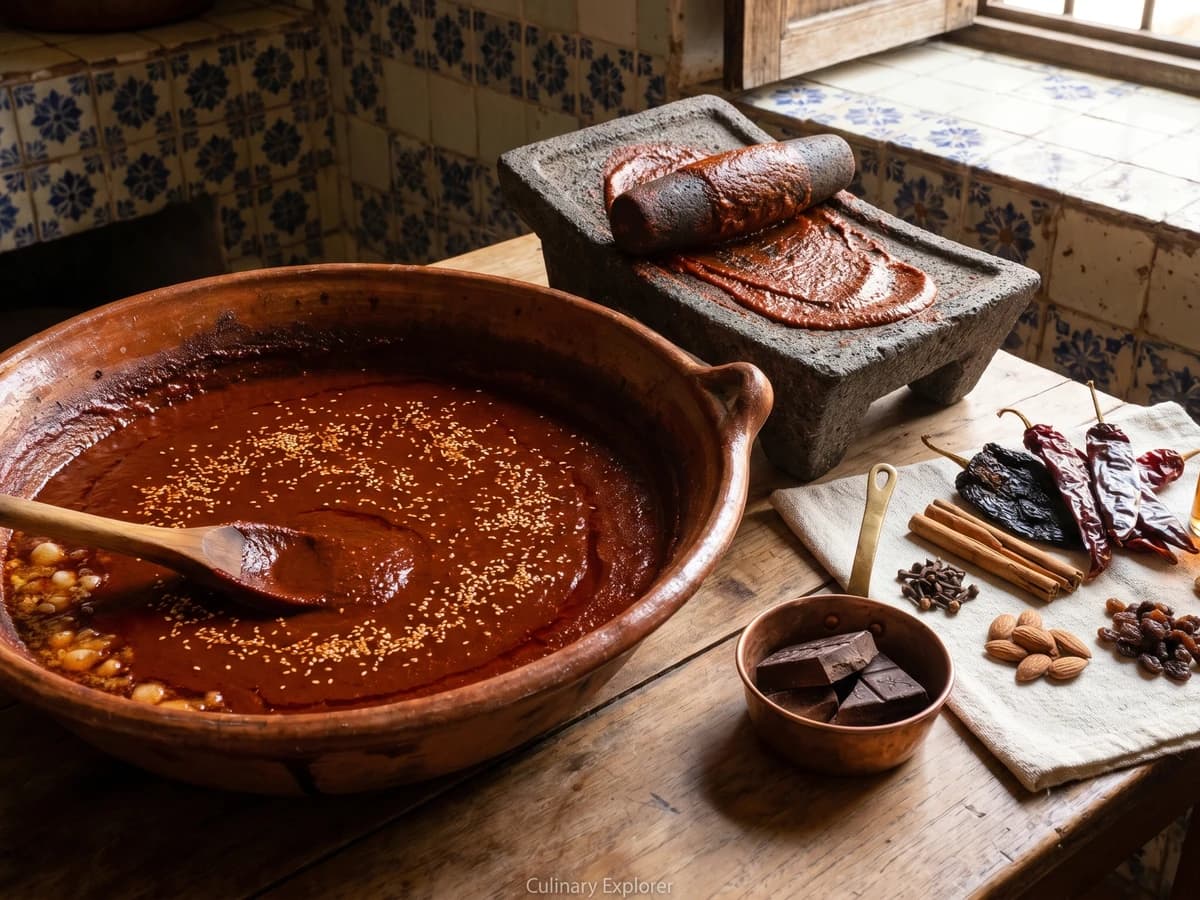
Zacatecas' wedding-table adobo, built from toasted guajillo and ancho, piloncillo, sour orange, chocolate, canela, clavo, almonds, sesame, and lard.

Chef Lupita
Puebla's convent kitchens built this adobo with ancho, guajillo, jerez, almonds, raisins, clove, and lard, a baroque marinade that stains pork loin and finishes as the sauce.