
Chef Dean
Classic Italian Focaccia
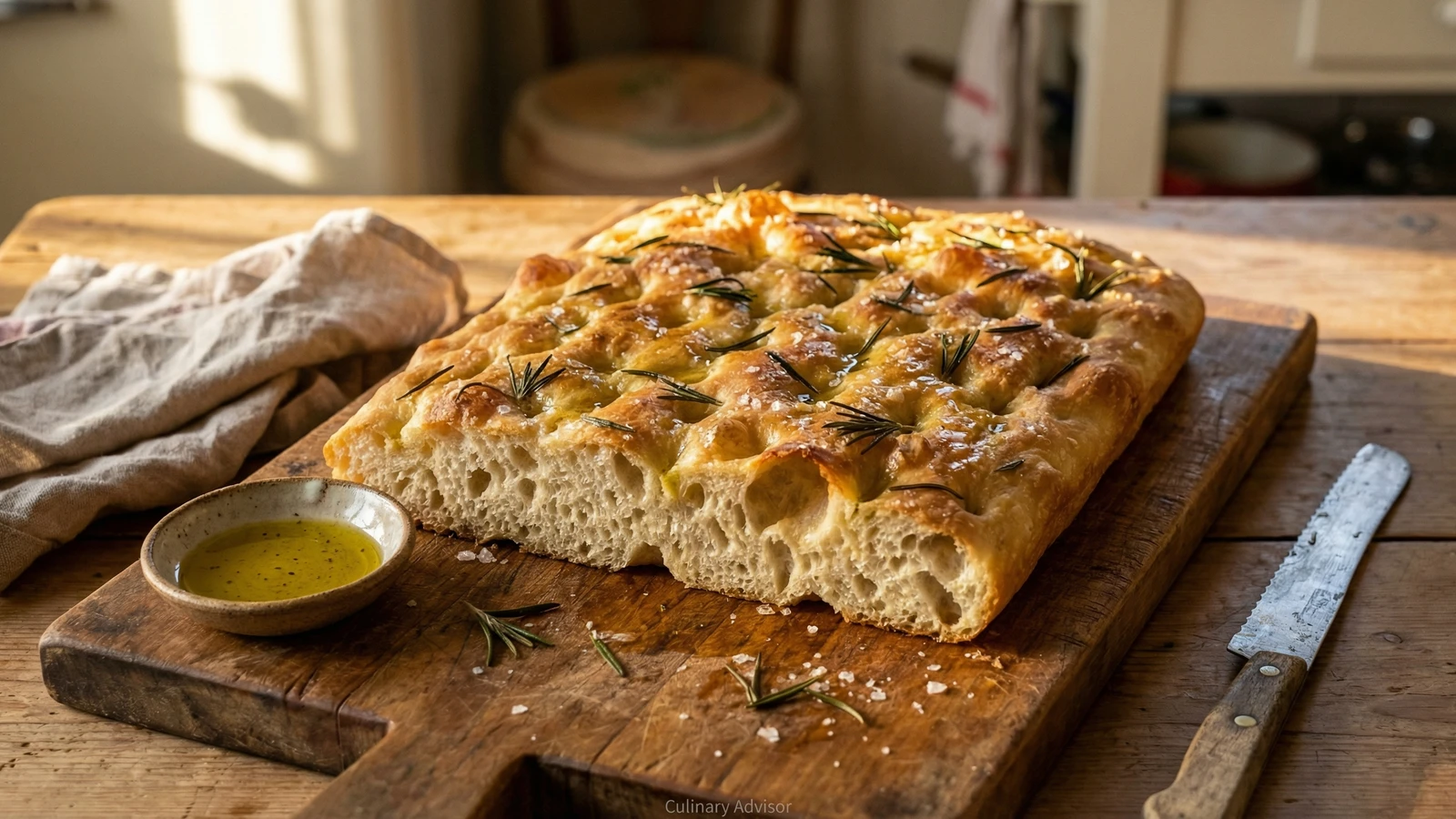
Golden-crusted Ligurian flatbread, generous with olive oil, dimpled by eager fingers, and scattered with rosemary and flaky salt. The bread that proves simplicity requires no apology.
A cooking platform built around craft, culture, and the stories behind what we eat.
Created by
Soft, dimpled Italian bread drenched in good olive oil, fragrant with garden rosemary and finished with flaky salt. A loaf that rewards patience and teaches you to trust the dough.
Start with the flour. Stone-ground from a mill you trust changes everything here. Industrial flour, stripped of its germ and bran, produces bread that tastes like nothing. Find flour that smells like wheat, that feels alive in your hands, and you are already halfway to something worth making.
Focaccia is forgiving bread. It asks only for time, warmth, and good olive oil. The technique is simple: mix, wait, stretch, wait again, then bake. No kneading. No fussing. The long rise develops flavor and structure while you do other things. The dimpling is the only real work, and even that is satisfying rather than difficult.
This is bread meant for sharing. Tear it at the table while the oil still glistens on the surface. Dip it into soup, drag it through sauce, or eat it plain with nothing but the rosemary and salt. Your choices shape the food system. Buy flour from someone who cares about grain. Find rosemary at the farmers market or grow it on your windowsill. Let things taste of what they are.
Quantity
500g (about 4 cups)
preferably stone-ground
Quantity
2 teaspoons
Quantity
2 1/4 teaspoons (one packet)
Quantity
2 cups
100-110°F
Quantity
1 tablespoon
Quantity
6 tablespoons, divided, plus more for finishing
Quantity
3-4 sprigs
leaves stripped
Quantity
1 teaspoon
| Ingredient | Quantity |
|---|---|
| bread flourpreferably stone-ground | 500g (about 4 cups) |
| fine sea salt | 2 teaspoons |
| active dry yeast | 2 1/4 teaspoons (one packet) |
| warm water100-110°F | 2 cups |
| honey | 1 tablespoon |
| extra-virgin olive oil | 6 tablespoons, divided, plus more for finishing |
| fresh rosemaryleaves stripped | 3-4 sprigs |
| flaky sea salt | 1 teaspoon |
Stir the honey into the warm water until dissolved. Sprinkle the yeast over the surface and let it sit for five minutes. The yeast should bloom, turning foamy and fragrant. If nothing happens, your water was too hot or your yeast is tired. Start again.
In a large bowl, whisk together the flour and fine sea salt. Pour the yeast mixture over the flour along with two tablespoons of olive oil. Stir with a wooden spoon until a shaggy, sticky dough forms and no dry flour remains. This dough is wetter than you expect. That is correct. The moisture creates those open, airy pockets.
Cover the bowl tightly with a damp kitchen towel or plastic wrap. Set it somewhere warm and draft-free. Let the dough rise until doubled, about one and a half to two hours. The timing depends on your kitchen. A warm spot near a sunny window works well. Watch the dough, not the clock.
Pour three tablespoons of olive oil into a 9x13 inch baking pan or a 12-inch round cake pan. Tilt to coat the bottom and sides generously. The oil is not just for preventing sticking. It fries the bottom of the focaccia, creating those golden, crisp edges.
Scrape the risen dough into the oiled pan. Oil your hands and gently stretch the dough toward the edges. It will resist and spring back. That is the gluten talking. Let it rest for ten minutes, then stretch again. Repeat until the dough fills the pan without fighting you.
Cover the pan loosely and let the dough rise again until puffy and nearly doubled, about 45 minutes to an hour. The dough should jiggle when you shake the pan gently. Preheat your oven to 425°F during the last twenty minutes of this rise.
Drizzle the remaining tablespoon of olive oil over the dough. Oil your fingertips and press them firmly into the dough, all the way to the bottom of the pan, creating deep dimples across the entire surface. These wells collect oil and crisp beautifully. Scatter the rosemary leaves into the dimples and across the top. Sprinkle the flaky salt over everything.
Bake for 22 to 28 minutes until the top is deeply golden and the edges are darker still, pulling away slightly from the pan. The focaccia should sound hollow when you tap the center. Remove from the oven and immediately drizzle with another generous glug of olive oil while still hot.
Let the focaccia cool in the pan for five minutes, then use a spatula to slide it onto a wire rack or wooden board. Cut into squares or tear into pieces. Focaccia is best the day it is made, still slightly warm, torn and shared at the table.
1 serving (about 80g)
Culinary guides, cultural storytelling, and the editorial depth that makes cooking meaningful.
Discover Culinary ExplorerChef Dean
Golden-crusted Ligurian flatbread, generous with olive oil, dimpled by eager fingers, and scattered with rosemary and flaky salt. The bread that proves simplicity requires no apology.

Chef Dean
Supple, high-hydration dough stretched thin and kissed by live fire, producing the leopard-spotted char and smoky complexity that no kitchen oven can replicate. This is summer pizza.
Chef Dean
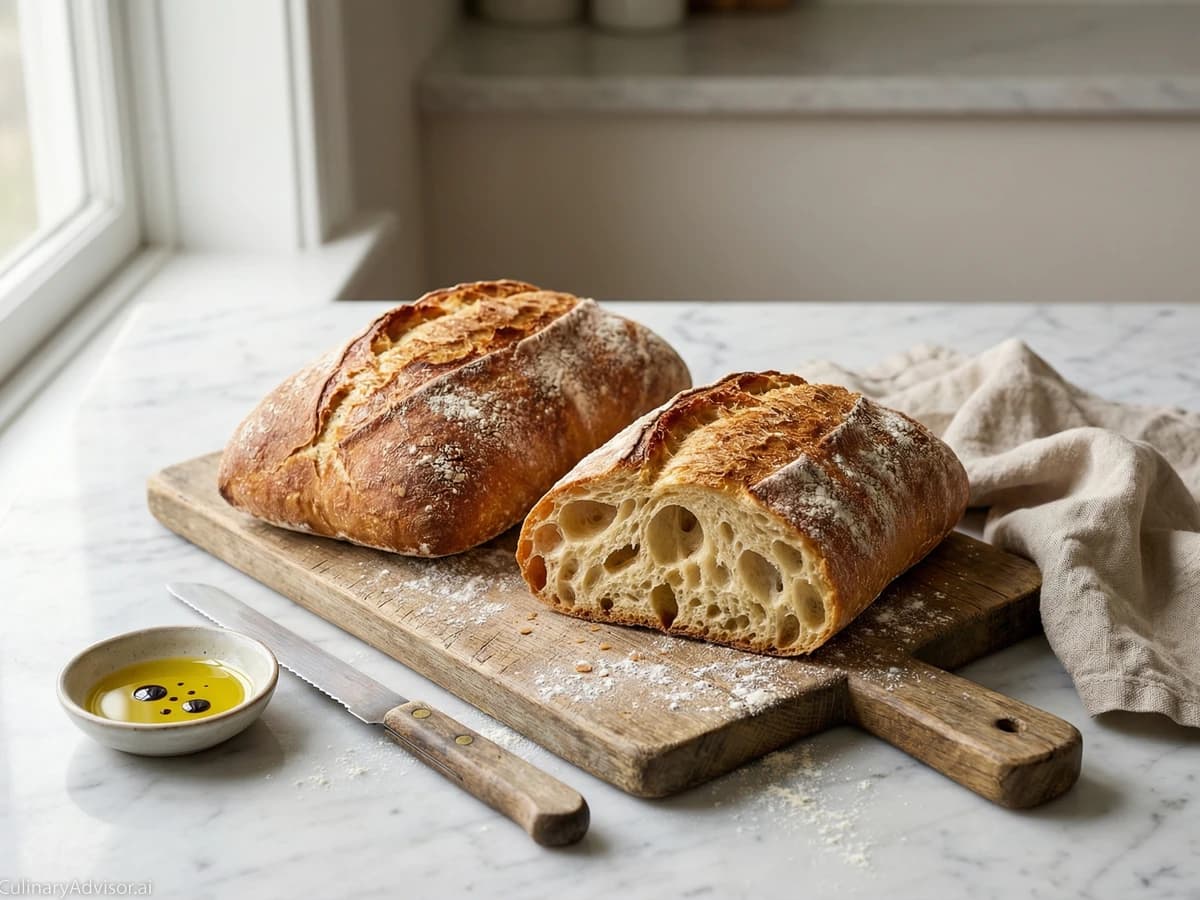
The iconic Italian slipper bread with a shattering golden crust and an interior so open and airy you could lose your car keys in there. High-hydration dough rewards patience with results no bakery can match.
Chef Dean
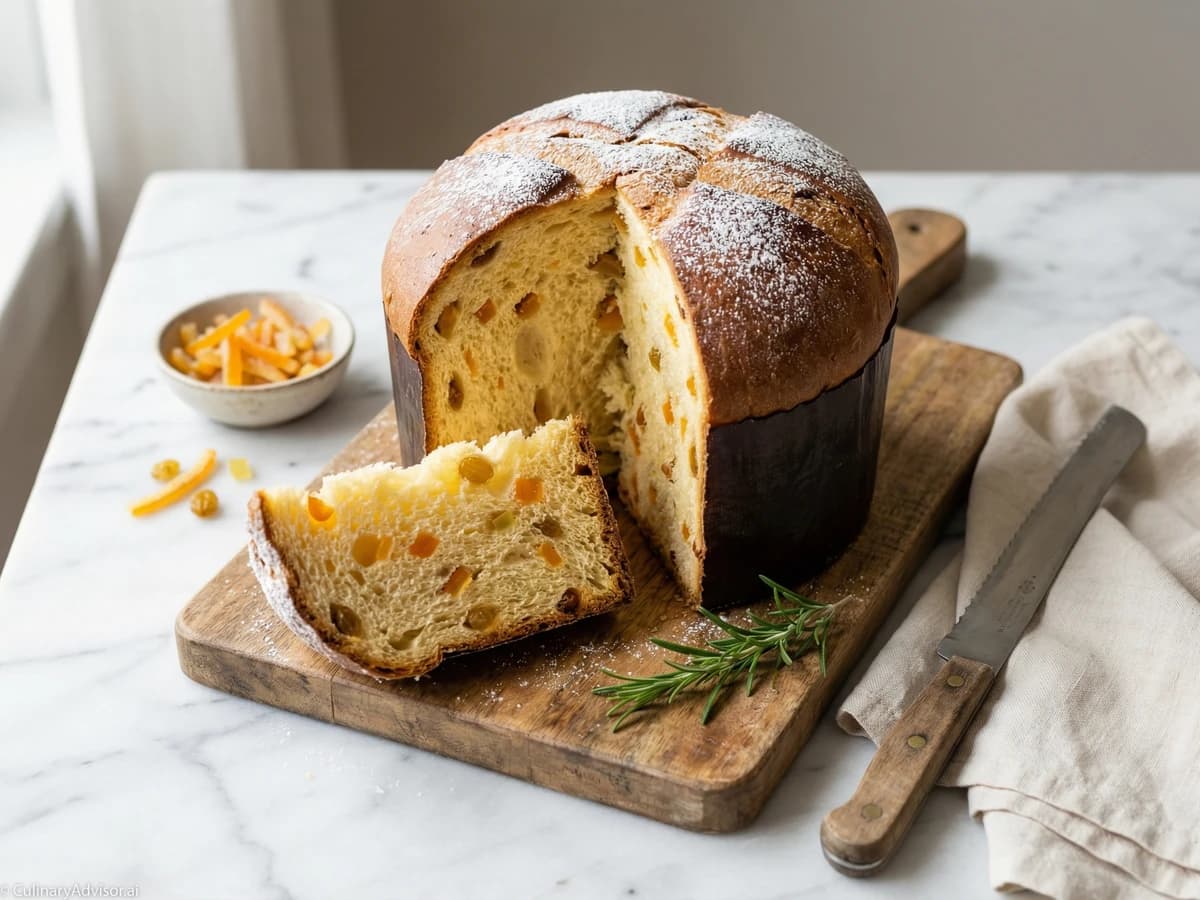
The legendary Milanese Christmas bread with its golden dome, butter-rich crumb, and jeweled interior of candied citrus and plump raisins. Patient fermentation rewards you with texture like sweet clouds pulled apart by eager hands.