
Chef Graziella
Agnolotti del Plin
The pinched pasta of Piedmont, each tiny parcel sealed with thumb and forefinger, filled with braised meat that has surrendered to hours of slow cooking. Butter or broth. Nothing more.
A cooking platform built around craft, culture, and the stories behind what we eat.

Created by
The aristocratic risotto of the Langhe, where Nebbiolo grapes become Barolo and Barolo becomes this extraordinary dish. Deep garnet, velvety, and worth every drop of wine that goes into it.
This is not a risotto for Tuesday night. This is a risotto for occasions that demand something extraordinary, when you open a bottle of one of Italy's greatest wines and give half of it to the pot. The Piemontese understand that what you put into a dish determines what you get out of it.
Barolo is made from Nebbiolo grapes grown in the hills of the Langhe, where the fog settles into the valleys each autumn and the wine develops a complexity that defies easy description. When you cook with it, those tannins soften, the fruit concentrates, and the rice absorbs a flavor that no other wine can provide. The color alone tells you this is something different: deep garnet, almost purple, the color of wine country at dusk.
Do not attempt this with cheap wine. The Piemontese say you should never cook with wine you would not drink, and they are correct. A young Barolo works well here because the tannins mellow during cooking, but it must be genuine Barolo. Substitutions defeat the purpose entirely. If you cannot afford to pour good wine into the pot, make a different risotto and save this one for when you can.
Risotto al Barolo emerged from the prosperous farmhouses of the Langhe in Piedmont, where winemaking families had access to their own Nebbiolo wines and the Carnaroli rice grown in the plains to the east. The dish became a celebration of regional abundance: the wine of the hills meeting the rice of the lowlands, a marriage that could only happen in this corner of Italy.
Quantity
6 cups
preferably homemade
Quantity
4 tablespoons
divided
Quantity
1 medium
minced fine
Quantity
1 1/2 cups
Quantity
1 1/2 cups
Quantity
3/4 cup
freshly grated, plus more for serving
Quantity
to taste
| Ingredient | Quantity |
|---|---|
| beef or veal brothpreferably homemade | 6 cups |
| unsalted butterdivided | 4 tablespoons |
| shallotminced fine | 1 medium |
| Carnaroli or Arborio rice | 1 1/2 cups |
| Barolo wine | 1 1/2 cups |
| Parmigiano-Reggianofreshly grated, plus more for serving | 3/4 cup |
| kosher salt | to taste |
Pour the broth into a saucepan and bring it to a gentle simmer over medium heat. Reduce the heat to low and keep the broth hot throughout the cooking process. Cold broth added to hot rice stops the cooking and produces gummy risotto. This is non-negotiable.
In a heavy-bottomed pot or deep sauté pan, melt 2 tablespoons of the butter over medium heat. Add the minced shallot and cook slowly, stirring occasionally, until completely soft and translucent, about 5 minutes. The shallot should have no color whatsoever. You want sweetness, not caramelization.
Add the rice to the shallot and stir it thoroughly for 2 minutes. Every grain must be coated with butter. You will see the rice become translucent at the edges while the center remains opaque. Listen: you should hear a faint crackling sound. This toasting creates the foundation for proper risotto texture.
Pour in the Barolo all at once. The wine will sizzle and steam dramatically. Stir constantly as the rice absorbs the wine, watching as the grains take on that magnificent garnet color. Continue stirring until the wine is nearly absorbed and you can draw a clear path across the bottom of the pan. This takes 3 to 4 minutes.
Begin adding the hot broth one ladleful at a time, stirring frequently. Wait until each addition is nearly absorbed before adding the next. The rice should always be moist but never swimming. Adjust the heat to maintain a gentle simmer: too high and the outside of the grain cooks before the inside; too low and the starch does not release properly. This process takes approximately 18 minutes. There are no shortcuts.
Remove the pot from the heat. Add the remaining 2 tablespoons of butter, cut into pieces, and the grated Parmigiano-Reggiano. Stir vigorously for one full minute. This is the mantecatura, the step that transforms risotto from rice in broth to something creamy and unified. The risotto should flow like a wave when you shake the pot. Taste for salt and adjust.
Spoon the risotto onto warmed plates, spreading it to the edges so it flows naturally. The surface should ripple when you tilt the plate. Serve at once, passing additional Parmigiano-Reggiano at the table. Once the risotto is plated, invite your guests and family to put off talking and start eating. Risotto waits for no one.
1 serving (about 250g)
Culinary guides, cultural storytelling, and the editorial depth that makes cooking meaningful.
Discover Culinary ExplorerChef Graziella
The pinched pasta of Piedmont, each tiny parcel sealed with thumb and forefinger, filled with braised meat that has surrendered to hours of slow cooking. Butter or broth. Nothing more.

Chef Graziella
The tiny pinched parcels of Piedmont, filled with braised meat and sealed with a gesture that has passed from grandmother to granddaughter for centuries. The pinch is both technique and signature.
Chef Graziella
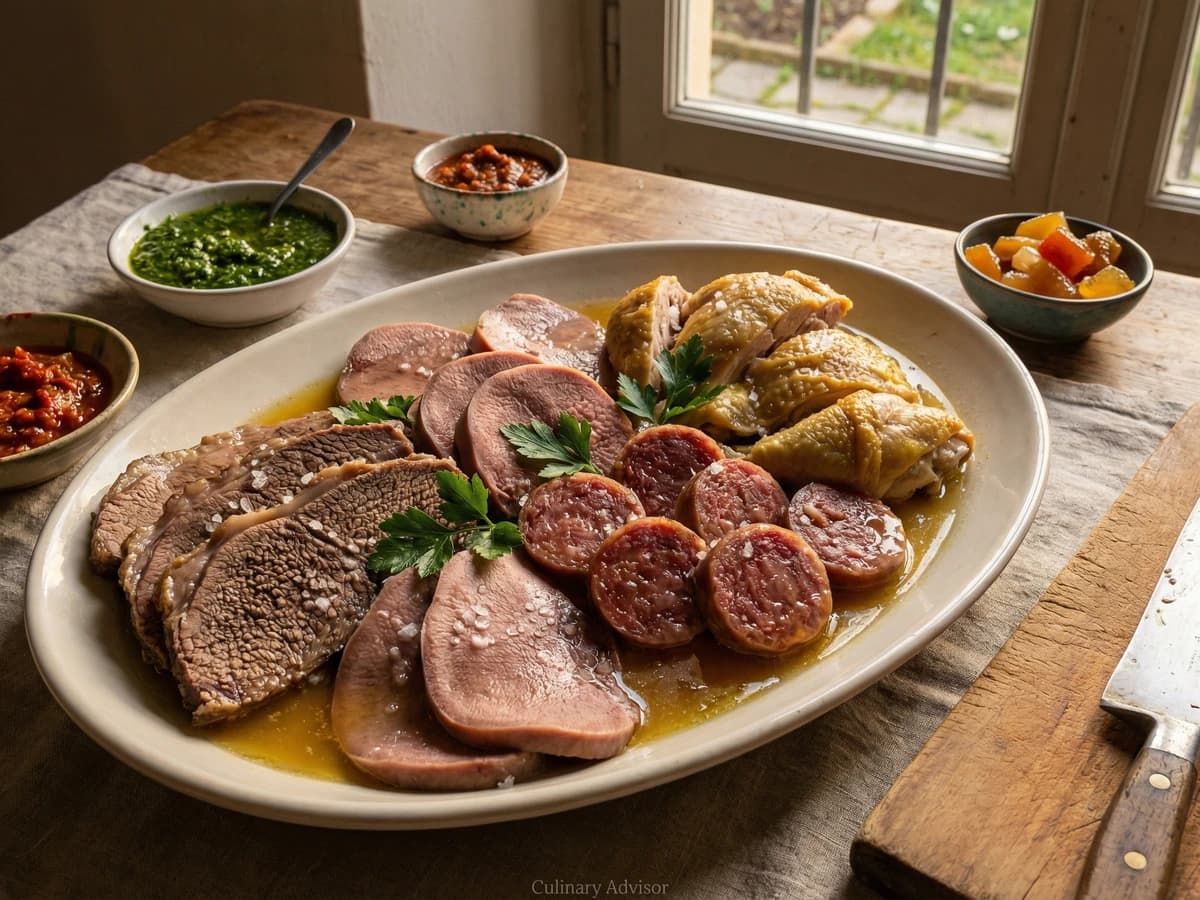
The grand boiled dinner of Piedmont, where seven cuts of meat surrender slowly to the poaching liquid, emerging tender enough to cut with a fork. This is a dish for the table you set when everyone comes home.

Chef Graziella
Piedmont's great celebration braise, where beef surrenders to a full bottle of Barolo over 24 hours of marinating and 4 hours of gentle heat. The wine of kings becomes the sauce itself.