Culinary Explorer
A cooking platform built around craft, culture, and the stories behind what we eat.
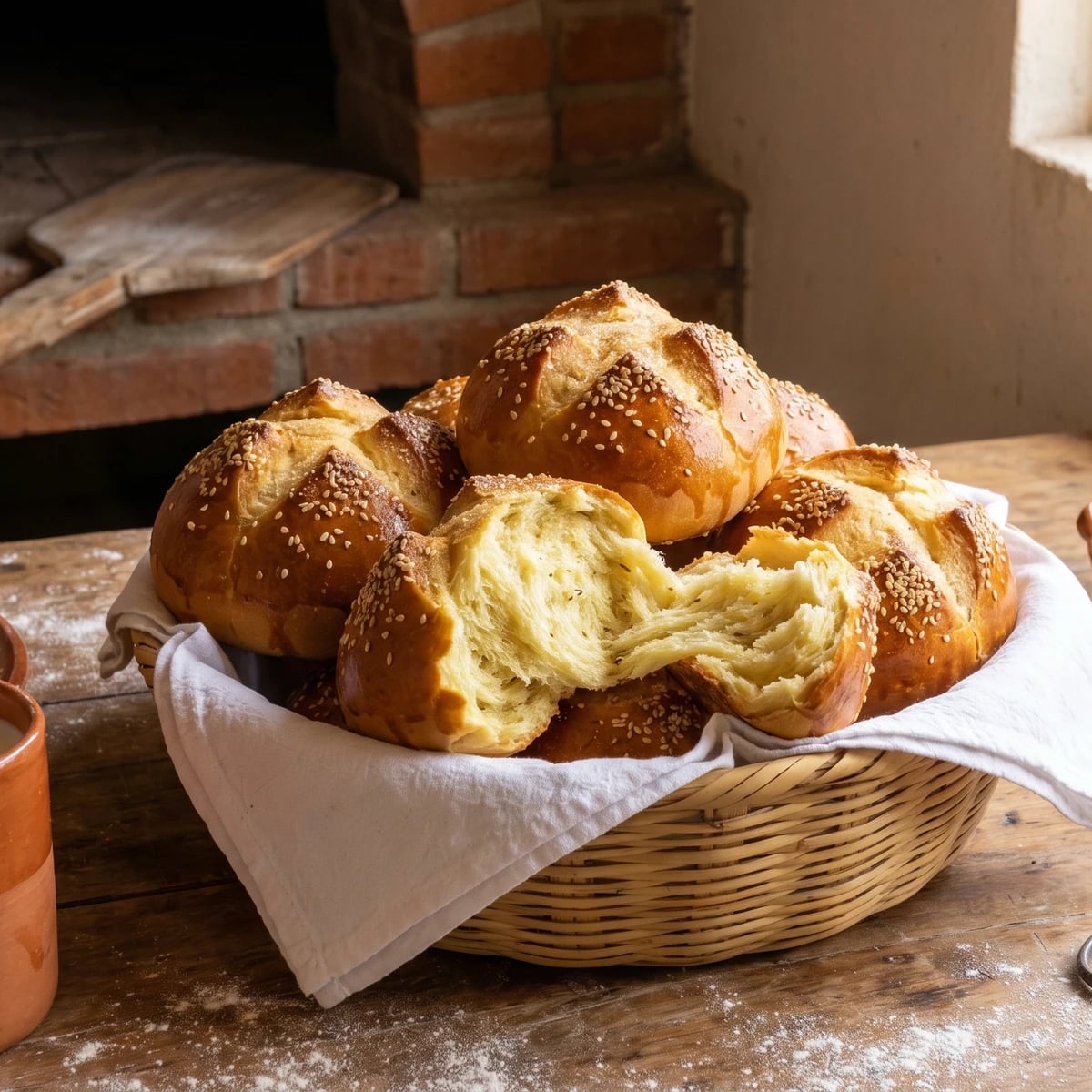
Picón de Poncitlán Jalisciense
Created by Chef Lupita
Jalisco's western pan dulce from Poncitlán, built with harina de trigo, egg, anise, manteca de cerdo, and the Guadalajara pata that gives the crumb its old panadería character.
Jalisco, the Ribera de Chapala, Poncitlán. That is where this bread stands. Picón is not a concha with a different hat. It is a big western pan dulce, egg-rich, lightly scented with anise, snipped with scissors into three peaks before it goes into the oven.
In Guadalajara and the towns around Lake Chapala, the old panaderos work with pata, the fermented dough that gives birote its backbone and gives sweet breads like this one more depth than straight commercial yeast. Birote is a sourdough, not a bolillo. Picón is its sweeter cousin, not the same bread, but the family resemblance is there in the ferment and the chew.
My mother, being jalisciense, knew this bread as something you dunked in hot milk or café de olla, not something you decorated for a bakery window. The dough takes harina de trigo, eggs, sugar, anise, and manteca de cerdo. If you want a pale, cottony bun, use shortening. If you want picón with memory, use manteca. La manteca es el sabor.
The peaks matter. You cut them with scissors after the final proof, three clean snips that open in the heat and make the crown. A home cook in Poncitlán would recognize that shape before tasting the crumb. Cada estado, su propia cocina.
Ingredients
active masa madre de trigo or Guadalajara-style pata
Quantity
150 grams
harina de trigo de fuerza
Quantity
500 grams
plus more for dusting
granulated sugar
Quantity
120 grams
| Ingredient | Quantity |
|---|---|
| active masa madre de trigo or Guadalajara-style pata | 150 grams |
| harina de trigo de fuerzaplus more for dusting | 500 grams |
| granulated sugar | 120 grams |
Where cooking meets culture.
Culinary guides, cultural storytelling, and the editorial depth that makes cooking meaningful.
Discover Culinary Explorer