Chef Margarida
Caracóis à Portuguesa
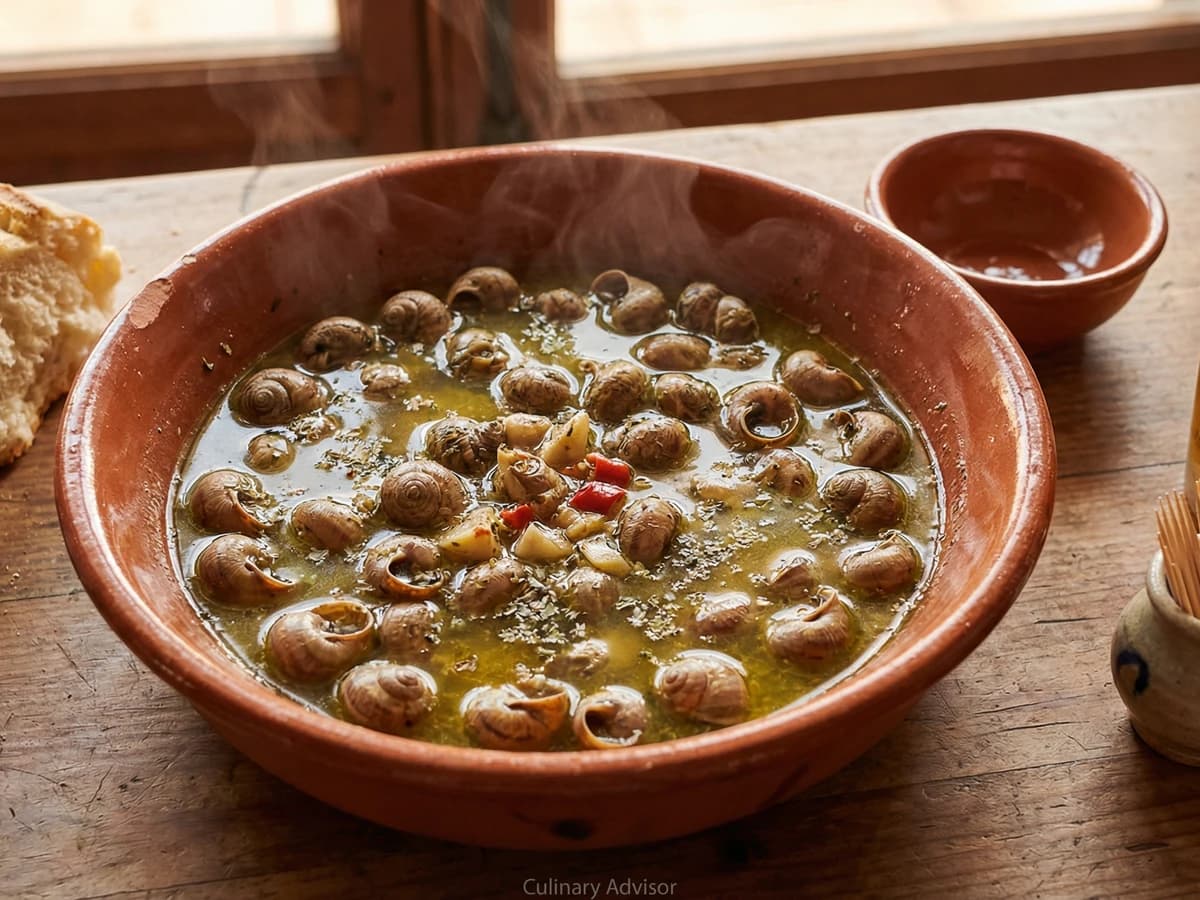
Há caracóis! The signs appear in May and all of Lisbon knows summer has arrived. Tiny snails in spiced broth, sucked from shells at plastic tables, washed down with imperial after imperial.
A cooking platform built around craft, culture, and the stories behind what we eat.

Created by
The spread that greets you at every Portuguese table before the meal even begins, proof that the simplest things done right need no improvement. Conservas, queijo creme, bread. That's it.
Before the menu arrives, before you've even looked around the room, there it is. A little ceramic dish of patê de atum, a basket of bread, a bowl of olives. This is the ritual. This is how we begin.
Avó Leonor always kept tins of atum in her pantry. Not fancy ones, just good Portuguese conservas from Matosinhos or Setúbal. She'd open one on a Saturday afternoon, mash it with queijo creme right in the tin, spread it on yesterday's bread, and call it a snack. Nothing precious about it. Nothing complicated. Just something good to eat while the real cooking happened.
I serve this at every Mesa da Avó dinner. People arrive, they're nervous, they don't know each other yet. Then the bread comes out, the patê, the olives. Hands reach across the table. Strangers become friends over something this simple. A cozinha é memória, but sometimes the kitchen is also connection.
Portuguese canned fish is not a compromise. It's an art form. Our conservas industry has been perfecting this since the 1800s. The tuna is cooked once, in the tin, in good olive oil. It's already perfect. Your job is just not to ruin it.
Portugal's conservas industry began in the early 19th century, transforming coastal towns like Matosinhos, Setúbal, and Olhão into centers of canned fish production. Portuguese canning became renowned for quality: fish cooked directly in the tin with olive oil, preserving flavor and texture. Patê de atum emerged as a way to stretch these prized conservas into a shareable spread, becoming the unofficial welcome dish of Portuguese tascas.
Quantity
2 tins (240g total)
Quantity
100g
softened
Quantity
2 tablespoons
Quantity
2 tablespoons
finely minced
Quantity
1 small clove
minced or grated
Quantity
1 tablespoon
Quantity
1 tablespoon
Quantity
pinch
Quantity
freshly ground, to taste
Quantity
for garnish
finely chopped
| Ingredient | Quantity |
|---|---|
| Portuguese tuna in olive oil | 2 tins (240g total) |
| cream cheese (queijo creme)softened | 100g |
| mayonnaise | 2 tablespoons |
| onionfinely minced | 2 tablespoons |
| garlicminced or grated | 1 small clove |
| lemon juice | 1 tablespoon |
| reserved tuna oil | 1 tablespoon |
| sea salt | pinch |
| black pepper | freshly ground, to taste |
| fresh parsley (optional)finely chopped | for garnish |
Open the tuna tins and drain the oil into a small bowl. Reserve about a tablespoon of this oil. It's liquid gold, don't throw it away. The oil carries flavor you can't replicate.
In a medium bowl, add the drained tuna, softened cream cheese, and mayonnaise. Mash together with a fork, breaking up the tuna into fine flakes. Some people use a food processor. Avó Leonor used a fork. I use a fork. The texture should be spreadable but not baby food. You want to know you're eating tuna.
Add the minced onion, garlic, lemon juice, and reserved tuna oil. Mix well. Season with salt and pepper. Taste it. Does it need more lemon? More salt? Trust your tongue. The balance should be creamy, slightly tangy, with the tuna still the star.
Cover and refrigerate for at least 15 minutes. This lets the flavors come together and firms the texture slightly. It can sit in the fridge for up to three days, but it rarely lasts that long.
Transfer to a small ceramic bowl or serve straight from its container. Scatter parsley on top if you like, or don't. Drizzle with a little extra olive oil. Set it on the table with good crusty bread or tostas, a bowl of olives, and let people help themselves. This is how the meal begins.
1 serving (about 70g)
Culinary guides, cultural storytelling, and the editorial depth that makes cooking meaningful.
Discover Culinary ExplorerChef Margarida
Há caracóis! The signs appear in May and all of Lisbon knows summer has arrived. Tiny snails in spiced broth, sucked from shells at plastic tables, washed down with imperial after imperial.
Chef Margarida
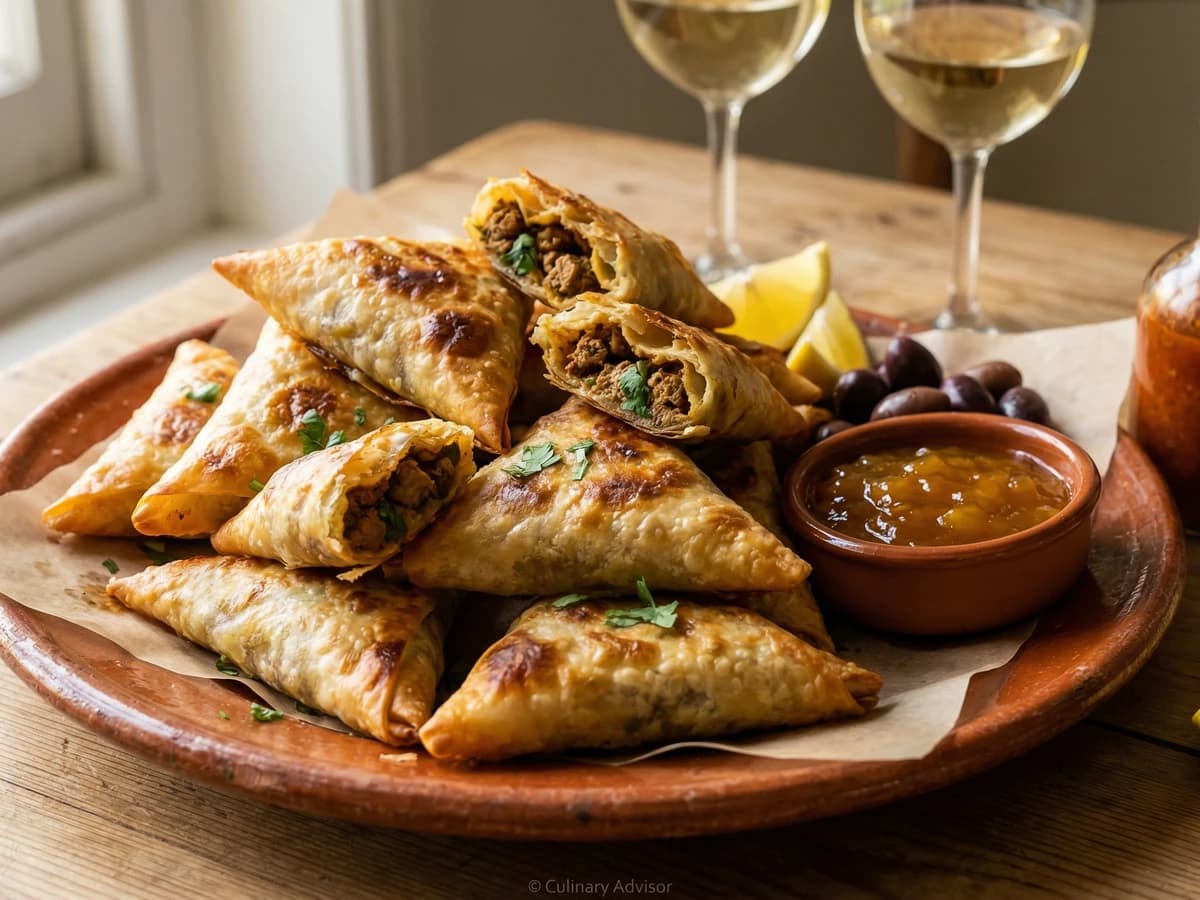
Crispy triangles of spiced meat wrapped in golden pastry, carrying the flavors of Goa across the ocean to every Portuguese tasca and family gathering. Colonial history you can eat.
Chef Margarida
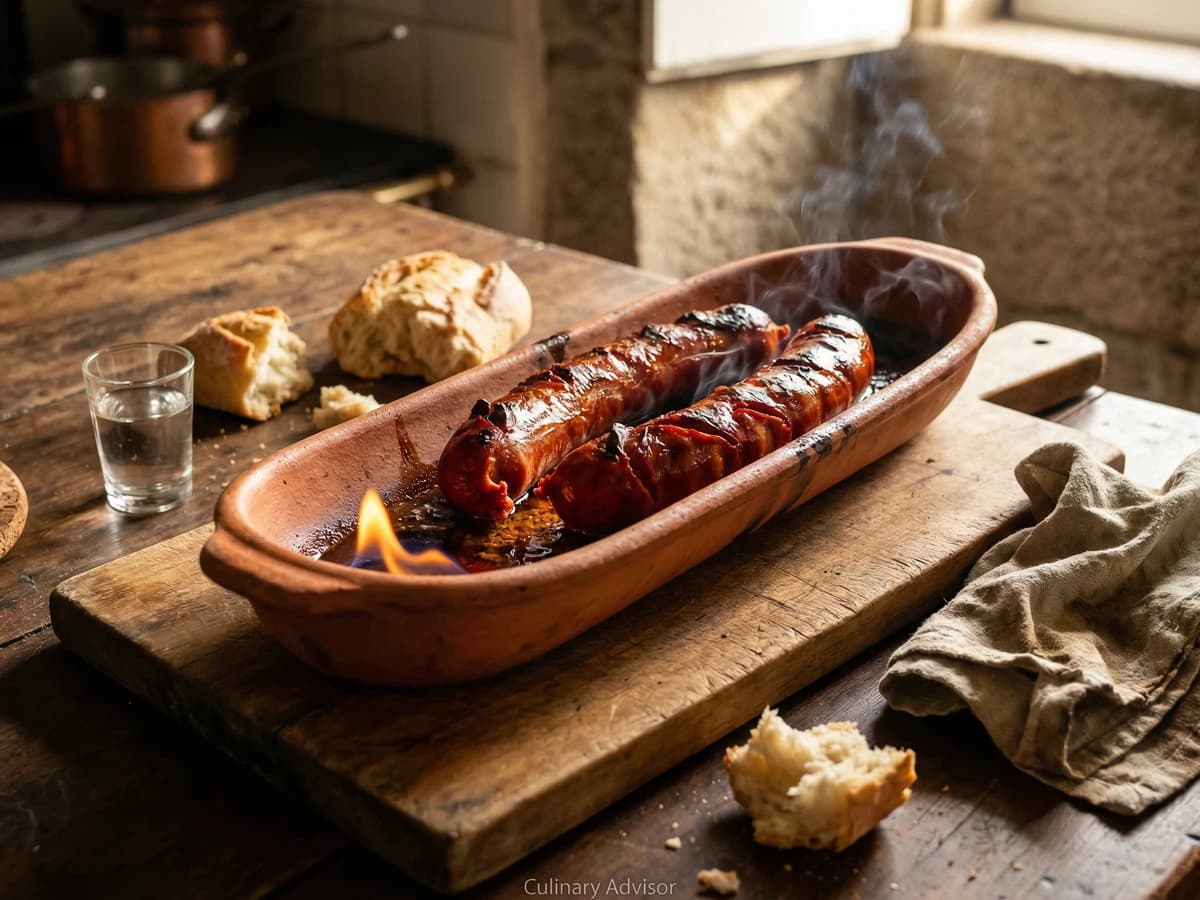
The theater of the tasca: chouriço set ablaze in its clay vessel, aguardente flames dancing blue and orange until the casing splits and the smoky fat runs. This is how we gather.
Chef Margarida
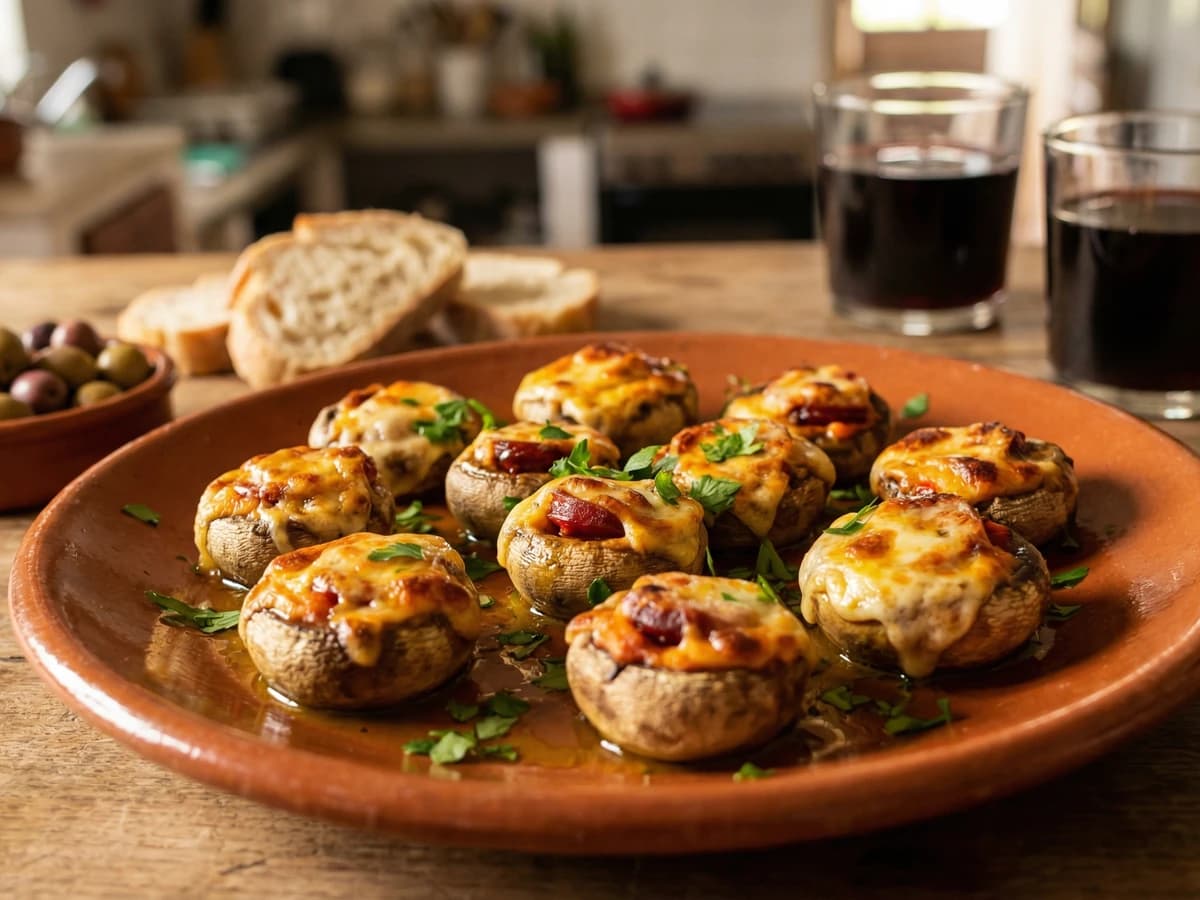
Mushrooms stuffed with chouriço and baked until the cheese bubbles and browns, the kind of petisco that disappears from the table before you've finished pouring the wine. Tasca food for your home.