
Chef Graziella
Friarielli alla Napoletana
The bitter greens of Naples, sautéed with garlic and dried chili until the edges char and the stems surrender. Four ingredients. Absolute honesty.
A cooking platform built around craft, culture, and the stories behind what we eat.

Created by
The original eggplant parmesan of Naples: fried eggplant layered with tomato sauce, fresh mozzarella, and basil. A vegetable side dish meant to accompany, not to dominate the plate.
What Americans call eggplant parmesan bears little resemblance to the original. The American version is a main course, breaded slabs of eggplant buried under a blanket of melted cheese, drowning in sauce. The Neapolitan parmigiana is something else entirely: a vegetable dish, restrained and elegant, meant to accompany a meal rather than overwhelm it.
The eggplant must be salted properly. This is not a suggestion. Unsalted eggplant is bitter and absorbs oil like a sponge. One hour of salting draws out the dark, acrid liquid and transforms the texture. Two hours is better. Those who skip this step and complain that their parmigiana tastes wrong have only themselves to blame.
The frying is traditional and essential. The slices should emerge golden and tender, with a slight resistance at the edge. Those who wish to bake instead of fry may do so, but they should know what they are sacrificing. Simple does not mean easy. Every step in this recipe exists for a reason, and shortcuts announce themselves in the final dish.
The name parmigiana likely derives not from the city of Parma but from 'palmigiana,' the Sicilian word for the overlapping wooden slats of a shutter, which the layered eggplant resembles. The dish appears in Neapolitan cookbooks by the late 18th century, though Sicily also claims it. What is certain: it was always a vegetable side dish, never the cheese-smothered main course that Italian-American restaurants invented.
Quantity
3 pounds (about 3 medium)
Quantity
for salting eggplant
Quantity
about 2 cups
for frying
Quantity
1 can (28 ounces)
whole peeled
Quantity
1/4 cup
Quantity
2
peeled and lightly crushed
Quantity
8, plus more for layering
Quantity
1 pound
sliced thin
Quantity
1 cup
freshly grated
Quantity
to taste
freshly ground
| Ingredient | Quantity |
|---|---|
| Italian globe eggplant | 3 pounds (about 3 medium) |
| kosher salt | for salting eggplant |
| vegetable oilfor frying | about 2 cups |
| San Marzano tomatoeswhole peeled | 1 can (28 ounces) |
| extra virgin olive oil | 1/4 cup |
| garlic clovespeeled and lightly crushed | 2 |
| fresh basil leaves | 8, plus more for layering |
| fresh mozzarellasliced thin | 1 pound |
| Parmigiano-Reggianofreshly grated | 1 cup |
| black pepperfreshly ground | to taste |
Slice the eggplant lengthwise into rounds about one-third inch thick. Layer the slices in a colander, salting generously between each layer. Set the colander over a bowl or in the sink and let the eggplant drain for at least one hour. The salt draws out moisture and bitterness. You will see dark liquid pooling beneath. This step is not optional.
While the eggplant drains, make the sauce. Pour the tomatoes into a bowl and crush them by hand. In a saucepan, warm the olive oil over medium heat. Add the crushed garlic and cook until it colors lightly, about two minutes. Watch it carefully. The moment it turns gold, add the crushed tomatoes and the basil leaves. Simmer gently for 25 minutes, stirring occasionally. Season with salt. Remove and discard the garlic and basil. The sauce should be thick enough to coat a spoon.
When the eggplant has drained, rinse the slices briefly under cold water to remove excess salt. Pat each slice thoroughly dry with clean kitchen towels. Press firmly. Any moisture remaining will cause the oil to spatter and prevent proper browning. The slices should feel nearly dry to the touch.
Pour vegetable oil into a large heavy skillet to a depth of half an inch. Heat over medium-high heat until a small piece of eggplant sizzles immediately when dropped in. Fry the eggplant slices in batches, without crowding, until golden brown on both sides, about two minutes per side. Transfer to a baking sheet lined with paper towels to drain. The slices should be tender when pierced but not limp.
Heat your oven to 375°F. Spread a thin layer of tomato sauce on the bottom of a 9-by-13-inch baking dish. Arrange a layer of fried eggplant slices over the sauce, overlapping slightly. Spoon more sauce over the eggplant, then scatter slices of mozzarella on top. Sprinkle with Parmigiano-Reggiano and tuck a few basil leaves between the layers. Repeat the layers until all eggplant is used, ending with sauce, mozzarella, and a generous shower of Parmigiano. You should have three or four layers.
Bake uncovered until the top is golden and the sauce bubbles around the edges, 35 to 40 minutes. The cheese should be melted and beginning to brown in spots. If the top browns too quickly, cover loosely with foil for the final minutes.
This is critical: let the parmigiana rest for at least 20 minutes before cutting. The layers need time to set. If you cut it immediately, it will collapse into a molten heap. It can rest for an hour or more. In Naples, it is often served at room temperature, which allows the flavors to settle and the texture to firm. This is a contorno, a vegetable side dish. Serve it alongside roasted meat or fish, not as a main course drowning in extra cheese.
1 serving (about 240g)
Culinary guides, cultural storytelling, and the editorial depth that makes cooking meaningful.
Discover Culinary ExplorerChef Graziella
The bitter greens of Naples, sautéed with garlic and dried chili until the edges char and the stems surrender. Four ingredients. Absolute honesty.

Chef Graziella
Fried zucchini dressed with vinegar and torn mint, a Neapolitan preparation that proves frying need not be heavy when acid provides the counterpoint.
Chef Juliette
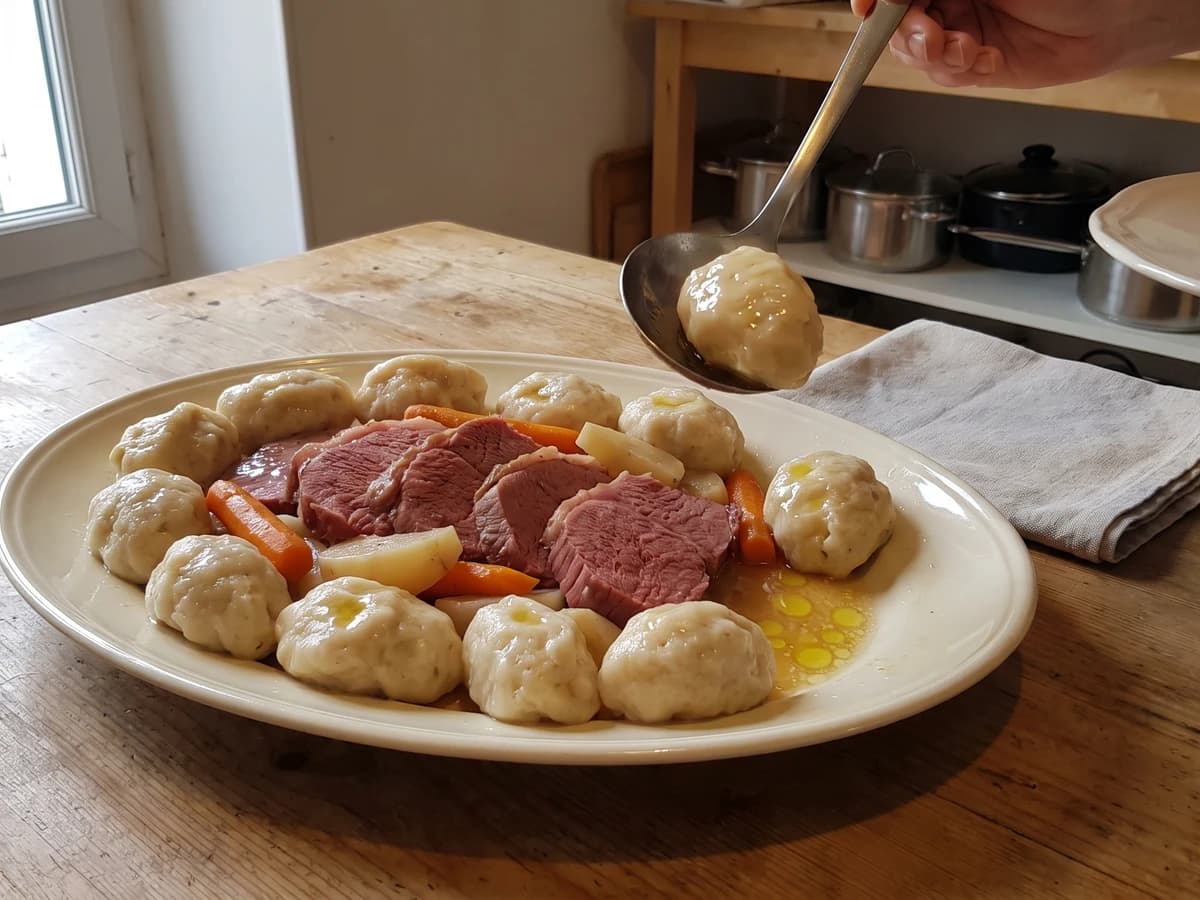
Boulettes au suif, poached beside salt beef, turn equal weights of flour and finely chopped suet into tender, rich dumplings. Keep the beef liquor at a bare tremble and the old garnish works beautifully at home.

Chef Juliette
Bread, flour, frangipane, and rice become four cool, supple panades for binding forcemeats, each changing body and flavor while preserving tenderness. The finest Mousselines need none, and knowing that distinction is the lesson.