Chef Takumi
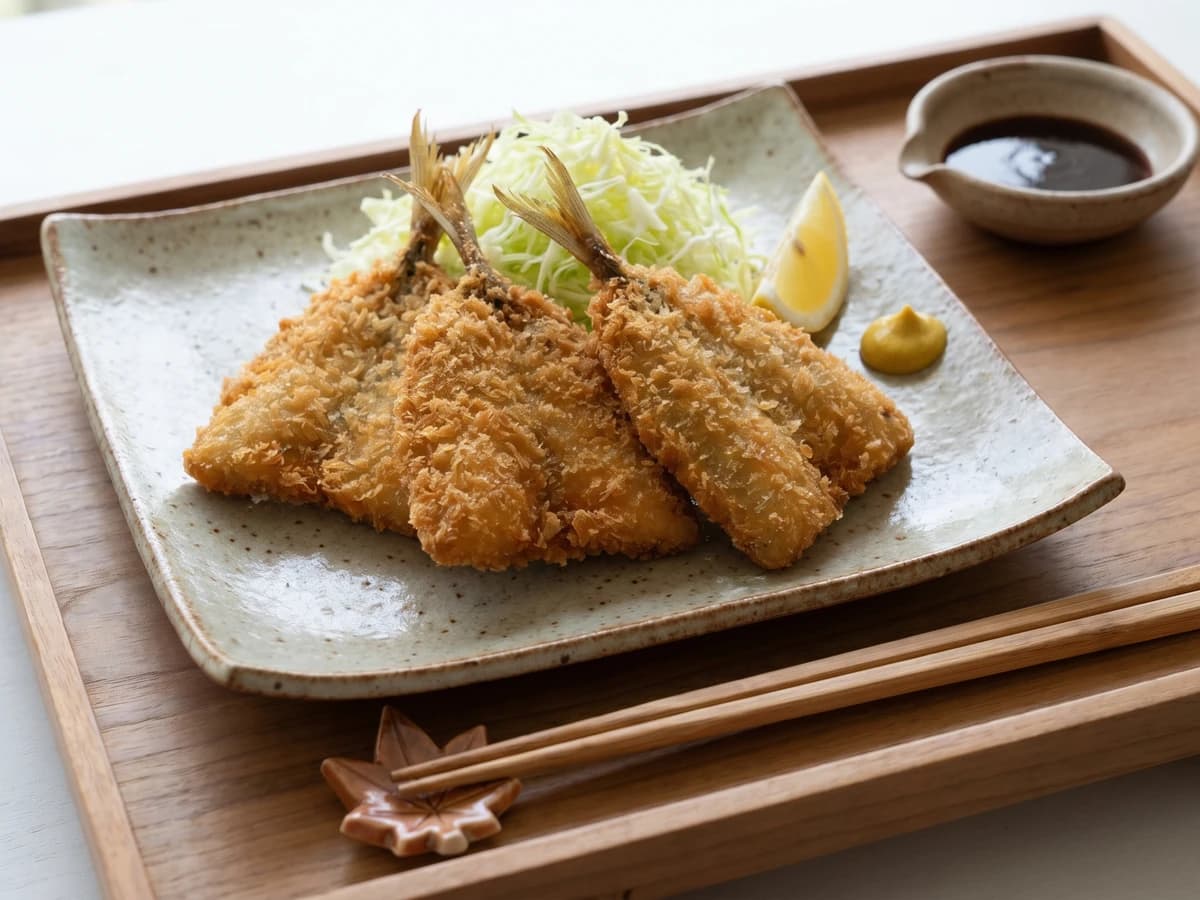
Aji Fry (アジフライ, panko-fried horse mackerel)
Aji fry is weeknight fish with no mystery: fresh horse mackerel opened cleanly, breaded lightly, and fried until the panko crackles while the flesh stays sweet.
A cooking platform built around craft, culture, and the stories behind what we eat.

Created by
Thin beef, plain tofu, and scallions simmer in a sukiyaki-style broth until the tofu drinks the seasoning and the beef stays tender. Fifteen minutes, no performance.
Nikudofu is what happens when sukiyaki comes home tired and takes off its formal clothes. Beef, tofu, scallions, and a sweet-salty broth. That is nearly the whole dish, which is why each part has to be honest.
The beef must be thin. Not precious, not expensive for its own sake, just sliced so finely that it cooks before it has time to tighten. Add it late, let it loosen in the simmering broth, and stop as soon as the pink is gone. Boil it hard and you turn tenderness into rope, which is a poor trade for impatience.
The tofu is the quiet center. Drain it first so it can take in the dashi, soy, mirin, and sake instead of watering the pot. A wooden drop-lid, otoshibuta, helps the seasoning move gently over everything without stirring. A circle of parchment will do the same work. This is the method, not the menu: simmer lightly, let the broth do its work, and leave the pieces room to stay themselves.
Nikudofu belongs to the family of sweet-salty soy-simmered beef dishes that spread in Japan after the Meiji period, when public beef eating became legally and socially accepted. It is closely related to sukiyaki, but it is simpler and more domestic, usually made in one pan without the ceremony of cooking at the table. In many Kansai and Kantō homes, the balance of sugar, soy sauce, sake, and mirin marks the cook's region as clearly as the ingredients do.
Quantity
400g
drained and cut into 8 pieces
Quantity
250g
cut into wide strips
Quantity
2
cut diagonally into 2-inch pieces
Quantity
1
thinly sliced
Quantity
1 cup
Quantity
3 tablespoons
Quantity
2 tablespoons
Quantity
2 tablespoons
Quantity
1 tablespoon
Quantity
1 teaspoon
| Ingredient | Quantity |
|---|---|
| firm tofudrained and cut into 8 pieces | 400g |
| thinly sliced beef ribeye, chuck, or shouldercut into wide strips | 250g |
| long scallionscut diagonally into 2-inch pieces | 2 |
| small onionthinly sliced | 1 |
| dashi | 1 cup |
| soy sauce | 3 tablespoons |
| mirin | 2 tablespoons |
| sake | 2 tablespoons |
| sugar | 1 tablespoon |
| neutral oil | 1 teaspoon |
Set the tofu on a plate lined with a clean cloth or paper towel for ten minutes, then cut it into eight sturdy pieces. This small wait matters. Tofu holding too much water thins the broth, while drained tofu drinks the seasoning and keeps its clean soybean taste.
In a bowl, stir together the dashi, soy sauce, mirin, sake, and sugar until the sugar dissolves. Taste it now. It should be a little stronger, sweeter, and saltier than you want the finished spoonful, because the tofu and onion will soften it as they simmer.
Warm the oil in a wide shallow pan over medium heat. Add the onion and the white parts of the scallions and cook for two minutes, just until glossy at the edges. You are not browning them. You only want their sweetness to wake up before the broth goes in.
Pour in the broth and bring it to a gentle simmer. Set the tofu pieces in a single layer, leaving a little space between them, then cover with a wooden drop-lid, otoshibuta, or a circle of parchment with a small hole in the center. Simmer for six to seven minutes so the tofu warms through and takes on the broth without being knocked apart.
Slide the beef into the simmering broth in loose folds, separating the slices as they go in. Cook for two to three minutes, turning once with chopsticks, until the pink has just disappeared. Thin beef cooks by a glance, not by a clock, and stopping early keeps it tender.
Add the green scallion pieces for the final minute, just until their color brightens and their sharpness softens. Taste the broth. If it is too strong, add a spoonful of dashi; if it is too quiet, add a few drops of soy sauce. Serve in shallow bowls with rice, spooning a little broth over the tofu and beef, but do not drown them.
1 serving (about 225g)
Culinary guides, cultural storytelling, and the editorial depth that makes cooking meaningful.
Discover Culinary ExplorerChef Takumi
Aji fry is weeknight fish with no mystery: fresh horse mackerel opened cleanly, breaded lightly, and fried until the panko crackles while the flesh stays sweet.
Chef Takumi
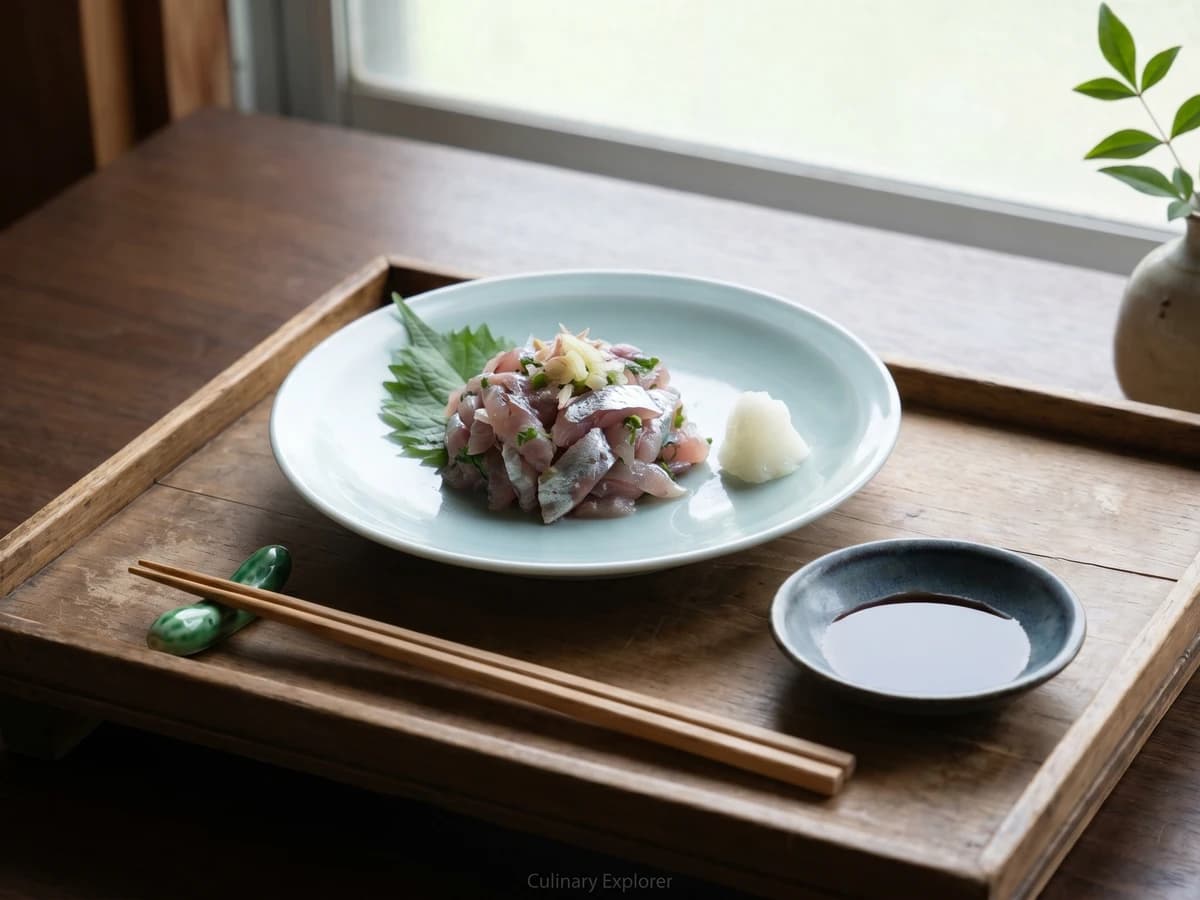
Summer horse mackerel, chopped just enough to catch ginger and scallion, becomes a cool, clean main dish with rice. The secret is fresh fish and a knife that does not bruise it.

Chef Takumi
Akashi-yaki is not sauced takoyaki. It is egg-rich batter, tender octopus, and clear dashi, cooked pale and soft so each ball can be dipped like a small custard dumpling.
Chef Takumi
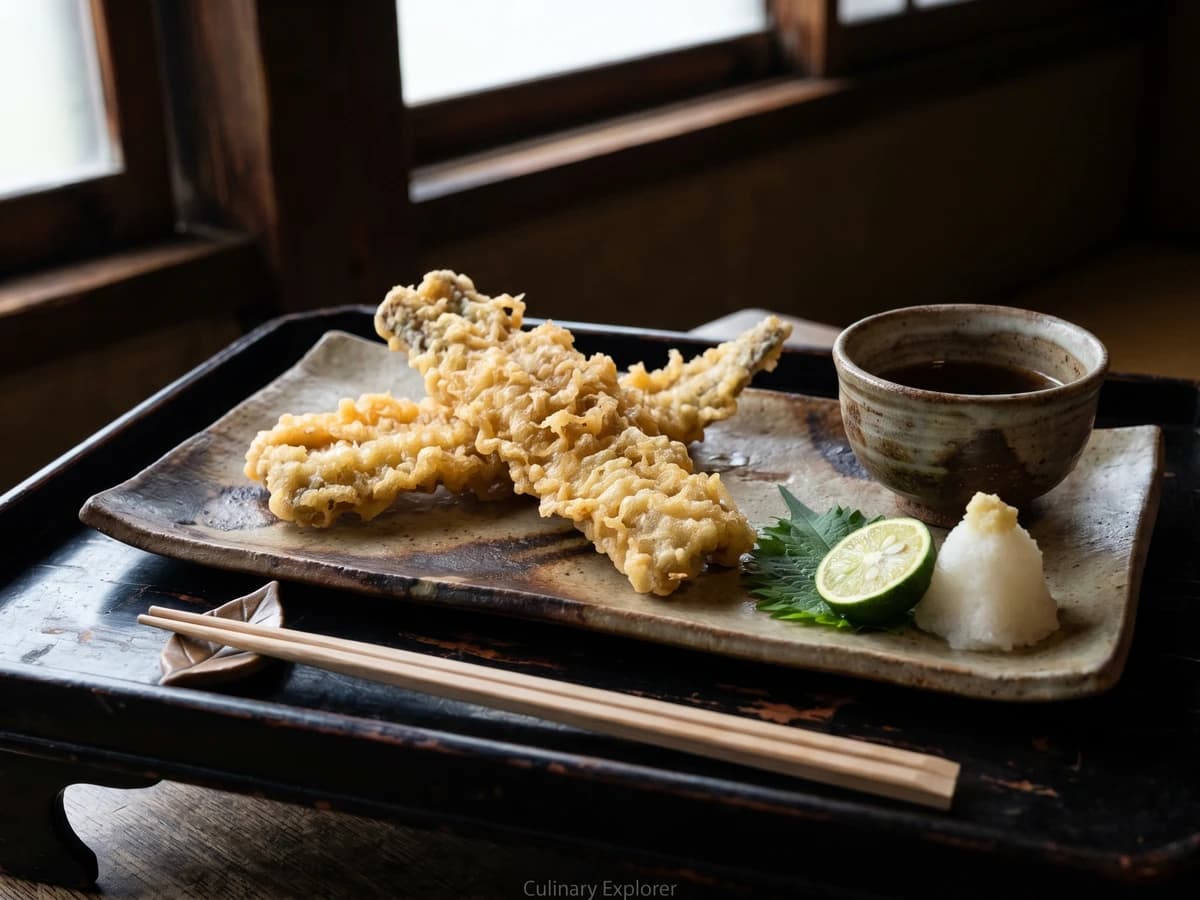
A whole anago looks like a test of nerve. It is mostly good sourcing, a dry skin, cold batter, and oil hot enough to leave the eel sweet under its lace.