
Chef Dimitra
Aegean Island Kakavia (Κακαβιά)
Aegean kakavia is the fisherman’s soup named for the pot itself: small rockfish, potato, onion, lemon, and enough olive oil to turn a poor catch rich.
A cooking platform built around craft, culture, and the stories behind what we eat.
Created by
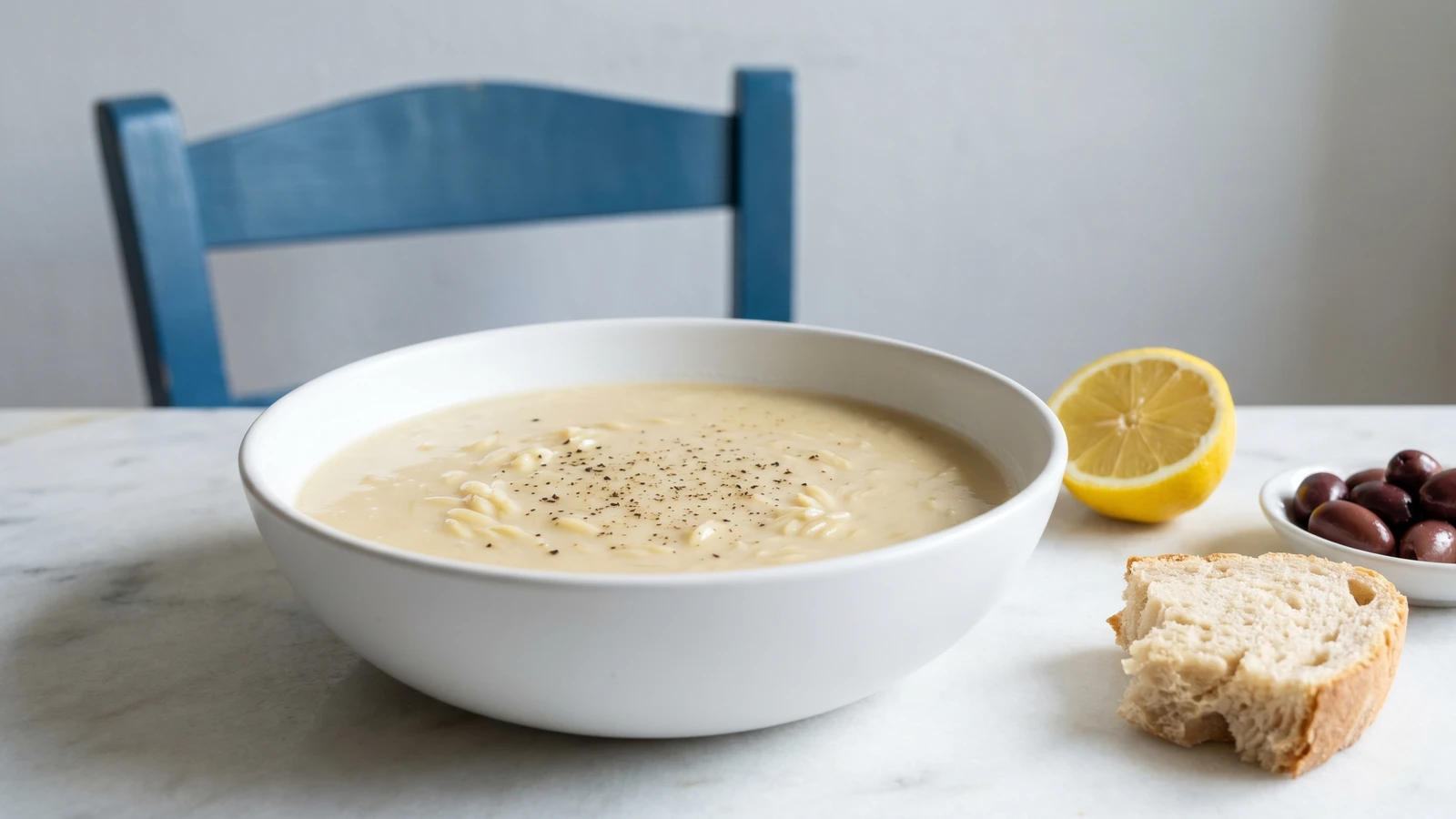
Mount Athos tahinosoupa is an oil-free Lenten soup of tahini, lemon, and orzo, plain enough for Holy Week and rich enough to comfort without a drop of oil.
Mount Athos tahinosoupa is a monk's soup from the fasting table: tahini whisked into lemony broth with kritharaki, the small Greek orzo that makes it filling without making it heavy. No oil, no butter, no egg. Just sesame, lemon, water, and patience.
The whole soup depends on how you add the tahini. Whisk it first with lemon and hot broth until it loosens, then return it to the pot off the heat. Let it boil hard and it separates into a rough, bitter-looking broth. Treat it gently and it turns silky, almost like avgolemono, but entirely nistisimo, fit for the strict fast.
I like this dish because it refuses decoration. Λίγα και καλά: a few things, and good ones. Use tahini that smells fresh and sweet, not dusty, and squeeze the lemon yourself. The region is the dish's surname here too, and on Athos the surname is monastic restraint.
Tahinosoupa belongs to the Orthodox fasting repertoire, especially the oil-free days of Great Lent and Holy Week, when sesame tahini gives body to soup without dairy, egg, or olive oil. The Athonite version from Mount Athos in Halkidiki is tied to monastery kitchens, where frugality and the church calendar shaped a deep nistisimo cuisine. Small pasta or rice made the soup sustaining enough for workdays without breaking the fast.
Quantity
1.4L
Quantity
120g
Quantity
180g
well stirred
Quantity
80ml
Quantity
1 tsp
plus more to taste
Quantity
1/2 tsp
Quantity
1 strip
yellow part only
| Ingredient | Quantity |
|---|---|
| water or light vegetable broth | 1.4L |
| orzo (kritharaki) | 120g |
| tahiniwell stirred | 180g |
| fresh lemon juice | 80ml |
| fine sea saltplus more to taste | 1 tsp |
| freshly ground black pepper | 1/2 tsp |
| lemon peel (optional)yellow part only | 1 strip |
Bring the water or light vegetable broth to a steady boil in a medium pot. Add the salt and the lemon peel if you're using it. Keep the broth plain. This is a fasting soup, and the restraint is the point.
Stir in the kritharaki and cook until just tender, usually 9 to 11 minutes. Stir often near the end so it doesn't settle and catch on the bottom. Pull out the lemon peel.
While the orzo cooks, whisk the tahini and lemon juice in a bowl. It will tighten first and look stubborn. Add 250ml hot broth, one small ladle at a time, whisking until the tahini turns pale, smooth, and pourable.
Take the pot off the heat. Pour the loosened tahini mixture back into the soup slowly, whisking as you pour. Tahini splits when it meets a hard boil, so this is the one method that decides the dish: off the heat, slowly, until the broth turns silky instead of grainy.
Taste for salt and lemon. Add the black pepper and serve at once, while the surface is glossy and the orzo is still tender. It should be lemony, nutty, and quiet, the kind of bowl that belongs to Holy Week.
1 serving (about 420g)
Culinary guides, cultural storytelling, and the editorial depth that makes cooking meaningful.
Discover Culinary ExplorerChef Dimitra
Aegean kakavia is the fisherman’s soup named for the pot itself: small rockfish, potato, onion, lemon, and enough olive oil to turn a poor catch rich.

Chef Dimitra
Corfu's bourdeto is a red, pepper-hot fish braise, traditionally made with scorpionfish, potatoes, tomato, and enough heat to announce the Ionian table.

Chef Dimitra
Central Macedonia's spring lamb fricassee braises shoulder with romaine, dill, and spring onion, then finishes the pot with avgolemono, the egg-lemon sauce that makes it silk.

Chef Dimitra
In Chania, tsigariasto is goat or lamb browned in olive oil, softened with wine, and left to braise without water until the pot gives back only glossy meat juices.