Chef Makoa
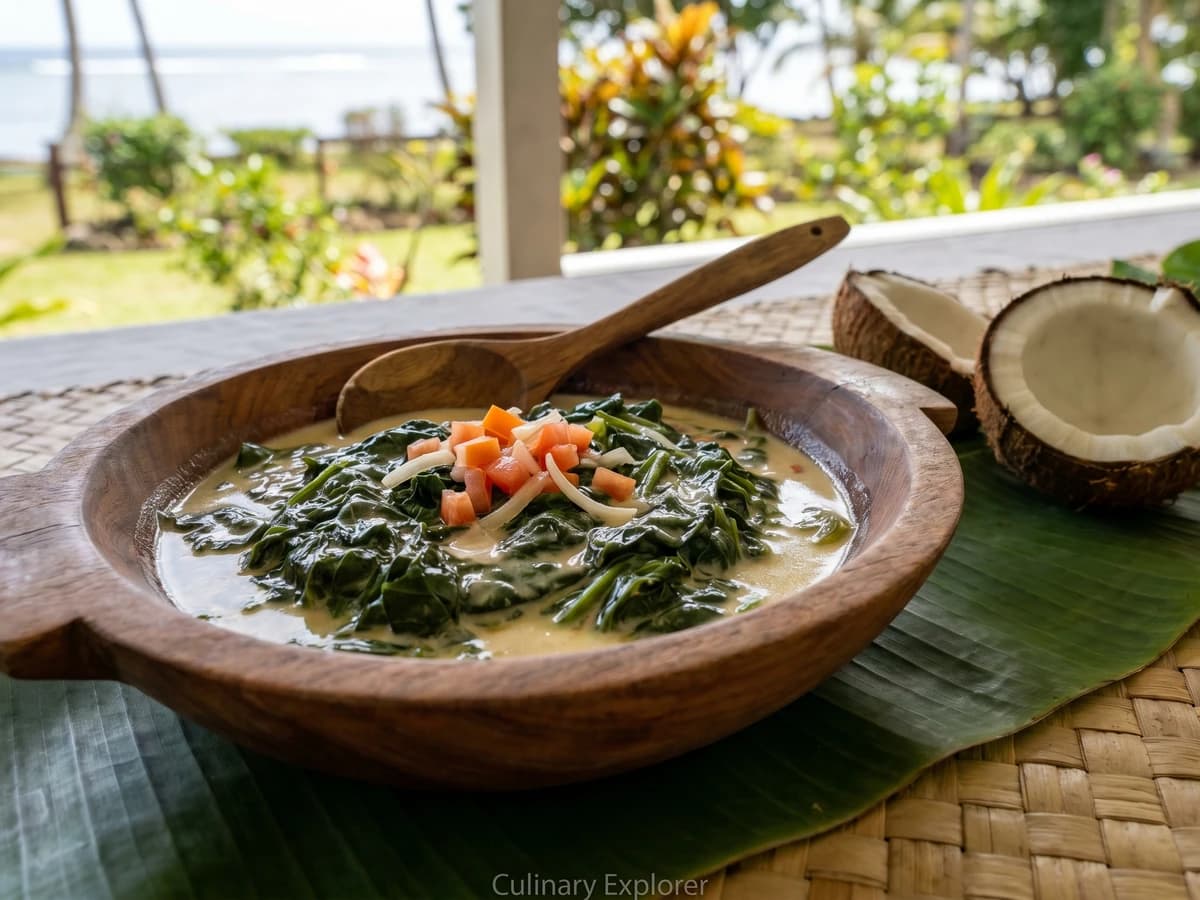
Lau Pele (Tongan Spinach in Coconut Cream)
Tonga's everyday green, lau pele, folds soft into coconut cream with onion and salt, a weeknight bowl that still remembers the umu, the garden, and the family table.
A cooking platform built around craft, culture, and the stories behind what we eat.
Created by
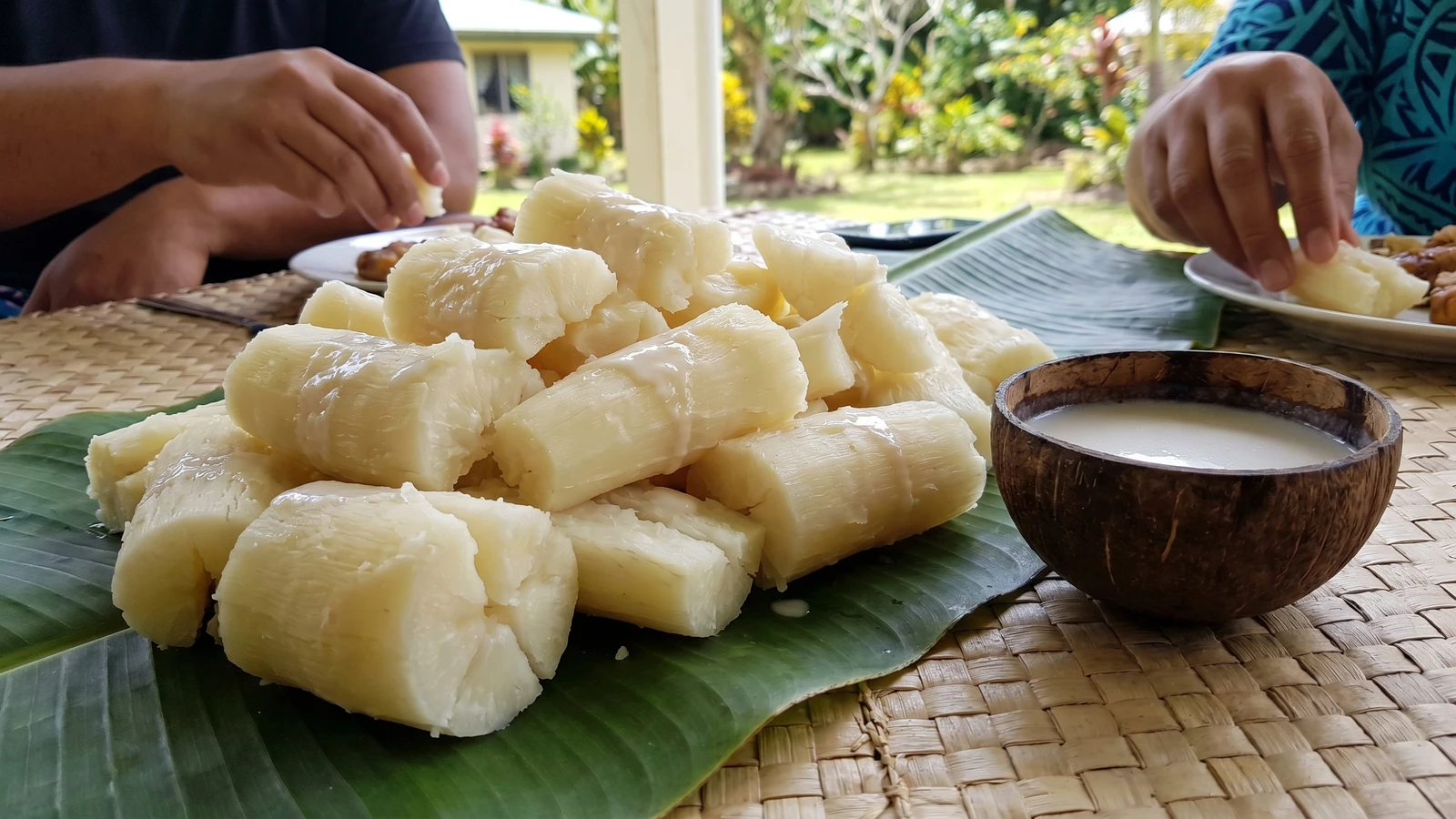
Tonga's weeknight root, boiled until dense, clean, and nutty, manioke feeds the table first. The sipi, feke, or corned beef is only the occasion on top.
The old people in Tonga will tell you by the plate before they tell you by the mouth: the root comes first. Manioke, cassava, isn't one of the old canoe plants like talo, ʻufi, or ʻulu, but Tonga took it in and made it family at the everyday table. Same way the islands took in sapasui, corned beef, rice, and made them speak local. Keeper, not gatekeeper.
I learned this one sitting with Tongan cousins, watching the pot more than the clock. The cassava goes in plain water, no fuss, and you cook it until the white flesh loses that raw snap and turns dense, tender, and a little nutty. It should split at the edges and give under a fork, but still hold its body. Too short and it bites back. Too long and it drinks too much water and falls apart. No need make it precious. Just pay attention.
This is Tonga's hand, and I say that clean. Sāmoa has its manioka, the Cooks and Tahiti have their own root plates beside taro and breadfruit, and back home in Hawaiʻi we lean on kalo, ʻulu, rice, and ʻuala in different ways. One ocean, one canoe, one root family, but each island chooses its own bowl. Serve this Tongan manioke under lū sipi, beside feke, with coconut cream, or with tinned corned beef on a tired Tuesday. The root is the meal. The meat just gives it a story.
Cassava began in South America and reached the Pacific through post-contact trade, mission, and plantation routes, so manioke is not an ancient canoe crop in Tonga the way talo, ʻufi, and ʻulu are. By the twentieth century it had become one of Tonga's dependable everyday starches, valued because it grows well, fills the family, and carries rich foods like lū sipi, feke, sipi, or corned beef without needing ceremony. That matters too: deep food and everyday food sit on the same mat, and a living island table makes room for both.
Manioke is the Tongan name for cassava, a starchy root boiled until dense, clean-tasting, and nutty. Though not one of the ancient canoe crops, it has become Tonga's everyday staple, serving as the filling base of the meal under sipi (lamb), feke (octopus), corned beef, or coconut cream.
Quantity
3 pounds
peeled, woody center removed if large, cut into 3-inch lengths
Quantity
2 teaspoons
plus more to taste
Quantity
enough to cover by 1 inch
Quantity
1 cup
warmed for serving
Quantity
1 tablespoon
for serving
| Ingredient | Quantity |
|---|---|
| fresh cassava (manioke)peeled, woody center removed if large, cut into 3-inch lengths | 3 pounds |
| sea saltplus more to taste | 2 teaspoons |
| water | enough to cover by 1 inch |
| coconut cream (optional)warmed for serving | 1 cup |
| butter (optional)for serving | 1 tablespoon |
Cut the manioke into sturdy lengths, then slice off the thick brown skin and the pinkish layer underneath until you reach clean white flesh. If the pieces are large and the center cord is tough, split them lengthwise and lift that woody core out. Eat what you have, but don't ask a hard cord to become tender.
Rinse the pieces well under cool water until the surface starch runs mostly clear. The root should feel firm, heavy, and clean in your hands, not slimy or sour. If a piece smells sharp or fermented in a bad way, let that one go.
Put the manioke in a heavy pot and cover it with water by about 1 inch. Add the salt, bring it to a steady boil, then lower to a lively simmer. Keep the water moving, not angry. This is weeknight food, but the root still wants respect.
Simmer 25 to 35 minutes, depending on the age and thickness of the cassava, until the pieces split at the edges and a fork slides through without force. The flesh should be dense and nutty, not crunchy in the middle and not collapsing into water. Taste one piece. The root tells you before the timer does.
Drain the pot well, then return the manioke to the warm empty pot for a minute so the surface dries and turns matte at the edges. That little dry-off keeps the pieces from tasting watery and helps them catch coconut cream, butter, or the juices from whatever sits on top.
Pile the manioke family-style on banana leaf or a wooden platter. Spoon over warm coconut cream if you like it rich, add butter if that's the house habit, or leave it plain under lū sipi, feke, sipi, chicken, or corned beef. Tonga knows the truth here: the root is the meal.
1 serving (about 285g)
Culinary guides, cultural storytelling, and the editorial depth that makes cooking meaningful.
Discover Culinary ExplorerChef Makoa
Tonga's everyday green, lau pele, folds soft into coconut cream with onion and salt, a weeknight bowl that still remembers the umu, the garden, and the family table.

Chef Makoa
Tonga's mei, breadfruit, roasted whole until the skin goes black and the flesh inside turns creamy and smoky, ready for salted coconut cream and a family spread.
Chef Makoa
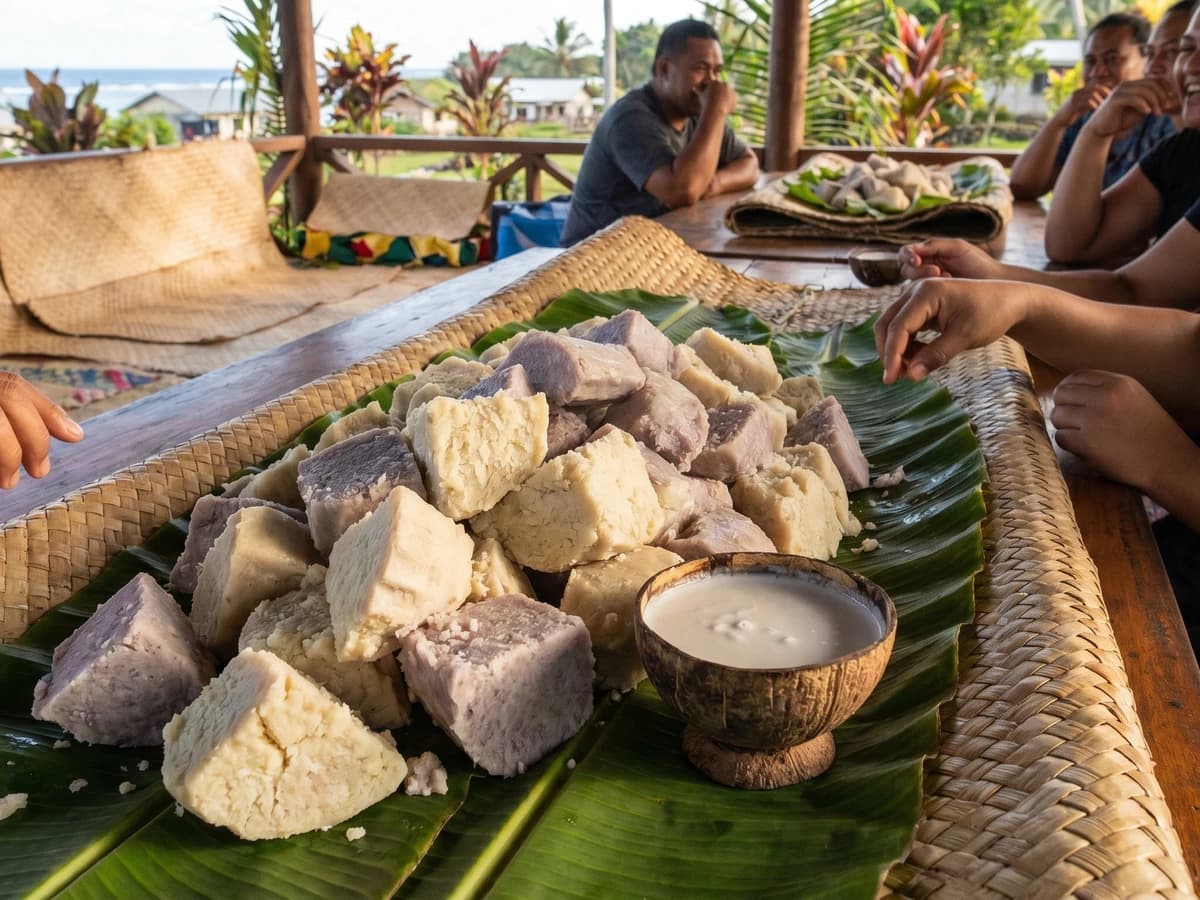
Tonga's talo, steamed slow until the corm turns dense, nutty, and softly lavender-grey, the quiet staple under the Tongan taro-leaf parcel lū pulu, fresh fish, or corned beef.
Chef Makoa
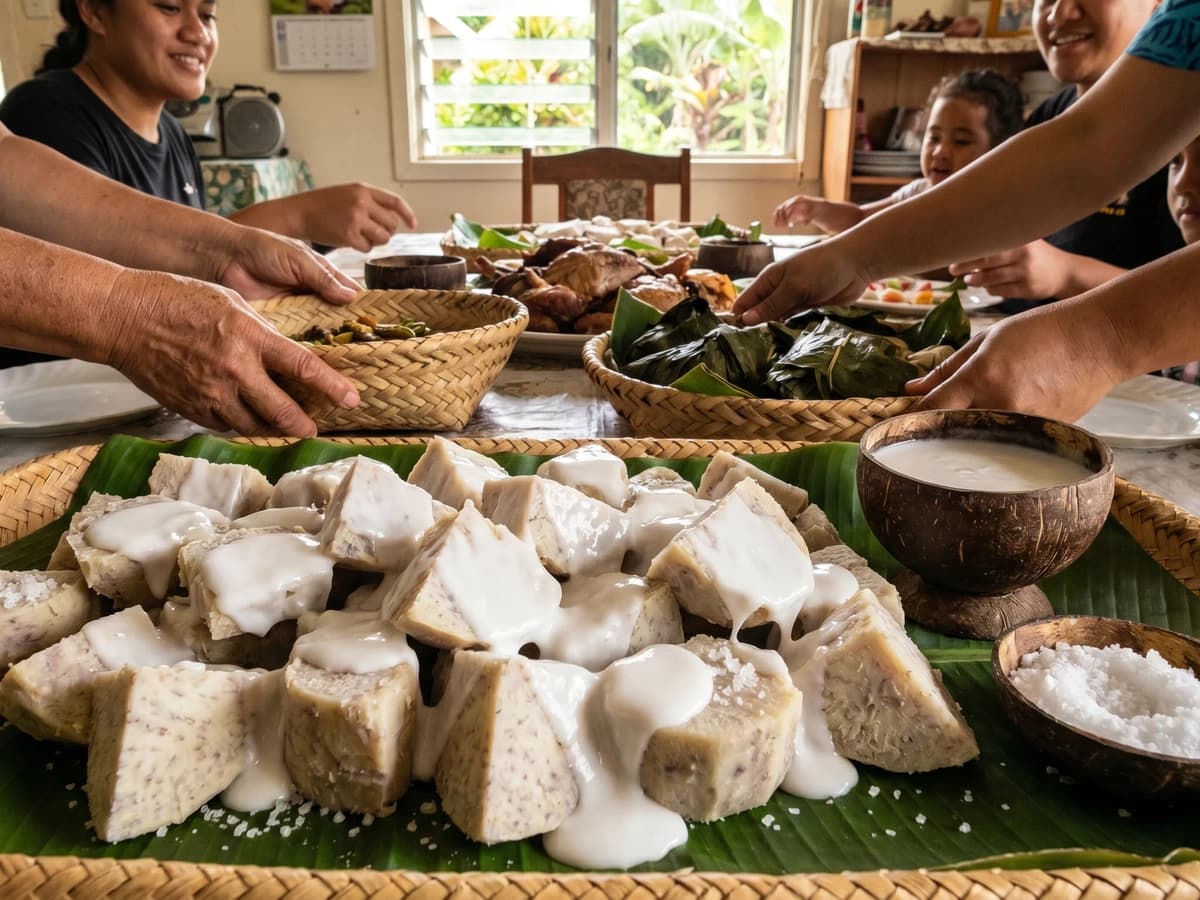
Tonga's prized garden yam, boiled in its own quiet time until dense and tender, then eaten with lolo niu, coconut cream, salt, and whatever the family table is carrying.