
Chef Makoa
Masi Sāmoa (Sāmoan Coconut Shortbread Biscuits)
Sāmoa's masi are the biscuit-tin comfort of the aiga (family), tender with butter and coconut cream, baked pale gold and passed with koko Samoa or tea.
A cooking platform built around craft, culture, and the stories behind what we eat.
Created by
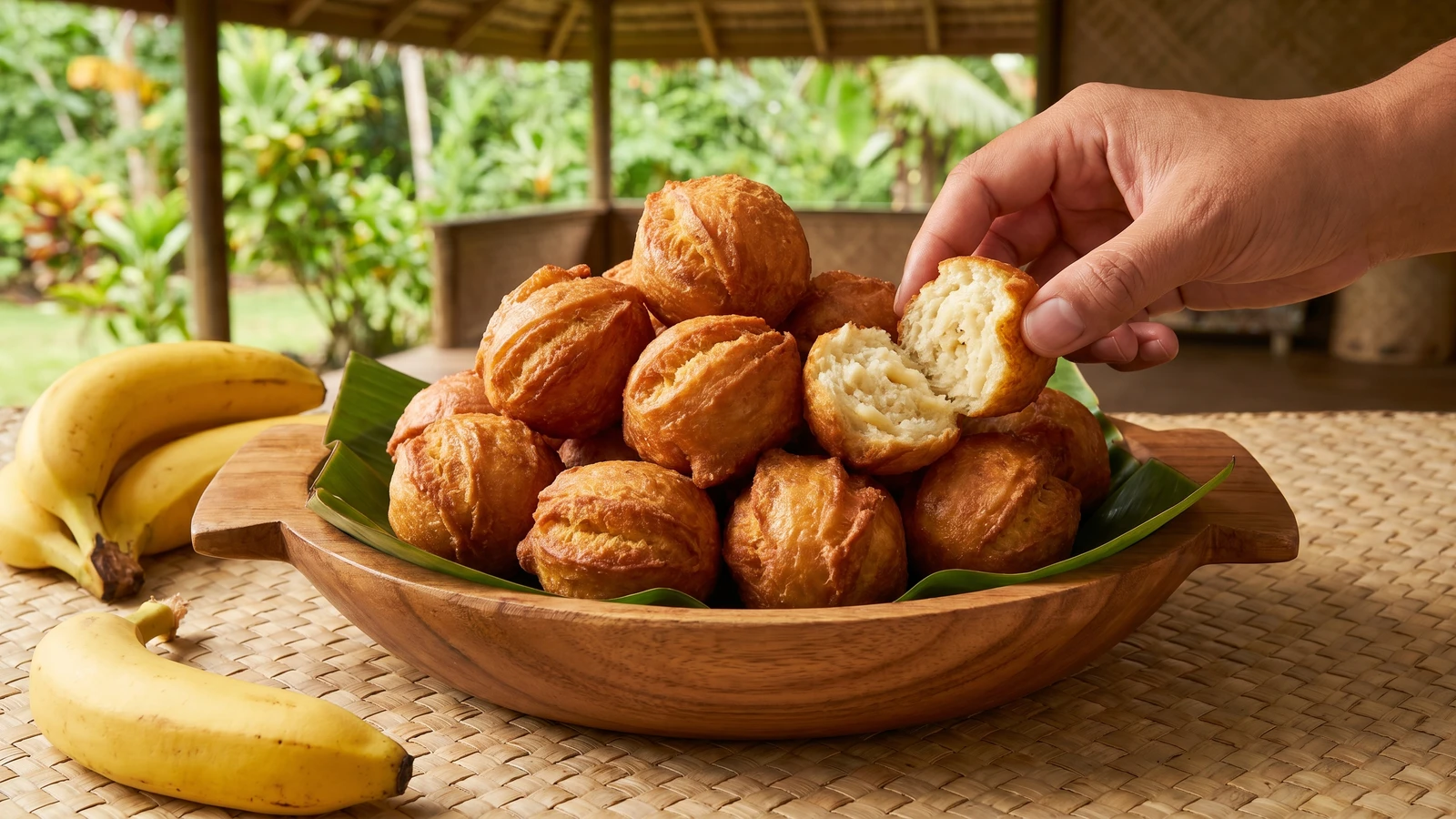
Sāmoa's keke saiga is the hot fritter from the family kitchen and roadside table, crisp at the edges, soft inside, sweet enough, and best shared before it cools.
My Sāmoan aunties will tell you quick: feed the people first, make it fancy never. Keke saiga belongs to Sāmoa, the kind of fried dough that shows up when the aiga, the family, needs something hot, cheap, and happy in the hand. It isn't ceremony like the umu, the above-ground hot-stone oven. It's everyday love, and everyday love feeds plenty.
Across the Triangle, the cousins know this feeling. Tonga has its own fried sweets, Hawaiʻi has malasadas now through the Portuguese plantation road, and in the Cooks and Tahiti you see flour, banana, sugar, and hot oil doing their practical work. Same ocean, different table. This one is Sāmoan, and I keep that name clean.
The trick is not to overwork the batter. Stir until it comes together, let the flour drink, then drop it into oil hot enough to puff the dough but not scorch it black before the middle cooks. If ripe banana goes in, it brings sweetness and softness, the way the islands actually cook: Eat what you have, no need make it precious.
Keke saiga sits on the contemporary Sāmoan table, shaped by imported flour and sugar that became part of island kitchens during the mission, trading, and colonial periods. It belongs beside foods like panikeke and other fried market snacks, not as pre-contact deep food, but as living Sāmoan comfort food that families still make for breakfast, school money, church gatherings, and a quick hot feed. The older table of talo, ʻulu, coconut, fish, and umu food is still the root, and these newer flour foods show how Sāmoan cooks brought the outside pantry home and made it feed the aiga.
Quantity
3 cups
Quantity
1/2 cup
Quantity
1 tablespoon
Quantity
1/2 teaspoon
Quantity
1/4 teaspoon
Quantity
1 large
mashed
Quantity
1 1/4 to 1 1/2 cups
Quantity
2 teaspoons
Quantity
for deep-frying
Quantity
for dusting
| Ingredient | Quantity |
|---|---|
| all-purpose flour | 3 cups |
| sugar | 1/2 cup |
| baking powder | 1 tablespoon |
| fine sea salt | 1/2 teaspoon |
| ground nutmeg (optional) | 1/4 teaspoon |
| ripe banana (optional)mashed | 1 large |
| water or coconut milk | 1 1/4 to 1 1/2 cups |
| vanilla extract (optional) | 2 teaspoons |
| neutral oil | for deep-frying |
| extra sugar (optional) | for dusting |
Whisk the flour, sugar, baking powder, salt, and nutmeg if using in a wide bowl. Keep it simple. This is not pastry-school work, this is feeding people before they drift out the door.
Stir in the mashed banana if using, then add the vanilla and 1 1/4 cups water or coconut milk. Mix until you have a thick, sticky batter that drops slowly from a spoon. Add the last 1/4 cup liquid only if the dough is too stiff to scoop.
Rest the batter for 10 minutes while the oil heats. The flour drinks, the baking powder wakes up, and the batter loosens just enough to puff instead of sitting heavy.
Pour 2 to 3 inches of oil into a heavy pot and heat to 350F. If you don't have a thermometer, drop in a tiny bit of batter; it should bubble right away and rise steadily, not sink cold and not burn dark in seconds.
Use two spoons or a small scoop to drop rounded spoonfuls into the oil, leaving room for them to move. Fry 3 to 4 minutes, turning once or twice, until the outside is deep golden brown and crisp and the fritter feels light for its size.
Lift the keke saiga onto a rack or paper towels and let the oil fall away. Dust with sugar if you like. Eat them hot, when the outside still has that little crisp under your teeth and the inside is soft and warm.
1 serving (about 50g)
Culinary guides, cultural storytelling, and the editorial depth that makes cooking meaningful.
Discover Culinary ExplorerChef Makoa
Sāmoa's masi are the biscuit-tin comfort of the aiga (family), tender with butter and coconut cream, baked pale gold and passed with koko Samoa or tea.
Chef Makoa
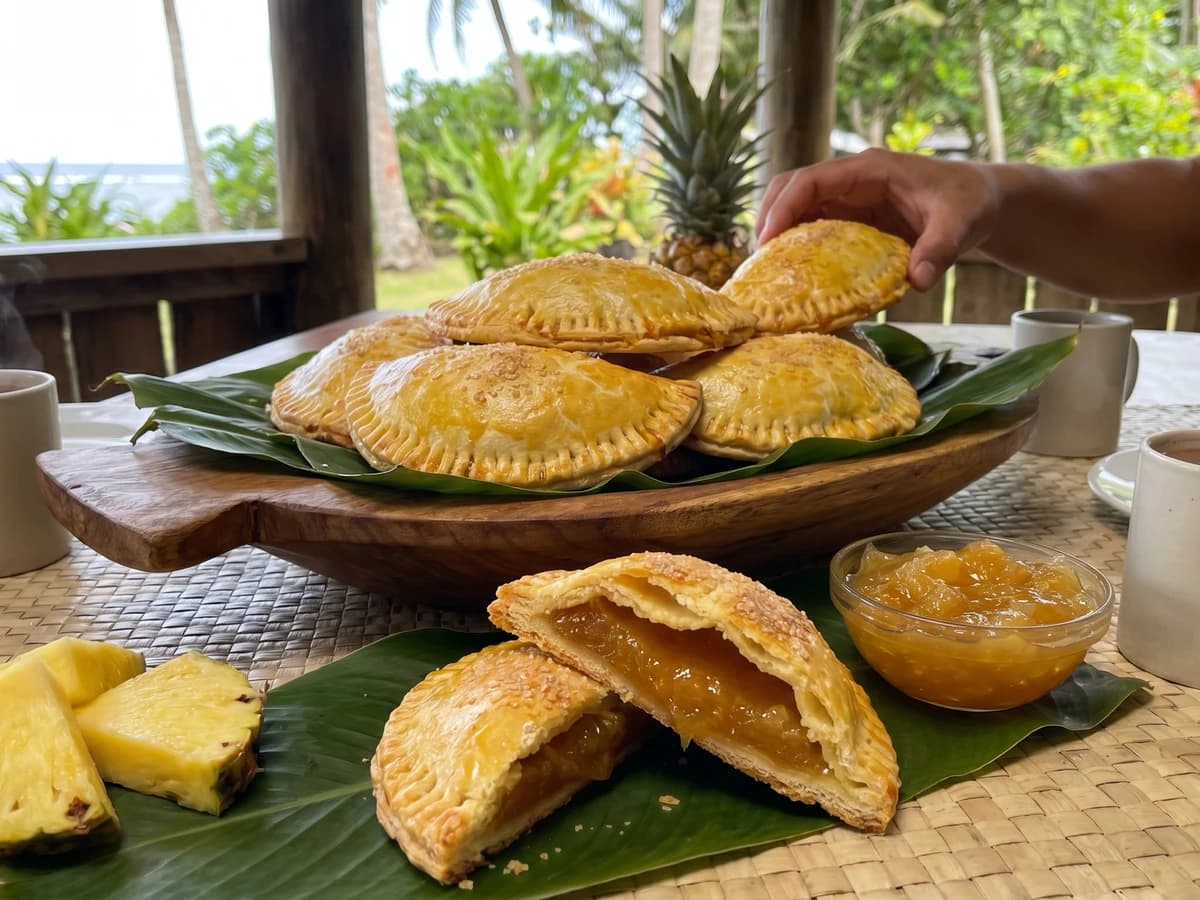
Sāmoa's half-moon Christmas pie, tender coconut pastry folded around thick pineapple custard and baked until gold, the kind of sweet an auntie sets down while the whole table keeps talking.

Chef Juliette
A pale short-paste shell holds silken, lightly sweet carrot purée beneath neat glazed half-discs, their butter syrup catching the light: a classical tart poised between vegetable course and sweet.
Chef Juliette
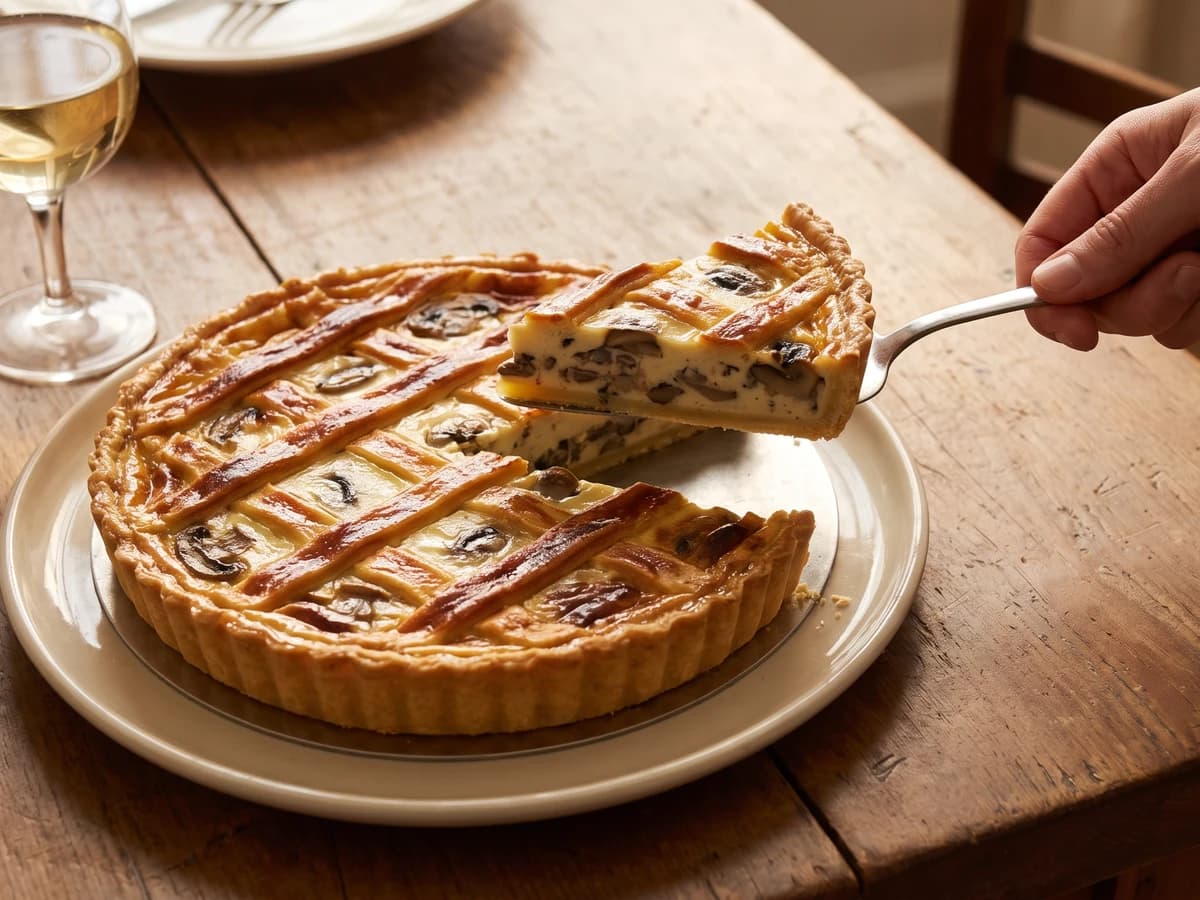
A hot mushroom flan under a butter-gold lattice, with cream reduced close around barely opened caps and a crisp short-paste base protected by one discipline: cool the filling completely.