Chef Takumi
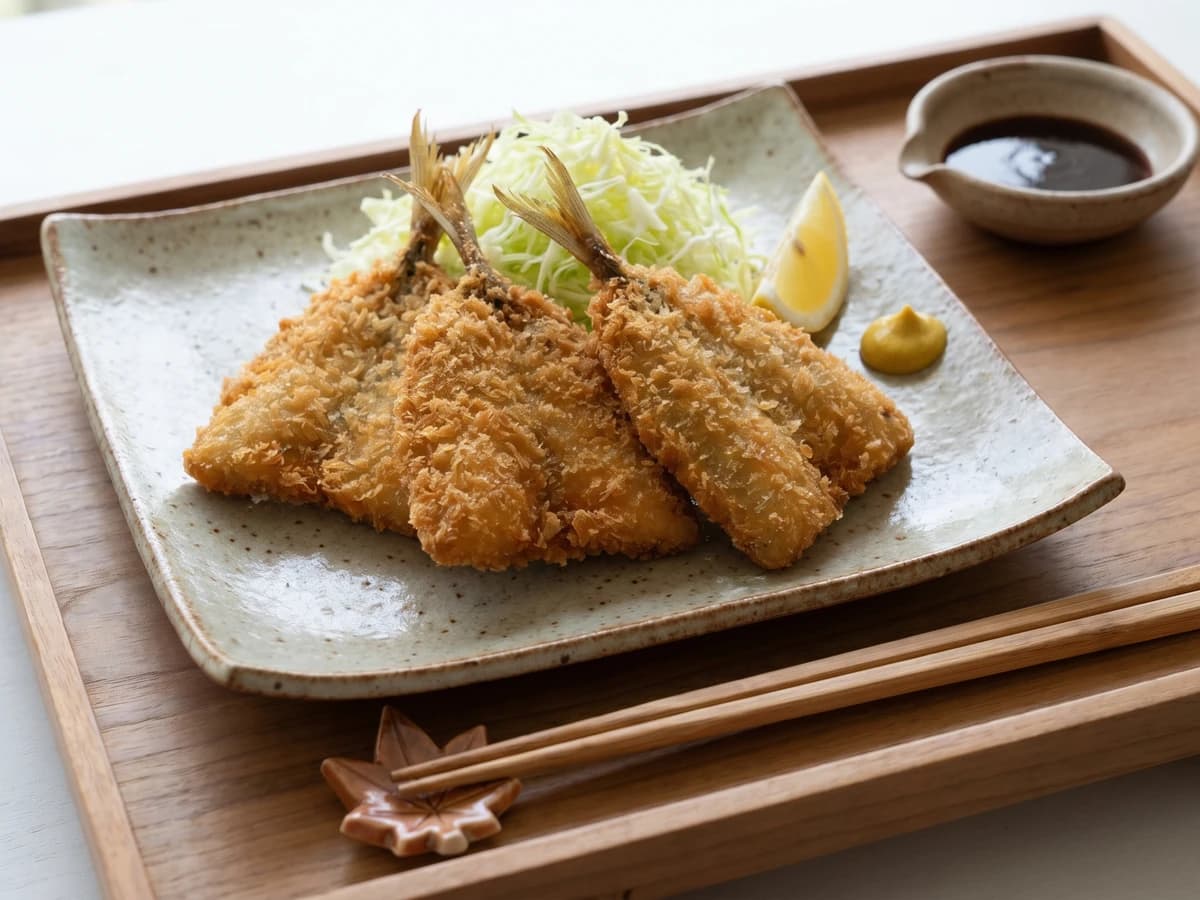
Aji Fry (アジフライ, panko-fried horse mackerel)
Aji fry is weeknight fish with no mystery: fresh horse mackerel opened cleanly, breaded lightly, and fried until the panko crackles while the flesh stays sweet.
A cooking platform built around craft, culture, and the stories behind what we eat.
Created by
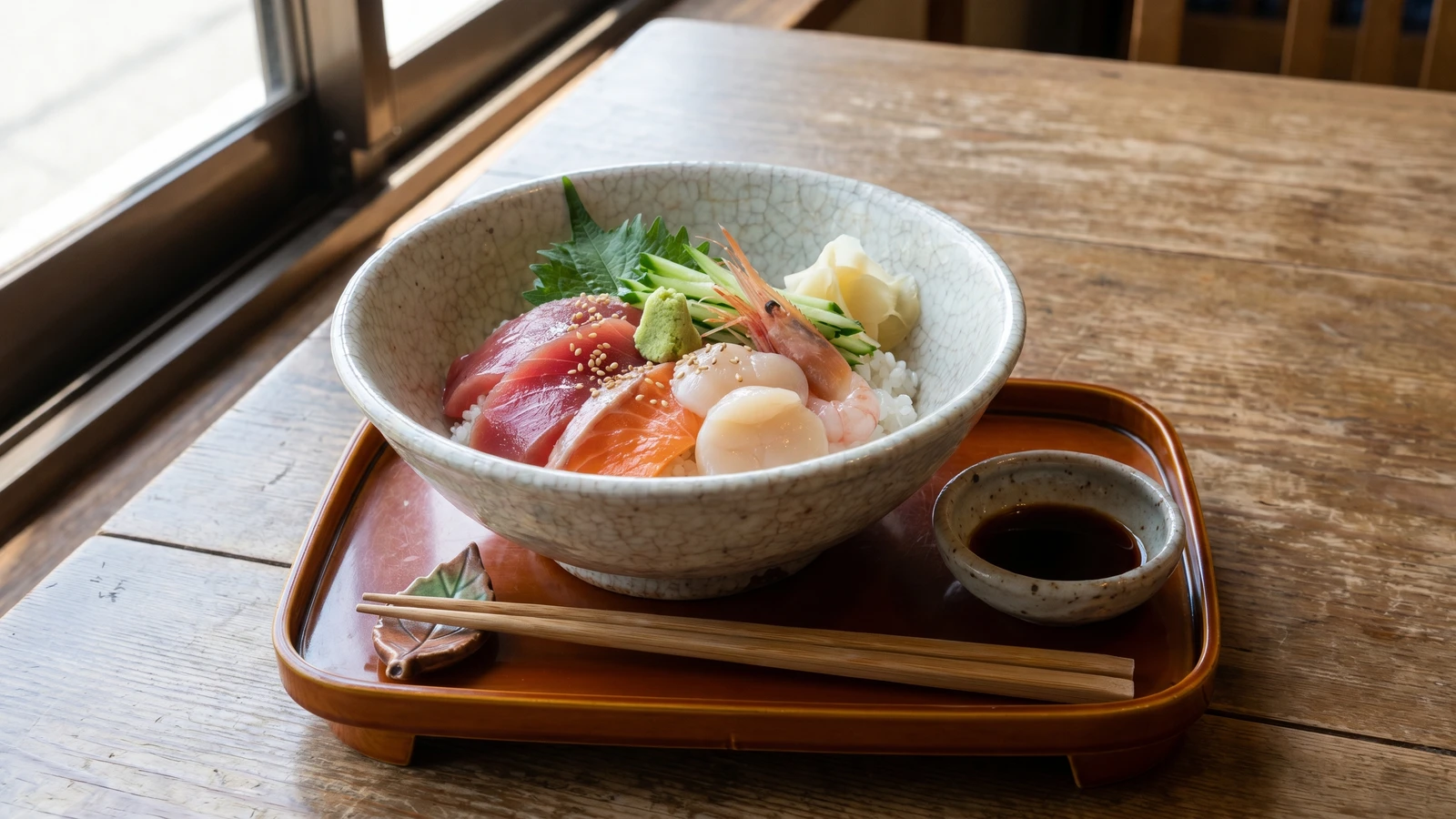
Kaisendon is not a display of knife tricks. It is good rice, glistening fresh seafood, and enough restraint to let each cut taste like itself.
Kaisendon looks like the difficult bowl because it arrives wearing its jewels on top. It isn't difficult. It is only honest. The cooking is mostly rice, and the rest is buying seafood clean enough to eat raw, keeping it cold, and cutting it without bullying it.
The one detail that decides the dish comes before the knife: sourcing. Ask for fish and shellfish intended to be eaten raw, from a shop that can tell you when it arrived and how it was handled. If it smells strongly of the sea, cook something else. No sauce will rescue tired fish, and in this bowl we hide nothing.
The rice matters more than people think. It should be vinegared while warm, then cooled until it is no longer hot, because heat dulls raw fish and melts the clean edges of the slices. Fan it gently as you fold in the vinegar mixture, not for ceremony, but to give the grains a light gloss and keep them separate.
Arrange the seafood in odd little groups, with height at the center and a little empty rim showing. This is moritsuke, the grammar of setting food where the eye can understand it. Put wasabi and soy on the side, or brush a little soy lightly over the fish, but don't drown the bowl. Let the knife do the seasoning.
Kaisendon belongs to the broader family of donburi, rice bowls that became common urban food in the Edo period, but its seafood form is especially associated with fish markets and port towns. In Hokkaido and along the Sea of Japan coast, bowls topped with local crab, salmon roe, sea urchin, scallop, and seasonal fish became a way to serve the morning catch directly over rice. Unlike chirashizushi, which is tied to the sushi tradition and often uses carefully seasoned toppings, kaisendon is plainer: seafood arranged over rice, with freshness as the main argument.
Quantity
1 1/2 cups
Quantity
1 2/3 cups
or to your rice cooker's mark
Quantity
3 tablespoons
Quantity
1 tablespoon
Quantity
1 teaspoon
Quantity
120g
kept chilled
Quantity
120g
kept chilled
Quantity
4
kept chilled
Quantity
4
peeled and kept chilled
Quantity
1 small piece
cut into fine matchsticks
Quantity
2
Quantity
2 teaspoons
Quantity
for serving
Quantity
for serving
Quantity
for serving
| Ingredient | Quantity |
|---|---|
| Japanese short-grain rice | 1 1/2 cups |
| wateror to your rice cooker's mark | 1 2/3 cups |
| rice vinegar | 3 tablespoons |
| sugar | 1 tablespoon |
| fine sea salt | 1 teaspoon |
| sashimi-grade tunakept chilled | 120g |
| sashimi-grade salmonkept chilled | 120g |
| sashimi-grade scallopskept chilled | 4 |
| raw sweet shrimp (amaebi)peeled and kept chilled | 4 |
| cucumbercut into fine matchsticks | 1 small piece |
| shiso leaves | 2 |
| toasted white sesame seeds | 2 teaspoons |
| grated wasabi (optional) | for serving |
| soy sauce | for serving |
| pickled ginger (optional) | for serving |
Rinse the rice in a bowl of cold water, swirling gently with your hand, then drain. Repeat until the water runs almost clear. This washes away loose surface starch, so the cooked grains stay distinct instead of turning pasty. Drain the rice well for 15 minutes before cooking, because soaked grains cook more evenly.
Cook the rice with the measured water in a rice cooker or covered pot. When it finishes, let it rest for 10 minutes before opening the lid. That rest lets the moisture settle through the pot, so the top and bottom grains eat the same way.
Warm the rice vinegar, sugar, and salt just enough to dissolve the sugar, then let it cool. Turn the hot rice into a wide bowl or hangiri, sprinkle the vinegar mixture over it, and fold with a rice paddle in cutting motions while fanning. You're seasoning the grains without crushing them, and the fanning gives the rice its quiet gloss.
Spread the seasoned rice in an even layer and let it cool to body temperature or a little cooler. Don't refrigerate it, which hardens the grains. Don't top it while hot either, because warmth softens raw fish and steals the clean edge you paid for.
Keep the seafood covered and cold until the moment you cut. Smell it first. It should be clean and faintly sweet, never sharp, sour, or strongly fishy. If anything makes you hesitate, cook it for another dish. Kaisendon has no hiding place, which is its good manners and its danger.
With a very sharp knife, slice the tuna and salmon across the grain in one smooth pull, about 1/4 inch thick. Wipe the blade between cuts. Sawing bruises the flesh and makes the surface dull, while one clean draw leaves a wet, even face that catches the light.
Slice each scallop horizontally into two or three coins if large, or leave small ones whole. Keep the sweet shrimp whole so their shape reads clearly in the bowl. Shellfish warms quickly under your fingers, so work in small batches and return anything waiting to the refrigerator.
Divide the sushi rice between two deep donburi bowls, mounding it gently without packing it down. Scatter a little sesame over the rice, tuck in shiso and cucumber, then arrange the tuna, salmon, scallop, and shrimp in odd groups with a little height at the center. Leave a clean rim of rice showing so the bowl can breathe.
Serve immediately with soy sauce, grated wasabi, and pickled ginger on the side. Dip a slice lightly or brush a little soy over the seafood just before eating. Pouring soy over the whole bowl floods the rice and turns each fish into the same flavor, which is a waste of good shopping.
1 serving (about 475g)
Culinary guides, cultural storytelling, and the editorial depth that makes cooking meaningful.
Discover Culinary ExplorerChef Takumi
Aji fry is weeknight fish with no mystery: fresh horse mackerel opened cleanly, breaded lightly, and fried until the panko crackles while the flesh stays sweet.
Chef Takumi
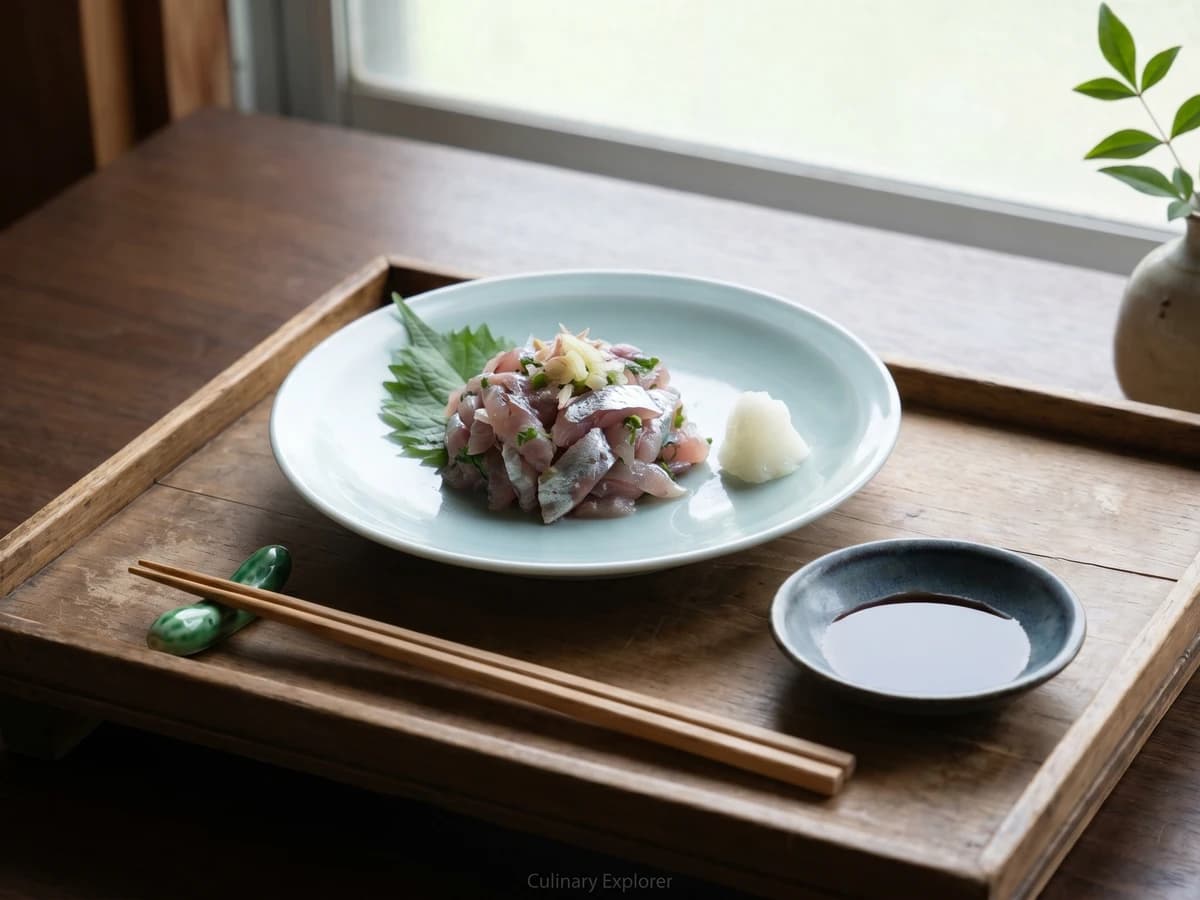
Summer horse mackerel, chopped just enough to catch ginger and scallion, becomes a cool, clean main dish with rice. The secret is fresh fish and a knife that does not bruise it.

Chef Takumi
Akashi-yaki is not sauced takoyaki. It is egg-rich batter, tender octopus, and clear dashi, cooked pale and soft so each ball can be dipped like a small custard dumpling.
Chef Takumi
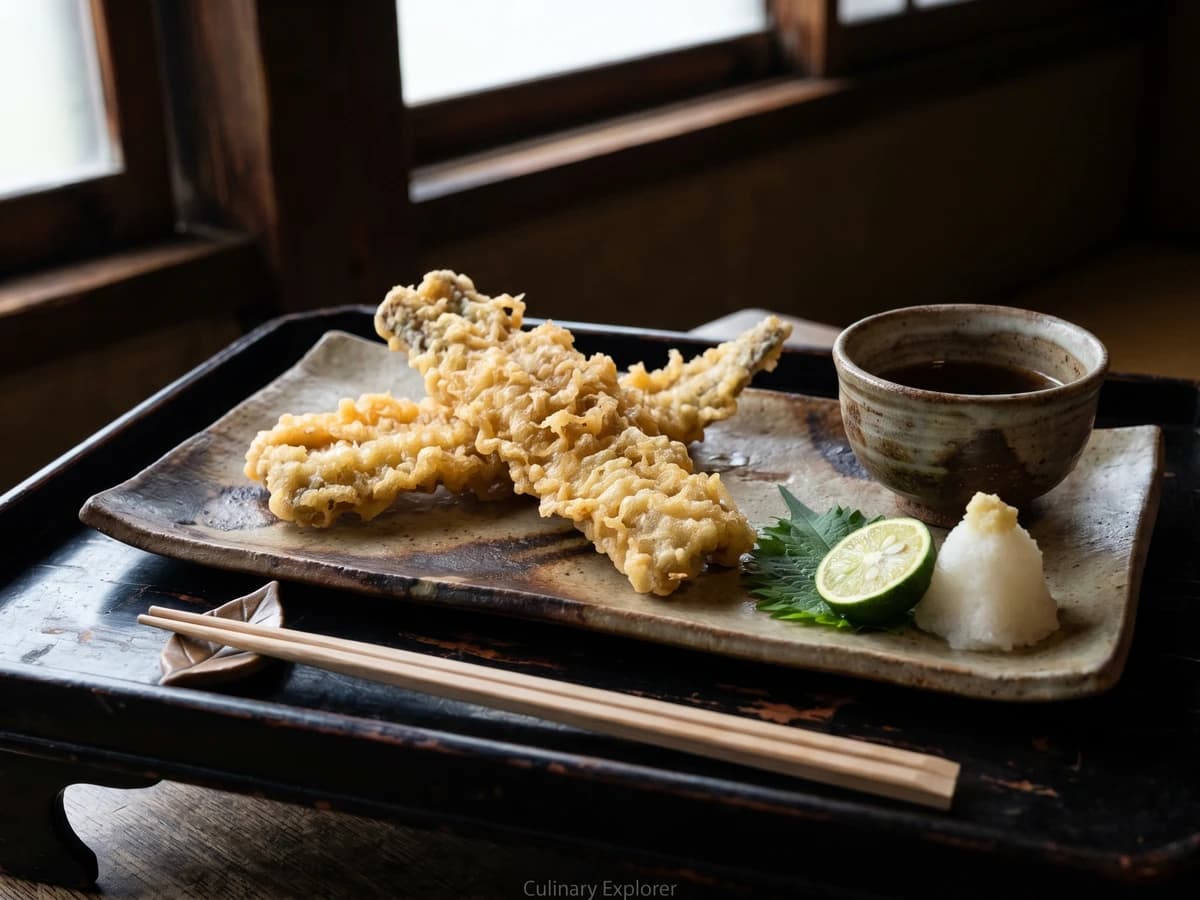
A whole anago looks like a test of nerve. It is mostly good sourcing, a dry skin, cold batter, and oil hot enough to leave the eel sweet under its lace.