
Chef Takumi
Agar Jelly with Anko and Fruit (あんみつ, Anmitsu)
Anmitsu looks like a tray of small tasks, but the work is calm: dissolve the kanten fully, chill the pieces clean, then let fruit, anko, and kuromitsu do the speaking.
A cooking platform built around craft, culture, and the stories behind what we eat.
Created by
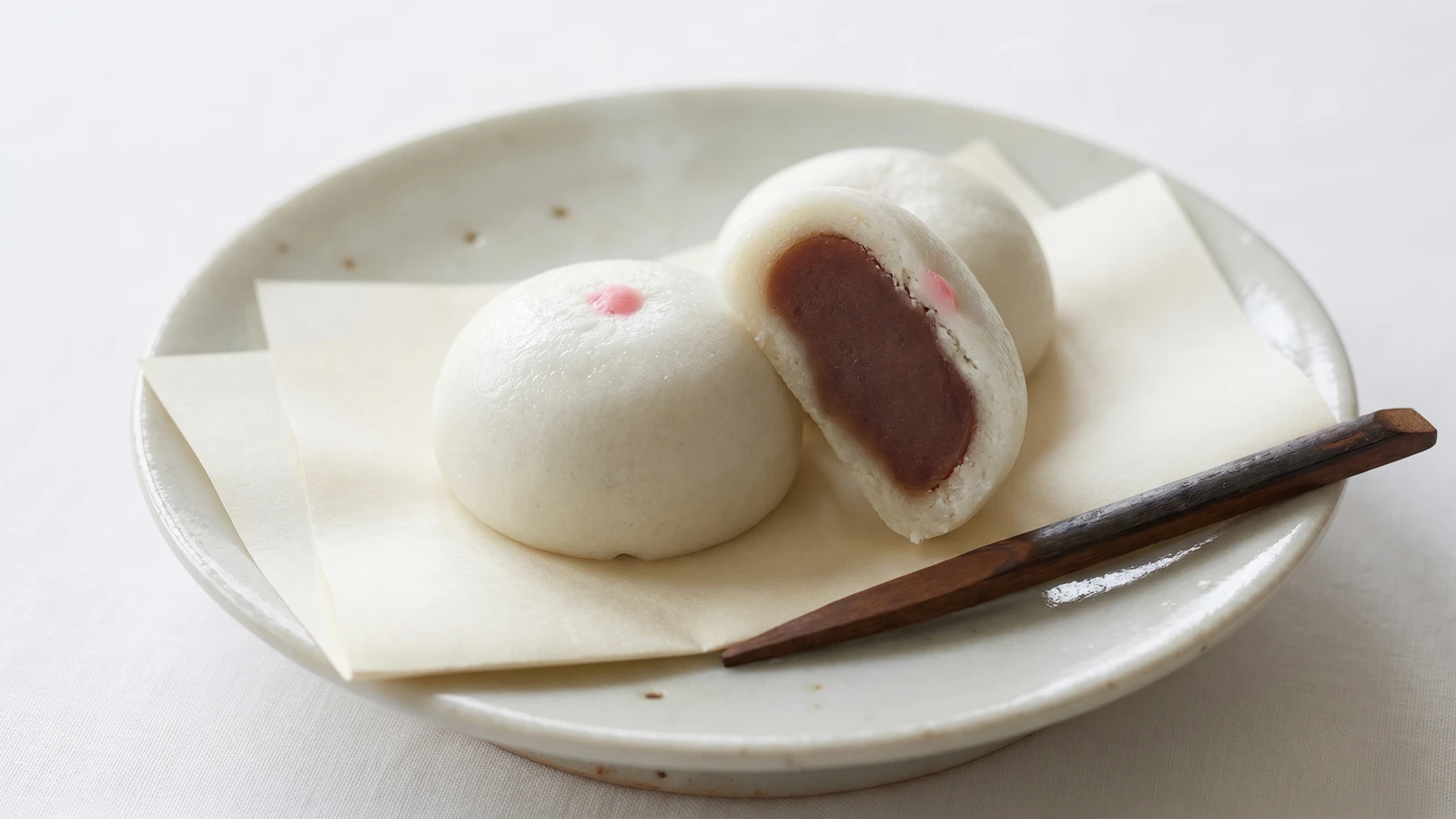
A formal tea sweet made from grated mountain yam, fine rice flour, and smooth anko, worked lightly and steamed into tender white domes. The yam gives the lift, so your hand stays gentle.
The yam decides this sweet. Jōyo Manjū looks like wagashi made to frighten a home cook: smooth white skin, dark anko inside, no heavy flavor to hide a mistake. It isn't beyond you. It is unfamiliar, and that is a kinder problem.
Buy the right yam and the dish comes toward you. Tsukuneimo or Yamatoimo grates into a sticky paste that holds air and gives the skin its tender rise. Mountain yam has its shun from late autumn into winter, though the sweet appears all year when the occasion asks for formality. Sourcing first, always.
The one detail that decides it is the flour. Fold in just enough jōyōko, fine non-glutinous rice flour, for the dough to hold a soft shape. Too much flour turns the skin tight and dull; too little and it slumps. Dust your hands, close it gently around smooth koshi-an, and the steamer finishes what your fingers began.
On the tea table, this is a serious sweet, served before tea when the room has gone quiet and everyone pretends not to inspect the host's fingers. Plain white, small, and tender, it asks for ma, the empty space that lets the eye settle. Honmono doesn't need a crowd around it.
Manjū is usually traced in Japanese confectioners' tradition to Rin Jōin, a Chinese immigrant said to have arrived in Japan in 1341 and made bean-filled buns in Nara in place of meat-filled ones. Jōyo Manjū takes its name from 薯蕷, a classical word for yam, and uses grated yam with fine non-glutinous rice flour rather than a wheat dough. In chanoyu and formal gift giving, the plain white dome became a celebratory sweet because its restraint suited the tea table and could be marked lightly for auspicious occasions.
Quantity
360g
divided into 12 balls
Quantity
85g peeled weight
finely grated
Quantity
100g
Quantity
100g, plus more for dusting
sifted
Quantity
tiny pinch
mixed with a drop of water
| Ingredient | Quantity |
|---|---|
| firm koshi-an (smooth sweet adzuki bean paste)divided into 12 balls | 360g |
| tsukuneimo or Yamatoimo (Japanese mountain yam)finely grated | 85g peeled weight |
| fine white sugar | 100g |
| jōyōko or fine jōshinko (non-glutinous rice flour)sifted | 100g, plus more for dusting |
| beni (safflower red coloring) (optional)mixed with a drop of water | tiny pinch |
Divide the koshi-an into 12 portions, 30g each, and roll them into smooth balls. Chill them while you make the dough. Firm, round filling lets the yam skin close cleanly around it; soft anko smears, stains the white dough, and makes a careful cook say several impolite things under the breath.
Peel the mountain yam and grate it as finely as you can on an oroshigane, a Japanese grater, or a fine rasp. Scrape it into a bowl and stir until it looks glossy and elastic. The stickiness is not a nuisance; it is the structure of the skin. If your hands itch from yam, wear gloves, because some yams irritate the skin.
Add the sugar to the grated yam in three additions, beating with a sturdy spatula after each one until the paste loosens, shines, and pulls slightly from the bowl. Sugar dissolves into the yam and smooths the dough; rush it and grains of sugar can mark the skin instead of disappearing into it.
Sift in the jōyōko a little at a time, folding gently after each addition. Stop when the dough is soft, tacky, and able to hold a rounded shape. This is the one detail that decides Jōyo Manjū. Too much flour gives a tight, dry skin; too little and the buns slump in the steamer.
Dust your hands and board lightly with rice flour, then divide the dough into 12 pieces. Flatten one piece into a round, set an anko ball in the center, and draw the dough up around it while turning it in your palm. Pinch it closed, set the closed side down on a small square of parchment, and smooth the top with barely floured fingers. Dust the hands, not the dough; extra flour leaves dull patches after cooking.
Bring the steamer to a steady boil before the buns go in. Set the manjū in with space between them, wrap the lid in a clean towel to catch drips, and steam over lively heat for 10 to 12 minutes. The towel matters because falling water spots the white skin. The heat matters because the yam dough needs to set before it spreads.
Lift the manjū out on their parchment and let them cool on a rack until just warm or room temperature. If using beni, touch a tiny dot or mark on the top after cooling. Serve the same day, one or three on a plate with space around them. Leave it room; a quiet sweet shouldn't have to shout.
1 serving (about 55g)
Culinary guides, cultural storytelling, and the editorial depth that makes cooking meaningful.
Discover Culinary ExplorerChef Takumi
Anmitsu looks like a tray of small tasks, but the work is calm: dissolve the kanten fully, chill the pieces clean, then let fruit, anko, and kuromitsu do the speaking.

Chef Takumi
A cool square of almond-scented milk, set softly and served with mikan in thin syrup, is dinner-party food without theater. The only stern demand is restraint with the fragrance.

Chef Takumi
Azuki bar asks for patience twice: once while the beans soften, and once while the frozen bar yields. That hardness is not a flaw. It is the character of the thing.
Chef Takumi
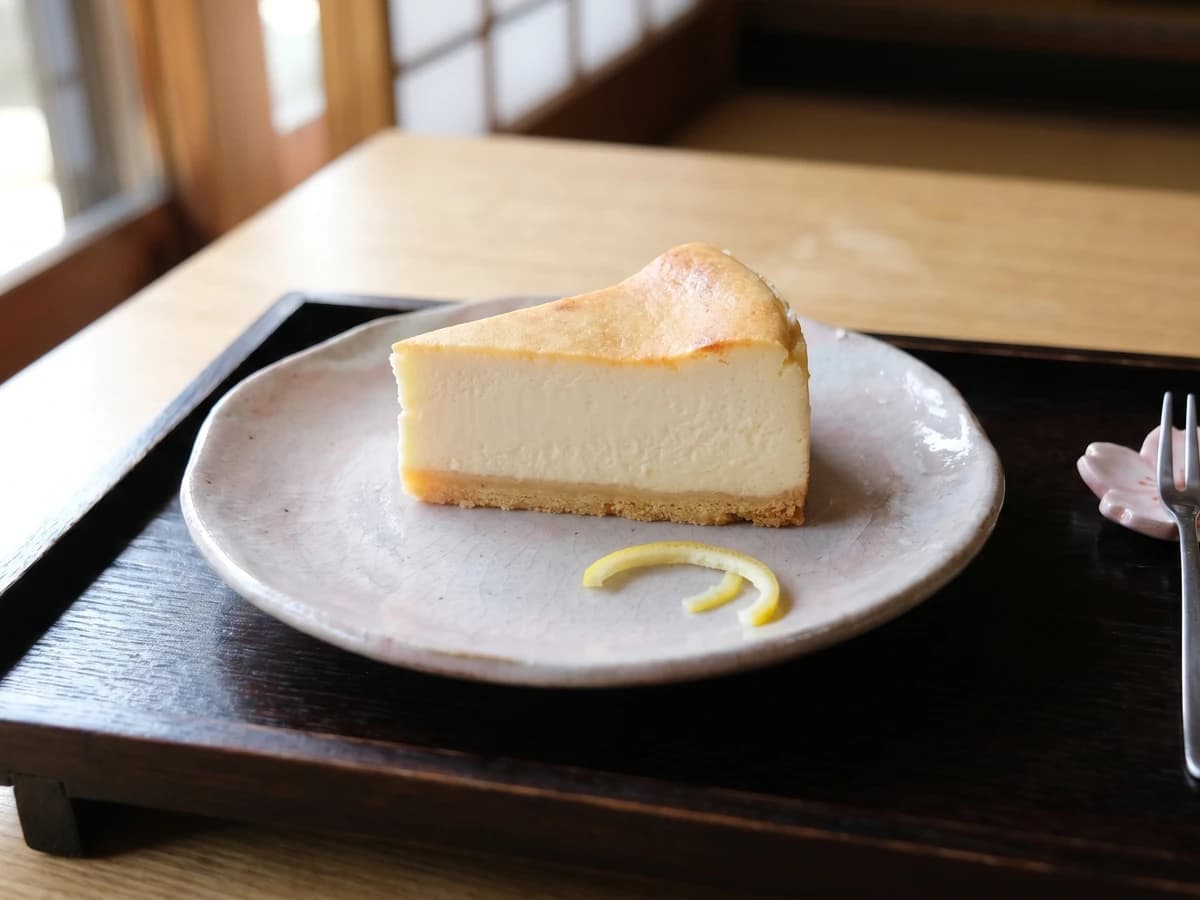
A Japanese baked cheesecake is not trying to float away. It is dense, smooth, and quietly tart, with a clean slice doing the work of decoration.