Chef Ally
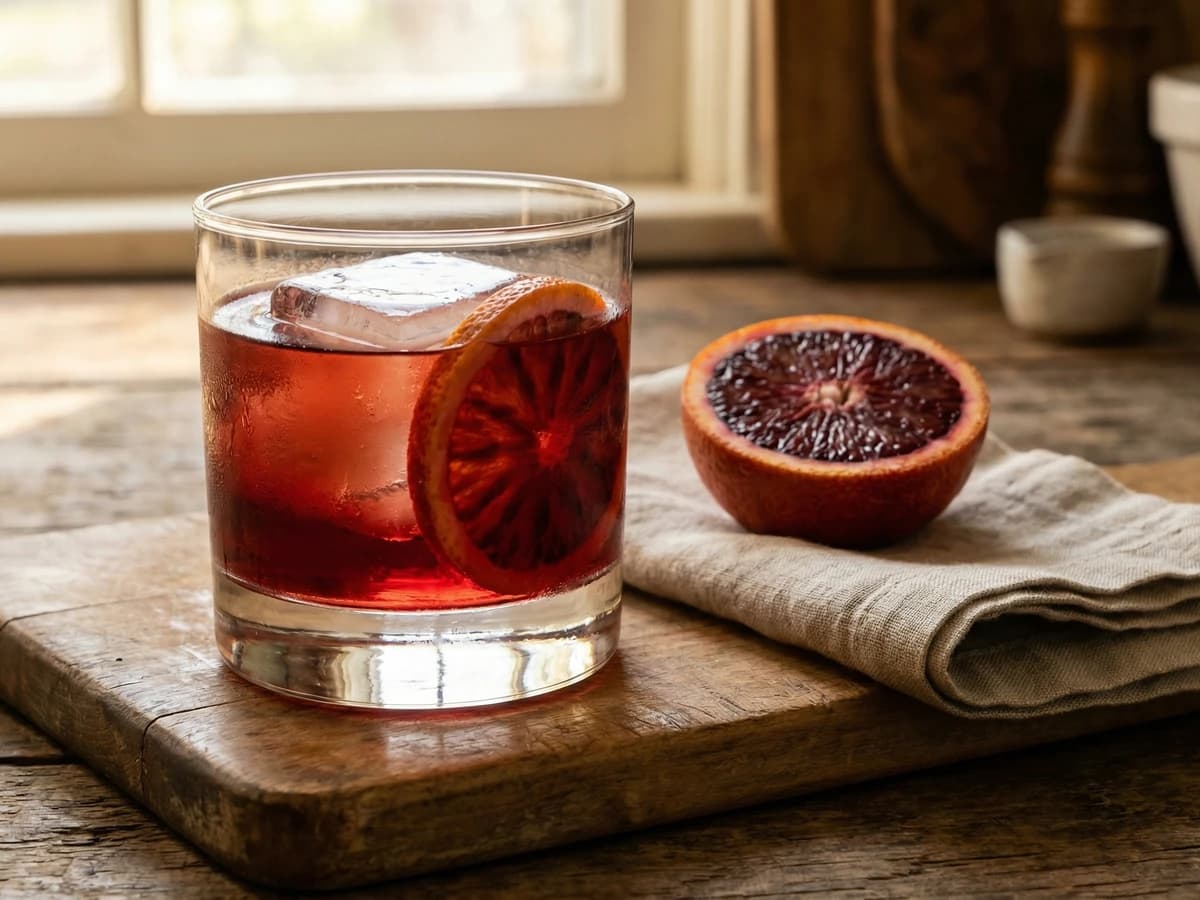
Blood Orange Negroni
The classic Italian aperitivo transformed by winter's most dramatic citrus, a ruby-hued drink that balances bitter Campari with the sweet-tart complexity of blood oranges at their peak.
A cooking platform built around craft, culture, and the stories behind what we eat.

Created by
The Alpine aperitivo that swept through Northern Italy's wine bars, this effervescent marriage of dry Prosecco and delicate elderflower arrives fragrant with fresh mint, light as mountain air, and dangerously easy to drink on a warm afternoon.
The Hugo was born in the South Tyrol around 2005, created by a bartender named Roland Gruber who wanted something lighter than the ubiquitous Aperol Spritz. He reached for elderflower syrup, added Prosecco and mint, and accidentally invented the most refreshing aperitivo of the century. Within a decade it had conquered every patio and piazza from Bolzano to Bologna.
What makes the Hugo special is its restraint. Where the Aperol Spritz announces itself with bitter orange swagger, the Hugo whispers. The elderflower is subtle, almost honeyed, with floral notes that smell like late spring in a meadow. The mint lifts everything. The Prosecco provides structure and bubbles. Together they create something greater than their parts.
This is the drink I serve when friends gather on the porch as the afternoon softens into evening. It requires nothing more than good ingredients and cold glasses. The technique is simple. The result is civilized drinking at its finest.
Quantity
3 ounces (90ml)
well chilled
Quantity
1 1/2 ounces (45ml)
Quantity
1 ounce (30ml)
Quantity
6-8, plus a sprig for garnish
Quantity
1 thin wheel or wedge
Quantity
to fill glass
| Ingredient | Quantity |
|---|---|
| dry Proseccowell chilled | 3 ounces (90ml) |
| elderflower liqueur | 1 1/2 ounces (45ml) |
| sparkling water or club soda | 1 ounce (30ml) |
| fresh mint leaves | 6-8, plus a sprig for garnish |
| lime | 1 thin wheel or wedge |
| ice cubes | to fill glass |
Place a large wine glass or stemmed goblet in the freezer for at least five minutes. The Hugo deserves a proper vessel, something with room for ice and aromatics, with a bowl that captures the elderflower perfume as you raise it to your lips. A coupe is too shallow. A highball too narrow. The wine glass is traditional for good reason.
Take six to eight fresh mint leaves and gently clap them between your palms once or twice. You should smell the oils release immediately. Don't muddle or bruise them aggressively. You want the aromatic oils on the surface, not bitter compounds from crushed stems and torn cell walls. Drop the awakened leaves into your chilled glass.
Fill the glass two-thirds full with fresh ice cubes. Large cubes or spheres are preferable to small crushed ice, which melts quickly and dilutes your careful proportions. Pour the elderflower liqueur directly over the ice, letting it settle toward the bottom of the glass.
Pour the chilled Prosecco down the side of the tilted glass, the same way you'd pour beer to preserve carbonation. The bubbles carry the elderflower aroma upward. Watch it cascade over the ice and begin to integrate with the sweet liqueur below. This is the heart of the drink.
Add one ounce of sparkling water to lengthen the drink and soften its sweetness. Give everything one gentle stir with a bar spoon or long handle of a wooden spoon, lifting from the bottom to integrate the elderflower without destroying the effervescence. Two revolutions. No more.
Tuck a thin lime wheel against the inside of the glass where it will be visible. Slap a fresh mint sprig once against your palm and nestle it into the ice so it rises above the drink's surface. The mint should practically brush your nose with each sip. Serve immediately while the bubbles still dance and the glass frosts with condensation.
1 serving (about 165g)
Culinary guides, cultural storytelling, and the editorial depth that makes cooking meaningful.
Discover Culinary ExplorerChef Ally
The classic Italian aperitivo transformed by winter's most dramatic citrus, a ruby-hued drink that balances bitter Campari with the sweet-tart complexity of blood oranges at their peak.

Chef Dean
The Italian affogato transformed into something you can linger over: hot espresso cascading over frozen vanilla ice cream, the temperatures colliding in your glass, creating a drink that is part dessert, part coffee, and entirely irresistible.

Chef Dean
The perfect marriage of caffeine and cocktail culture: freshly pulled espresso shaken cold with vodka and coffee liqueur until a silken crema crowns the glass, demanding to be sipped slowly at the end of a proper meal.

Chef Dean
Venice's iconic sunset-colored aperitivo reimagined as a frozen summer cocktail, blended to slushy perfection with prosecco, fresh orange, and just enough fizz to remind you this is still a proper spritz.