
Chef Ally
Beurre Blanc
The Loire Valley's gift to home cooks: cold butter whisked into wine and shallots until it transforms into something silky, bright, and impossibly rich. Perfect simplicity.
A cooking platform built around craft, culture, and the stories behind what we eat.
Created by
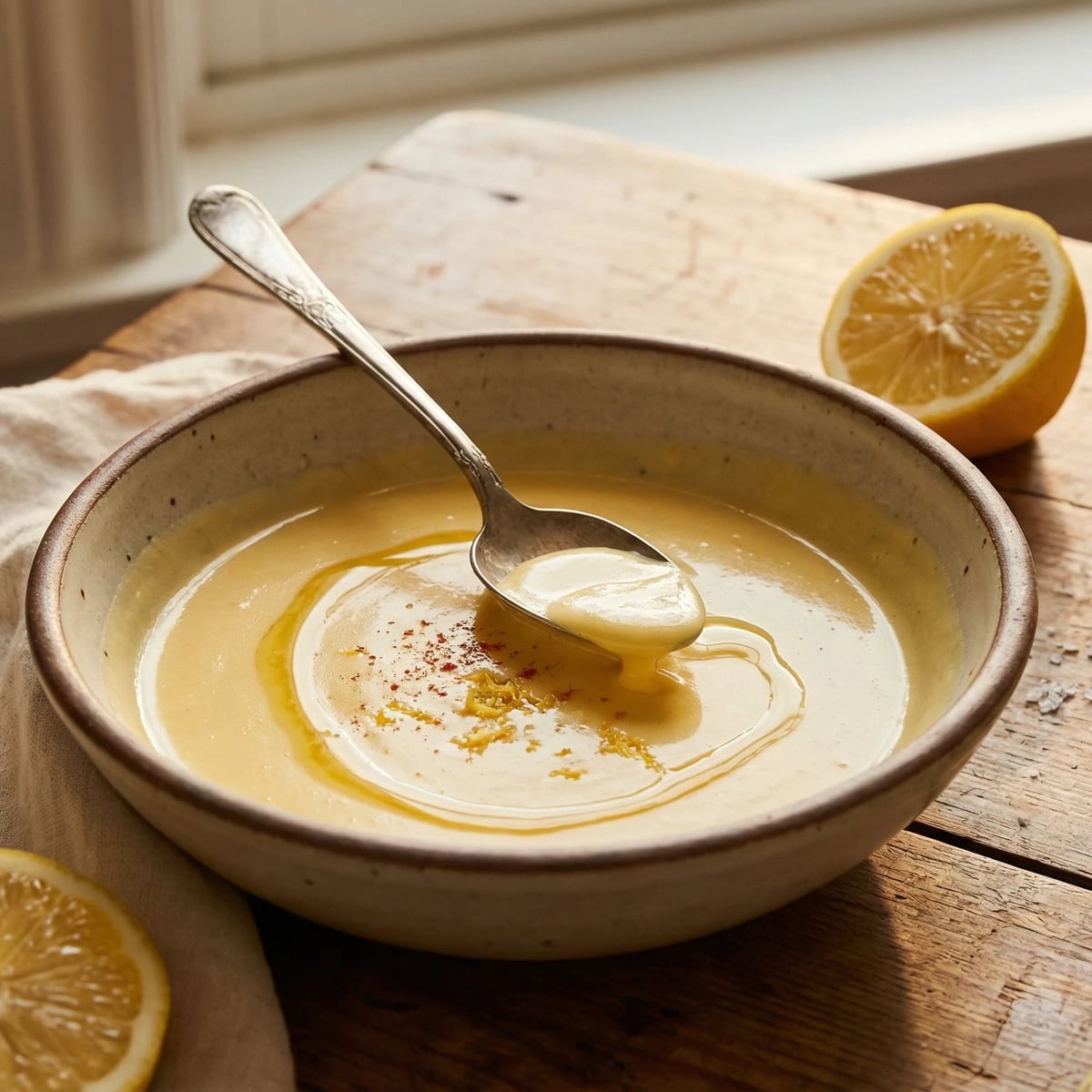
Rich egg yolks and sweet butter brought together with gentle heat and a squeeze of lemon, the mother sauce that reminds us why perfect ingredients need almost nothing done to them.
Start with the eggs. They should come from hens that scratch in pastures and eat what hens are meant to eat. You will know them by their deep orange yolks, the color of marigolds. These yolks have flavor that supermarket eggs cannot touch, and they make hollandaise worth the effort.
The butter matters just as much. Find a cultured, European-style butter with high butterfat content. It should smell sweet and faintly tangy, like fresh cream left to ripen. Melt it slowly and you release its full character into the sauce.
Hollandaise has a reputation for being difficult. It is not. It asks only for attention and gentle heat. You are coaxing egg yolks to hold melted butter in suspension, creating something silky and rich that tastes of nothing but what went into it. The technique exists to honor the ingredients, not the other way around.
Every meal is a meaningful choice. The eggs you buy support a farmer. The butter you choose reflects a tradition. When you make hollandaise from ingredients this good, you understand why it became a mother sauce. You are not following a recipe so much as continuing a conversation between cook and land that has gone on for centuries.
Quantity
3
preferably from pasture-raised hens
Quantity
1 tablespoon
Quantity
1/2 pound (2 sticks)
preferably European-style
Quantity
1 tablespoon, plus more to taste
Quantity
1/4 teaspoon
Quantity
pinch
| Ingredient | Quantity |
|---|---|
| large egg yolkspreferably from pasture-raised hens | 3 |
| cold water | 1 tablespoon |
| unsalted butterpreferably European-style | 1/2 pound (2 sticks) |
| fresh lemon juice | 1 tablespoon, plus more to taste |
| fine sea salt | 1/4 teaspoon |
| cayenne pepper | pinch |
Cut the butter into pieces and melt it in a small saucepan over low heat. Do not rush this. As the butter melts, the milk solids will sink and the foam will rise. You want the golden liquid between them. Keep the butter warm but not hot. If you cannot comfortably hold your finger in it, let it cool. Too much heat will cook your yolks instead of emulsifying them.
Bring an inch of water to a bare simmer in a saucepan. The water should steam but not boil vigorously. Set a heatproof bowl over the pan, making sure the bottom does not touch the water. This gentle, indirect heat is what makes hollandaise forgiving.
Add the egg yolks and cold water to the bowl. Whisk constantly until the mixture turns pale and thickens enough to see the bottom of the bowl between strokes, about two to three minutes. The yolks should feel warm to the touch but never hot. If they start to look grainy, pull the bowl off the heat immediately and whisk in a splash of cold water.
Remove the bowl from heat. Begin adding the warm butter in a thin, steady stream, whisking constantly. Go slowly at first, just a few drops, until the sauce begins to thicken and emulsify. As it comes together, you can add butter more quickly. The sauce should be thick enough to coat a spoon, glossy and pale yellow. Leave the milky solids at the bottom of the butter pan or include them for deeper flavor.
Whisk in the lemon juice, salt, and cayenne. Taste. The lemon should brighten without making the sauce acidic. The salt should bring the butter and eggs forward. Adjust until the sauce tastes balanced and alive. If it seems too thick, whisk in a few drops of warm water.
Hollandaise waits for nothing. Serve it immediately over poached eggs, steamed asparagus, or grilled fish. If you must hold it briefly, set the bowl over barely warm water and whisk occasionally. It will thicken as it cools and break if it gets too hot. The window is small, which is part of its charm. Good things often require our full attention.
1 serving (about 38g)
Culinary guides, cultural storytelling, and the editorial depth that makes cooking meaningful.
Discover Culinary Explorer
Chef Ally
The Loire Valley's gift to home cooks: cold butter whisked into wine and shallots until it transforms into something silky, bright, and impossibly rich. Perfect simplicity.

Chef Ally
A quiet, refined vinaigrette built on the delicate acidity of champagne vinegar, soft enough for butter lettuces and elegant enough for your best dinner party, yet simple enough for any Tuesday.

Chef Ally
A silky white sauce of butter, flour, and milk, perfumed with nutmeg and made honest by the quality of your dairy. This is the foundation upon which a hundred dishes rest.

Chef Dean
A glossy, deeply savory pan sauce built from caramelized mushrooms and shallots, finished with cream and fresh thyme. This is the sauce that transforms a Tuesday pork chop into something worth remembering.