Chef Dean
Antipasto Skewers
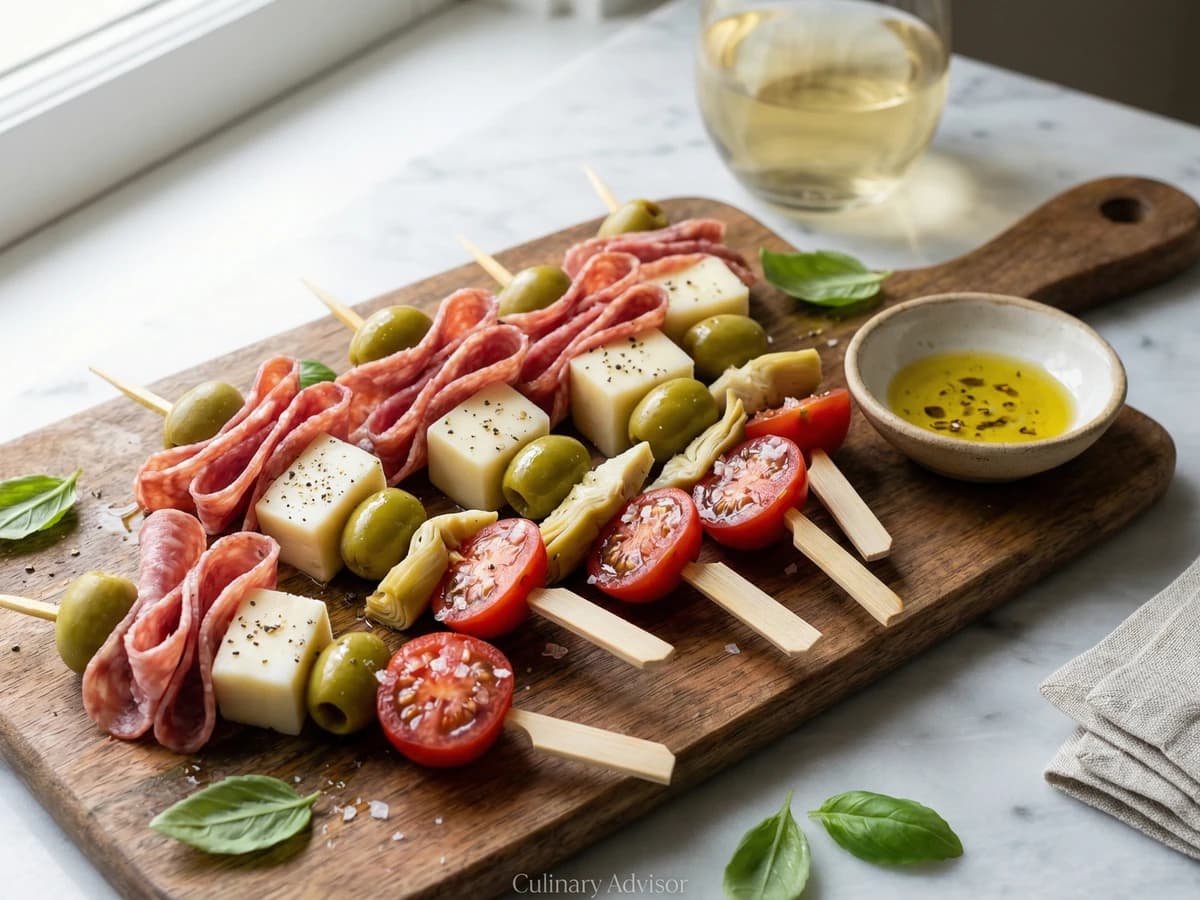
The abundance of an Italian antipasto platter captured on a single pick: folded salami, sharp provolone, briny olives, and tender artichoke hearts, finished with fresh basil and a bright olive oil drizzle.
A cooking platform built around craft, culture, and the stories behind what we eat.

Created by
Sun-ripened heirloom tomatoes piled on charred sourdough, fragrant with torn basil and raw garlic. This is summer on a plate, honest and unapologetic, ready in minutes but worthy of your best company.
Bruschetta began as peasant food in central Italy. Workers would grill stale bread over open flame, rub it with garlic, and drizzle whatever oil they had. The tomato came later, after the New World gift finally found acceptance in European kitchens. What started as sustenance became celebration.
In America, we've embraced this dish with the same enthusiasm we bring to everything Italian. But too often I see bruschetta made with mealy supermarket tomatoes, dried herbs from a jar, bread that bends instead of shatters. This misses the point entirely. Bruschetta exists to showcase ingredients at their peak. If your tomatoes aren't worth eating raw, with nothing but salt, they aren't worth putting on bread.
Seek out heirlooms at your farmers market. Cherokee Purples with their dusky shoulders. Brandywines heavy as softballs. Green Zebras striped like summer itself. The ugly ones taste best. Cut them open and smell that green, almost metallic sweetness that only comes from tomatoes grown in actual soil, picked when the vine says ready rather than when the shipping schedule demands.
This is the dish I make when friends arrive unannounced on a July evening. It comes together in fifteen minutes. The grill does most of the work. What remains is assembly, timing, and the confidence to let perfect ingredients speak without interruption.
Quantity
2 pounds
Quantity
1/2 cup
loosely packed
Quantity
3 cloves
divided
Quantity
1/4 cup, plus more for brushing
Quantity
1 tablespoon
Quantity
1 teaspoon, plus more for finishing
Quantity
1/2 teaspoon
Quantity
1 large
cut into 1/2-inch slices
| Ingredient | Quantity |
|---|---|
| heirloom tomatoes, mixed varieties | 2 pounds |
| fresh basil leavesloosely packed | 1/2 cup |
| garlicdivided | 3 cloves |
| extra-virgin olive oil | 1/4 cup, plus more for brushing |
| balsamic vinegar | 1 tablespoon |
| flaky sea salt | 1 teaspoon, plus more for finishing |
| freshly ground black pepper | 1/2 teaspoon |
| sourdough loafcut into 1/2-inch slices | 1 large |
Core your heirlooms and cut them into rough half-inch dice. Don't fuss over uniformity. Irregular pieces catch more dressing and create visual interest. Transfer to a colander set over a bowl and sprinkle with the teaspoon of salt. Let them drain for ten minutes while you prepare everything else. This step removes excess moisture that would otherwise make your bread soggy. Save that rosy liquid in the bowl. It's pure tomato essence, perfect for vinaigrettes or drinking straight.
Mince one clove of garlic finely. You want it almost paste-like so it distributes evenly. Transfer drained tomatoes to a mixing bowl and add the minced garlic, olive oil, and balsamic vinegar. Grind in the black pepper. Tear the basil leaves by hand directly over the bowl. Tearing releases more aromatic oils than cutting and prevents the edges from bruising black. Toss gently. The mixture should glisten. Taste it. Adjust salt if needed. Set aside at room temperature while you grill the bread.
Heat your grill to medium-high, or set a grill pan over high heat until it smokes slightly. Brush both sides of each bread slice with olive oil. Grill for about ninety seconds per side, rotating halfway through for crosshatch marks if the spirit moves you. You want deep golden char on the ridges while the interior stays slightly chewy. The bread should crackle when you press it. Work in batches if needed. Stack finished slices on a platter.
Cut the remaining two garlic cloves in half crosswise. While the bread is still warm, rub the cut side of a garlic half vigorously across the surface of each slice. The toasted bread acts like a grater, pulverizing the garlic and leaving behind its oils. One clove half handles about four slices before it wears down. This raw garlic bite is essential. Don't skip it. Don't substitute garlic powder. The heat from the bread tempers the garlic's harshness just enough.
Spoon the tomato mixture generously onto each bread slice just before serving. Don't be timid. Pile it high. Some will tumble off when guests bite in. That's part of the experience. Finish each piece with a few flakes of sea salt and a thread of olive oil drizzled from height. Serve immediately while the bread still has its crunch. Once topped, you have about ten minutes before the juices soften the toast. This is food that demands to be eaten now, standing around the grill with a glass of cold white wine in the other hand.
1 serving (about 155g)
Culinary guides, cultural storytelling, and the editorial depth that makes cooking meaningful.
Discover Culinary ExplorerChef Dean
The abundance of an Italian antipasto platter captured on a single pick: folded salami, sharp provolone, briny olives, and tender artichoke hearts, finished with fresh basil and a bright olive oil drizzle.

Chef Dean
Shattering golden shells give way to creamy risotto and stretchy mozzarella centers, served with a bright, garlicky marinara that cuts through the richness. Sicilian street food elevated to dinner party status.

Chef Ally
A warm Piedmontese bath of melted garlic, butter, and anchovies for dipping whatever the market offers today. Communal, primal, and impossible to stop eating.

Chef Dean
Silky slices of raw beef tenderloin dressed in the Venetian style with extra-virgin olive oil, bright lemon, peppery arugula, and snow-white shards of aged Parmesan. This is elegance that requires no cooking at all.