
Chef Ally
Braised Lamb Shanks with Red Wine
Lamb shanks surrendered to red wine and aromatics until the meat falls from the bone, yielding a sauce so rich and glossy it makes the case for slow cooking better than any words could.
A cooking platform built around craft, culture, and the stories behind what we eat.

Created by
Golden saffron rice crowned with Gulf shrimp and smoky Spanish chorizo, cooked over live fire until the bottom forms that coveted crispy socarrat crust. This is summer entertaining at its most generous and spectacular.
Paella belongs outdoors. The Valencian farmers who invented this dish cooked it over wood fires in the fields, and that instinct was correct. Something happens when rice meets open flame that no stovetop can replicate. The smoke curls into the grains. The heat surrounds the pan from all sides. And that socarrat, the caramelized crust at the bottom that separates good paella from great, forms with a conviction that indoor cooking simply cannot match.
I've watched American cooks tie themselves in knots over paella, treating it like some impossible culinary feat requiring imported pans and obscure ingredients. Nonsense. The technique is straightforward: build flavor in layers, add your liquid, resist the urge to stir, and listen for the crackle that tells you the bottom is crisping. Your backyard grill provides everything you need.
The combination here honors both Spanish tradition and American abundance. Gulf shrimp from the warm waters of Louisiana and Texas, plump and sweet. Spanish chorizo, cured and smoky, sliced into coins that render their fat into the rice. Saffron threads blooming in warm broth, painting everything that glorious sunset gold. This is food meant to be eaten outdoors with people you love, straight from the pan, with cold drinks and long conversations stretching into dusk.
Don't let anyone tell you paella is fussy. It rewards attention but punishes anxiety. Trust your senses. When the rice smells toasted and you hear that gentle crackling beneath, you've arrived somewhere worth going.
Quantity
1 1/2 pounds
Quantity
8 ounces
sliced into 1/4-inch coins
Quantity
2 cups
Quantity
4 cups
warmed
Quantity
1/2 cup
Quantity
1/2 teaspoon
Quantity
1 medium
finely diced
Quantity
1
cut into strips
Quantity
4 cloves
minced
Quantity
1 can (14 ounces)
Quantity
1 teaspoon
Quantity
1/2 cup
thawed
Quantity
3 tablespoons
Quantity
1
cut into wedges
Quantity
for garnish
roughly chopped
Quantity
to taste
Quantity
to taste
| Ingredient | Quantity |
|---|---|
| large Gulf shrimp (21-25 count), shell-on | 1 1/2 pounds |
| Spanish chorizosliced into 1/4-inch coins | 8 ounces |
| bomba or medium-grain rice | 2 cups |
| chicken stockwarmed | 4 cups |
| dry white wine | 1/2 cup |
| saffron threads | 1/2 teaspoon |
| yellow onionfinely diced | 1 medium |
| red bell peppercut into strips | 1 |
| garlicminced | 4 cloves |
| crushed San Marzano tomatoes | 1 can (14 ounces) |
| smoked paprika | 1 teaspoon |
| frozen peasthawed | 1/2 cup |
| extra-virgin olive oil | 3 tablespoons |
| lemoncut into wedges | 1 |
| fresh flat-leaf parsley (optional)roughly chopped | for garnish |
| kosher salt | to taste |
| freshly ground black pepper | to taste |
Warm your chicken stock in a saucepan until steaming. Add the saffron threads and let them steep for at least 15 minutes while you prepare everything else. The liquid should turn deep gold, almost amber. This is where your paella gets its soul. Saffron needs time and warmth to release its color and that distinct honey-metallic flavor. Rushing this step cheats everything that follows.
Set up your grill for medium-high heat, around 400 to 450 degrees. You want consistent, even heat across the cooking surface. While the grill heats, season your shrimp generously with salt, pepper, and a drizzle of olive oil. Leave those shells on. They protect the meat from the fierce heat and add flavor to the pan as they cook. Toss to coat and set aside.
Place your paella pan directly on the grill grates. Add two tablespoons of olive oil and the chorizo coins. Let them sizzle undisturbed for two minutes until the edges crisp and the fat begins to render, staining the oil a beautiful brick red. Flip once and cook another minute. The smell should be intoxicating: smoky, garlicky, slightly sweet from the paprika in the sausage. Transfer the chorizo to a plate, leaving all that precious fat behind.
Add the onion and bell pepper to the chorizo fat. Cook, stirring occasionally, until softened and beginning to caramelize at the edges, about five minutes. The vegetables should hiss and pop in the hot fat. Add the garlic and cook for thirty seconds until fragrant. You'll smell it change from raw and sharp to sweet and mellow. Stir in the crushed tomatoes and smoked paprika. Let this mixture cook down until it thickens and darkens slightly, another three to four minutes. This concentrated base is called sofrito, and it provides the flavor foundation for everything.
Pour the rice into the pan and stir to coat every grain with the sofrito. Spread it into an even layer and let it toast for two minutes without stirring. You want to hear a faint crackling sound as the rice makes contact with the hot pan. This step builds nuttiness and helps each grain stay distinct rather than turning to mush. The rice should glisten with oil and take on the red-gold color of the tomato mixture.
Pour in the wine and let it bubble furiously for thirty seconds, scraping up any browned bits stuck to the pan. Add the saffron-infused stock and stir once, just once, to distribute the rice evenly. Season with salt. From this moment forward, you do not touch the rice. No stirring. No fussing. No anxious peeking underneath. Let the grill do its work. The liquid should simmer steadily but not boil violently. Adjust your grill vents if needed to maintain medium heat.
Let the paella cook for 15 minutes. The liquid will gradually absorb into the rice. You'll notice the surface change from soupy to dimpled as moisture disappears. Resist every urge to stir. Paella is not risotto. Agitation breaks down the starch and creates gumminess. The grains should remain separate, each one plump and intact. Around the 12 minute mark, scatter the peas across the surface and nestle the reserved chorizo coins back into the rice.
Arrange the seasoned shrimp in a single layer across the top of the rice, pressing them gently so they're half-submerged. They should sizzle on contact. Continue cooking for another six to eight minutes until the shrimp turn pink and curl into loose C-shapes. If they curl into tight O's, they're overcooked. The shells will take on some char from the grill heat, which adds a subtle smokiness to the meat inside.
This is the moment that separates cooks who understand paella from those who merely follow recipes. Increase the heat by opening your grill vents fully or adding more charcoal. Listen. You're waiting for a faint crackling sound from the bottom of the pan, like distant applause. Lean close if you must. When you hear it, cook for two more minutes, then remove from heat. The bottom layer of rice should be golden-brown and crispy, releasing easily when scraped with a spoon. This is the socarrat, the prize, and you've earned it.
Cover the pan loosely with foil and let it rest for five minutes. This allows residual heat to finish any stubborn grains and makes serving easier. Uncover, scatter the parsley generously across the top, and arrange the lemon wedges around the edges. Bring the pan directly to the table. Paella is communal food. People should serve themselves from the pan, scraping down to find pieces of that treasured socarrat. Squeeze lemon over individual portions and eat without ceremony.
1 serving (about 380g)
Culinary guides, cultural storytelling, and the editorial depth that makes cooking meaningful.
Discover Culinary ExplorerChef Ally
Lamb shanks surrendered to red wine and aromatics until the meat falls from the bone, yielding a sauce so rich and glossy it makes the case for slow cooking better than any words could.

Chef Ally
A whole bird pressed flat against the heat, skin lacquered gold and fragrant with lemon and garden herbs, the meat beneath staying impossibly juicy because the cooking is fast and even.

Chef Ally
Chewy farro piled high with charred summer vegetables, crispy spiced chickpeas, briny olives, and creamy feta, all brought together with a bright tahini dressing that makes you want to lick the bowl clean.
Chef Ally
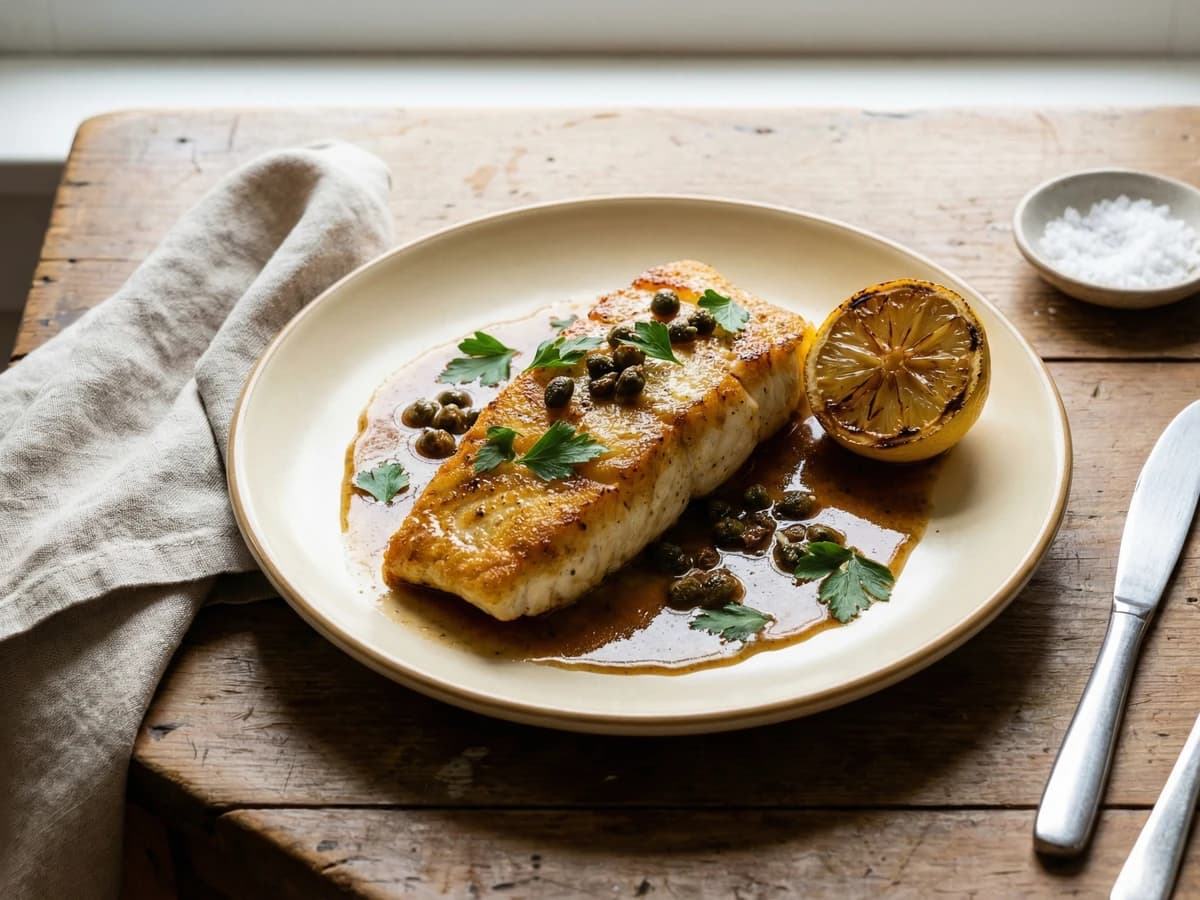
Wild halibut seared until the crust shatters and the flesh stays silky, finished with nutty brown butter, briny capers, and a bright squeeze of lemon that cuts through the richness like morning light.