
Chef Ally
Creamy Polenta
Stone-ground cornmeal cooked low and slow until it becomes silk, then finished with cold butter and aged Parmesan. The kind of simple dish that asks for your full attention and rewards every minute of stirring.
A cooking platform built around craft, culture, and the stories behind what we eat.
Created by
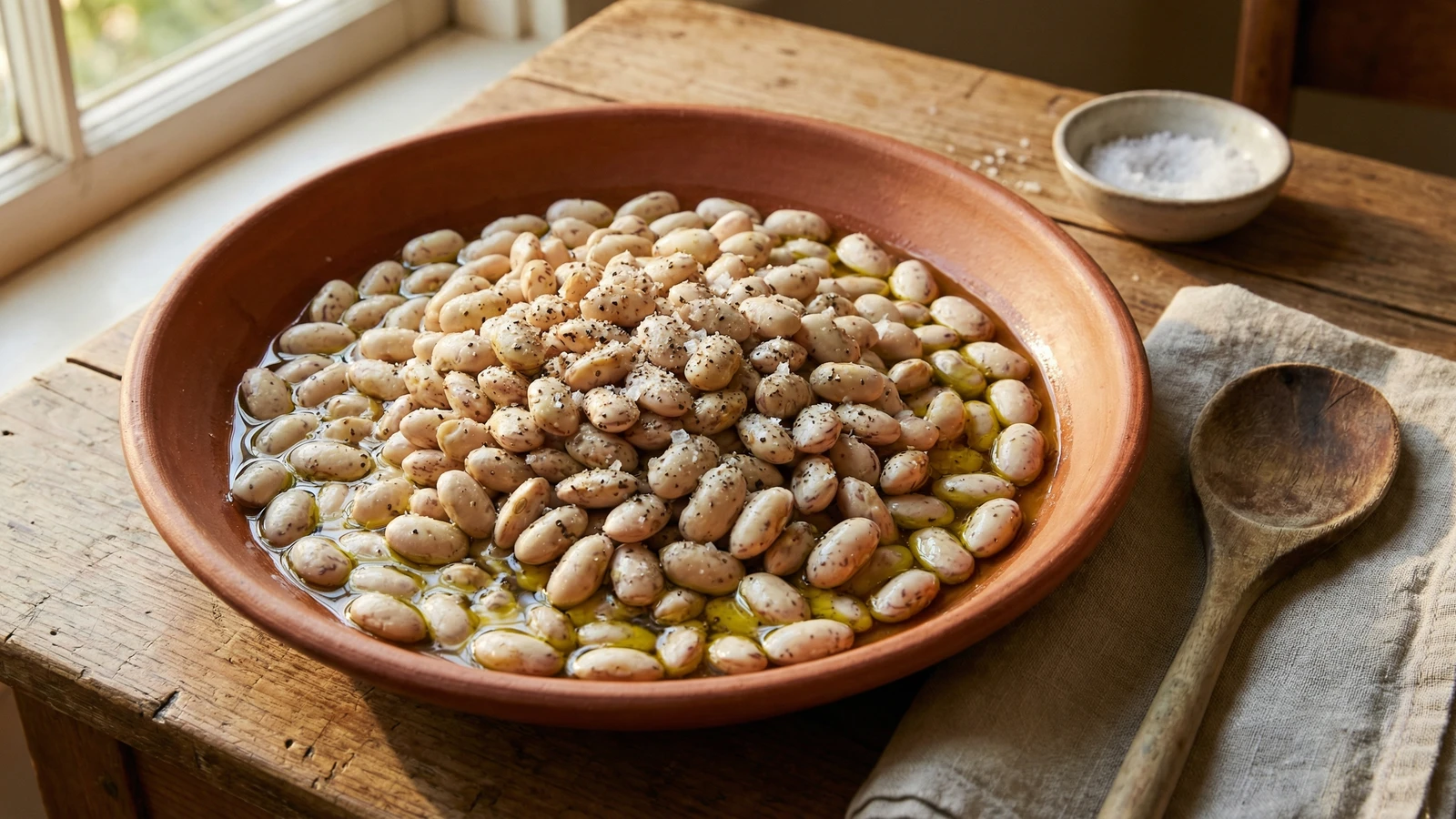
Late summer shell beans, shelled by hand and cooked gently until impossibly creamy, dressed with nothing but your finest olive oil and sea salt, a dish that proves the best cooking is often the least.
Fresh shell beans appear at the farmers market for a few weeks in late summer and early fall. They arrive in their pods, speckled and beautiful, and they vanish before you know to look for them. This is the window. Do not miss it.
These are not dried beans. They have never been dried. They come to you plump and tender, full of the moisture they absorbed while growing on the vine. They cook in a fraction of the time and yield a creaminess that no amount of soaking can replicate in their dried cousins.
The dish itself is almost nothing. You shell the beans, simmer them gently with aromatics, then dress them with good olive oil and salt. That is all. But when the beans are right and the oil is real, this simplicity becomes something profound. Every meal is a meaningful choice, and this one says: I found something alive and perfect, and I did not get in its way.
Quantity
3 pounds
cranberry beans, flageolets, or cannellini
Quantity
1
peeled and halved
Quantity
4
smashed
Quantity
2
Quantity
4 sprigs
Quantity
1/4 cup, plus more for serving
Quantity
to taste
Quantity
to taste
freshly cracked
| Ingredient | Quantity |
|---|---|
| fresh shell beans in podscranberry beans, flageolets, or cannellini | 3 pounds |
| small yellow onionpeeled and halved | 1 |
| garlic clovessmashed | 4 |
| bay leaves | 2 |
| fresh thyme | 4 sprigs |
| best-quality extra-virgin olive oil | 1/4 cup, plus more for serving |
| fine sea salt | to taste |
| black pepperfreshly cracked | to taste |
Sit down with your bowl of pods and begin shelling. This takes time. It is not wasted time. Run your thumb along the seam to split each pod and let the beans tumble out. Notice how they feel: firm, plump, slightly waxy. Fresh shell beans have a presence that dried beans cannot match. You should end up with about three cups of shelled beans.
Place the shelled beans in a heavy pot. Add the halved onion, smashed garlic, bay leaves, and thyme. Cover with cold water by about two inches. Do not add salt yet. Salt added too early can toughen the skins.
Set the pot over medium heat and bring to a simmer. You want lazy bubbles, not a rolling boil. A boil breaks the beans apart and turns the cooking liquid cloudy. Reduce the heat until you see only occasional bubbles rising to the surface.
Let the beans cook undisturbed for thirty to forty-five minutes, depending on their size and freshness. They are done when completely tender and creamy throughout, with no chalky center. Taste one. Then taste another. The bean should yield to your teeth without resistance, and the texture should be almost buttery.
When the beans are tender, add a generous pinch of sea salt and turn off the heat. Let them rest in their cooking liquid for ten minutes. This allows the salt to penetrate and the beans to absorb more of their brothy liquor. They will become even creamier as they rest.
Remove the onion, garlic, bay leaves, and thyme. Drain the beans, but save that cooking liquid: it is liquid gold for soup or risotto. Transfer the warm beans to a shallow serving bowl. Drizzle generously with your finest olive oil. The oil should pool in the curves of the beans and shine. Add another pinch of salt, a few cracks of black pepper. Serve warm or at room temperature.
1 serving (about 150g)
Culinary guides, cultural storytelling, and the editorial depth that makes cooking meaningful.
Discover Culinary ExplorerChef Ally
Stone-ground cornmeal cooked low and slow until it becomes silk, then finished with cold butter and aged Parmesan. The kind of simple dish that asks for your full attention and rewards every minute of stirring.
Chef Ally
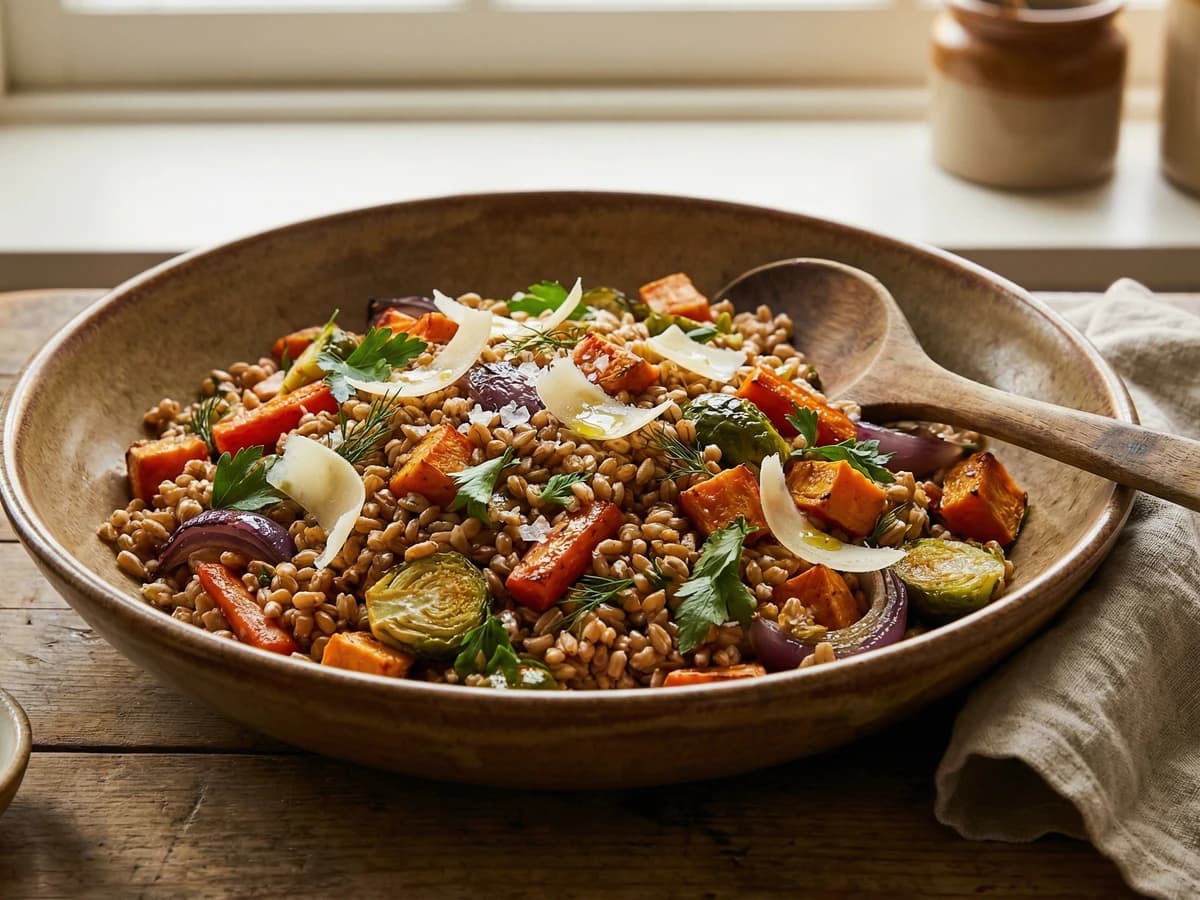
Chewy ancient grain tossed with whatever the market offers at its peak, dressed simply with good olive oil, bright acid, and herbs that still smell like the garden.

Chef Ally
A simple act of faith in whatever the market offers: sturdy greens wilted quickly in good olive oil with sliced garlic, finished with sea salt and a squeeze of lemon. Nothing more, nothing hidden.

Chef Ally
Stone-ground polenta, chilled and sliced, kissed by fire until the edges char and the center turns creamy. Fresh herbs from the garden pressed into the surface become fragrant and almost crisp.