
Chef Graziella
Carciofi alla Giudia
The legendary fried artichokes of Rome's Jewish quarter, each leaf crisp enough to shatter between your teeth, the heart tender as butter. Four ingredients. Technique is everything.
A cooking platform built around craft, culture, and the stories behind what we eat.

Created by
Rome's beloved fried zucchini blossoms, stuffed with mozzarella that stretches and anchovy that provides salt and depth. A fleeting summer pleasure that rewards those who seek out perfect ingredients.
Fiori di zucca appear in Roman markets for a brief window in early summer. Smart cooks know to arrive early, when the blossoms are still tight and fresh from the morning harvest. By afternoon, they have begun to wilt, and a wilted blossom is not worth frying.
The Roman filling is mozzarella and anchovy. Not mozzarella alone, which some restaurants serve to timid tourists. The anchovy is essential. It melts into the cheese as it fries, providing salt and a depth of flavor that the dish cannot achieve otherwise. If you think you do not like anchovies, you have never had them disappear into something this elegant.
The batter must be thin, cold, and barely mixed. Americans ruin fried foods with thick, bready coatings that taste like dough. Roman batter is a veil, not a blanket. It shatters when you bite through it, revealing the tender blossom and the molten filling within. What you keep out is as significant as what you put in.
Fried zucchini blossoms belong to a broader Roman tradition of fritto that stretches back centuries, influenced significantly by the cucina ebraico-romanesca of the Jewish Ghetto, where frying techniques were refined to an art. The combination of mozzarella and anchovy became the definitive Roman filling by the mid-20th century, distinguishing it from Neapolitan versions that use ricotta.
Quantity
12
male flowers preferred
Quantity
6 ounces
cut into 12 small batons
Quantity
6
halved lengthwise
Quantity
1 cup
Quantity
1/2 cup
ice-cold
Quantity
1/4 cup
ice-cold
Quantity
1 large
Quantity
1/4 teaspoon
Quantity
about 4 cups
for frying
Quantity
for finishing
| Ingredient | Quantity |
|---|---|
| fresh zucchini blossomsmale flowers preferred | 12 |
| fresh mozzarellacut into 12 small batons | 6 ounces |
| anchovy filletshalved lengthwise | 6 |
| all-purpose flour | 1 cup |
| sparkling waterice-cold | 1/2 cup |
| still waterice-cold | 1/4 cup |
| egg yolk | 1 large |
| fine sea salt | 1/4 teaspoon |
| vegetable oil or light olive oilfor frying | about 4 cups |
| flaky sea salt | for finishing |
Handle the blossoms with care. They are as fragile as tissue paper. Gently open each flower and remove the pistil from the center, that pale spike that would otherwise create an unpleasant texture. Check inside for any insects that may have taken residence. Do not wash the blossoms unless absolutely necessary. If you must, dab them dry with extreme gentleness. A wet blossom will not fry properly.
Into each prepared blossom, slip one baton of mozzarella and one half of an anchovy fillet. The mozzarella should be about the size of your little finger. The anchovy should run alongside it. Gently twist the tips of the petals together to close the flower. Do not fuss excessively. The batter will seal everything.
Place the flour in a bowl. Make a well in the center. Add the egg yolk and the salt. Begin stirring from the center, gradually incorporating the flour. Pour in the ice-cold sparkling water and still water, whisking until you have a batter slightly thinner than heavy cream. It should coat a spoon but drip off easily. The batter must remain cold. Some lumps are acceptable. Do not overmix. Overworking develops gluten and creates heaviness.
Pour oil into a heavy pot or deep skillet to a depth of at least two inches. Heat over medium-high until the oil reaches 350 degrees Fahrenheit. Test by dropping a small bit of batter into the oil. It should sink briefly, then rise immediately and sizzle vigorously. If it sinks and stays down, the oil is not hot enough. If it browns instantly without rising, the oil is too hot.
Work in batches of three or four blossoms. Never crowd the pot, as this drops the oil temperature and produces greasy results. Hold each stuffed blossom by its stem, dip it into the batter, let the excess drip off for two seconds, then lower it gently into the hot oil. Fry until golden and crisp on all sides, turning once with a spider or slotted spoon. This takes two to three minutes per batch. The batter should be the color of old gold, not pale, not brown.
Transfer the fried blossoms to a wire rack set over a sheet pan. Do not use paper towels, which trap steam and soften the crust. Scatter flaky salt over the blossoms while they are still hot enough for the salt to adhere. Serve immediately. Within minutes, not an hour. A fried food that has sat is a fried food that has failed. Bring them to the table the moment the last batch is done, inviting your guests to begin while you finish frying.
1 serving (about 150g)
Culinary guides, cultural storytelling, and the editorial depth that makes cooking meaningful.
Discover Culinary ExplorerChef Graziella
The legendary fried artichokes of Rome's Jewish quarter, each leaf crisp enough to shatter between your teeth, the heart tender as butter. Four ingredients. Technique is everything.

Chef Graziella
Rome's springtime ritual: whole artichokes stuffed with mint and garlic, braised upside-down until the leaves pull away like butter. The technique is precise, the reward profound.
Chef Graziella
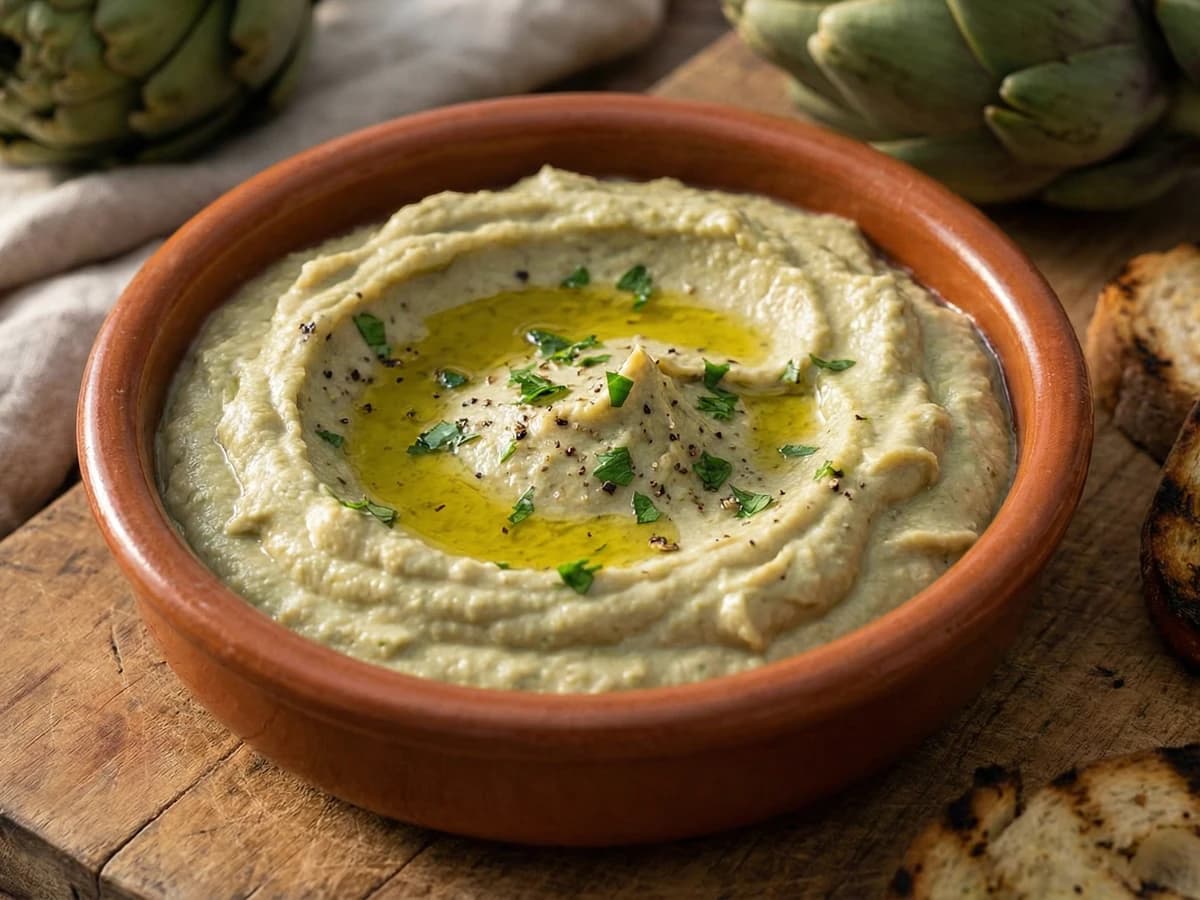
Roman artichokes pureed with sharp pecorino and bright lemon, spread onto warm bread or scooped with crisp vegetables. This is spring on the table.

Chef Graziella
Roman stuffed tomatoes, baked until the lids char and the rice drinks in every drop of summer. Served at room temperature, as tradition demands, these are the taste of August in Rome.