Chef Juliette
Ordinary Brioche Paste
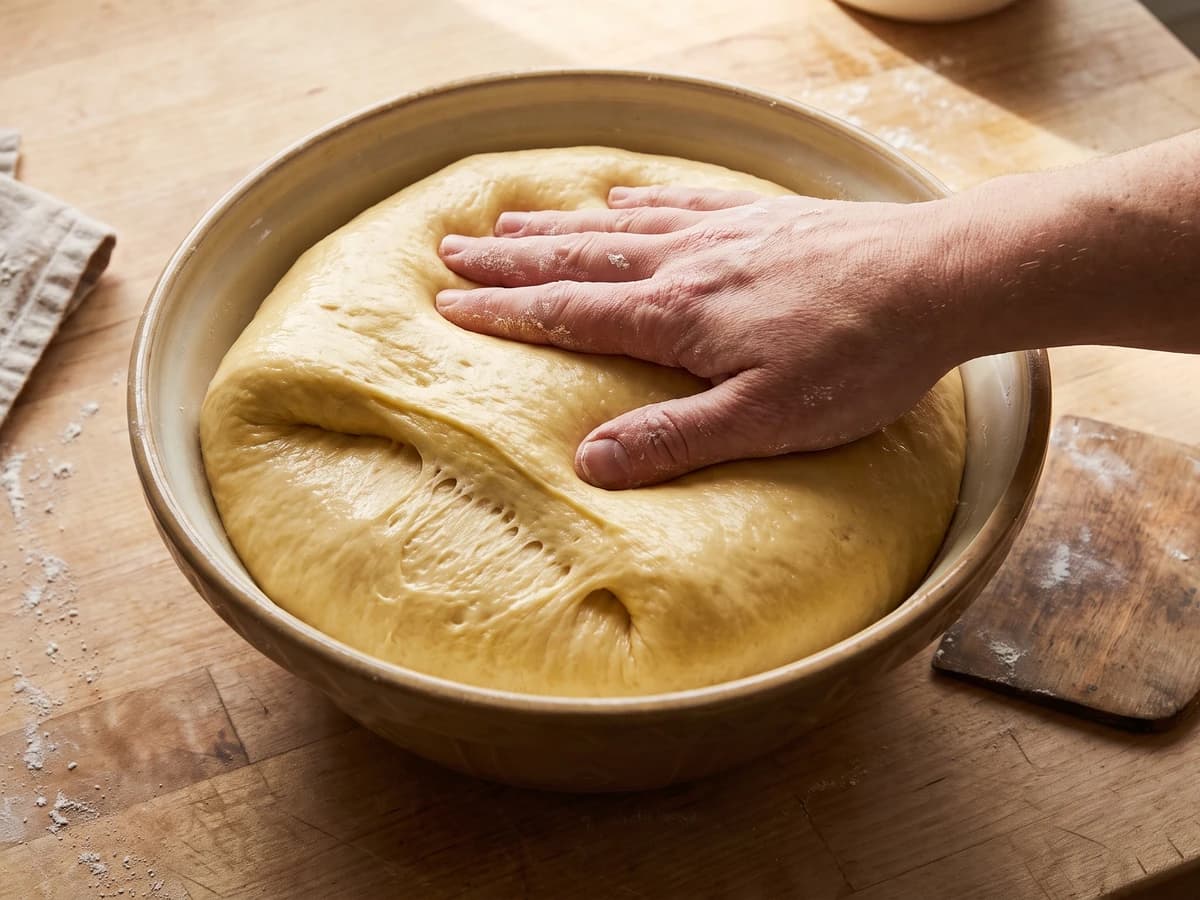
Pâte à brioche ordinaire teaches enriched dough properly: wake the leaven, build strength before the last egg, then work in pliable butter by stages and let one long fermentation do its quiet work.
A cooking platform built around craft, culture, and the stories behind what we eat.

Created by
A sweet, sturdy Tokelau coconut bread, rich with grated mature coconut and fresh cream, baked golden for tea, travel, and one more cousin at the table.
Pulaka comes first in Tokelau, the giant swamp-taro hauled from pits dug down into coral, because that root tells you where the people stand. The land is narrow, the lagoon is wide, and the pits are getting salty now, so every food that still comes from the island carries extra weight. Faikakai, this Tokelau coconut bread, sits in that same truth: simple flour from the barge, yes, but the coconut is from the tree, the cream is squeezed by hand, and the table still knows its own ground.
Tokelau is not Tuvalu, and Tuvalu is not Tokelau, even though both know the hard wisdom of coral soil, pulaka pits, pandanus, fish, toddy from the coconut flower, and the barge food that fills the gaps. Food on a barge is the wound. Feeding the island from its own ground is the repair. So here the coconut matters. Grate it fine, squeeze the cream if you can, and let that fat soften the dough until it bakes into a sweet, sturdy loaf for tea.
Across the Triangle the cousins answer in their own hands. Sāmoa has pani popo, soft buns baked in coconut sauce; Tonga has coconut breads and keke for the table; Hawaiʻi has sweet breads that came through later plantation kitchens, sitting beside older kalo and ʻulu foods. Same ocean, different bowl, and this one belongs to Tokelau.
I cook this open-handed, because Tokelau's deep table belongs first to Tokelau people and their elders. What I can give you is a kitchen version that respects the work: don't rush the rise, don't thin the coconut cream to nothing, and don't treat the loaf like decoration. Slice it thick. Eat what you have. Save some for tomorrow.
Tokelau's food world is shaped by three small coral atolls, Atafu, Nukunonu, and Fakaofo, where pulaka is grown in excavated pits below the freshwater lens and coconut, fish, pandanus, and toddy carry much of the daily table. Wheat flour, rice, sugar, and corned beef arrived through mission, trade, and shipping networks, and island cooks folded those goods into existing coconut-centered foodways instead of letting the older foods disappear. Faikakai shows that living middle ground: a contemporary bread made with imported flour, but given its Tokelau body by grated coconut and fresh coconut cream.
Quantity
3 cups
plus more for kneading
Quantity
1 cup
lightly packed
Quantity
1 cup
warm but not hot, or canned coconut cream
Quantity
2 1/4 teaspoons
Quantity
1/3 cup
Quantity
1 teaspoon
Quantity
2 tablespoons
Quantity
1
lightly beaten
Quantity
1/4 cup
use only if the dough needs it
Quantity
1 tablespoon
for brushing the top
| Ingredient | Quantity |
|---|---|
| all-purpose flourplus more for kneading | 3 cups |
| fresh grated mature coconutlightly packed | 1 cup |
| thick fresh coconut creamwarm but not hot, or canned coconut cream | 1 cup |
| active dry yeast | 2 1/4 teaspoons |
| sugar | 1/3 cup |
| fine sea salt | 1 teaspoon |
| coconut oil or softened butter | 2 tablespoons |
| large egglightly beaten | 1 |
| warm water (optional)use only if the dough needs it | 1/4 cup |
| coconut creamfor brushing the top | 1 tablespoon |
Stir the yeast into the warm coconut cream with a spoonful of the sugar and let it stand 5 to 10 minutes, until it looks creamy and alive. Warm means body-warm, not hot. If you scorch the yeast, no blame the dough.
In a wide bowl, mix the flour, grated coconut, remaining sugar, and salt. Add the foamy coconut cream, coconut oil or butter, and beaten egg, then stir until a shaggy dough comes together. It should feel soft and a little tacky from the coconut, not dry and stiff.
Turn the dough onto a lightly floured surface and knead 8 to 10 minutes, adding warm water a tablespoon at a time only if the dough feels tight. The grated coconut will make the dough a little rough under your palms at first, then it smooths out and starts to spring back. That's the feel you want.
Set the dough in a lightly oiled bowl, cover it, and let it rise in a warm place until doubled, about 1 to 1 1/2 hours. Don't rush this part. The loaf needs time to take in the coconut fat and grow light enough for the table.
Press the dough down gently, shape it into a tight loaf, and set it seam-side down in a greased 9 by 5 inch loaf pan or on a banana-leaf-lined baking tray. Cover and let it rise again 30 to 40 minutes, until puffy and almost doubled.
Heat the oven to 350F. Brush the top with the tablespoon of coconut cream and bake 40 to 45 minutes, until the loaf is deep golden, glossy on top, and sounds hollow when tapped. If the top darkens too fast, tent it lightly with foil.
Let the bread cool at least 20 minutes before slicing, so the coconut crumb settles instead of tearing. Serve thick slices with tea, extra coconut cream, butter, or alongside pulaka, fish, rice, or corned beef the way real island tables make room for old and new together.
1 serving (about 90g)
Culinary guides, cultural storytelling, and the editorial depth that makes cooking meaningful.
Discover Culinary ExplorerChef Juliette
Pâte à brioche ordinaire teaches enriched dough properly: wake the leaven, build strength before the last egg, then work in pliable butter by stages and let one long fermentation do its quiet work.

Chef Juliette
Ordinary brioche takes one exact measure of butter and a patient rise in the mould, becoming so light and silken that it can cradle fruit without losing its tender crumb.
Chef Juliette
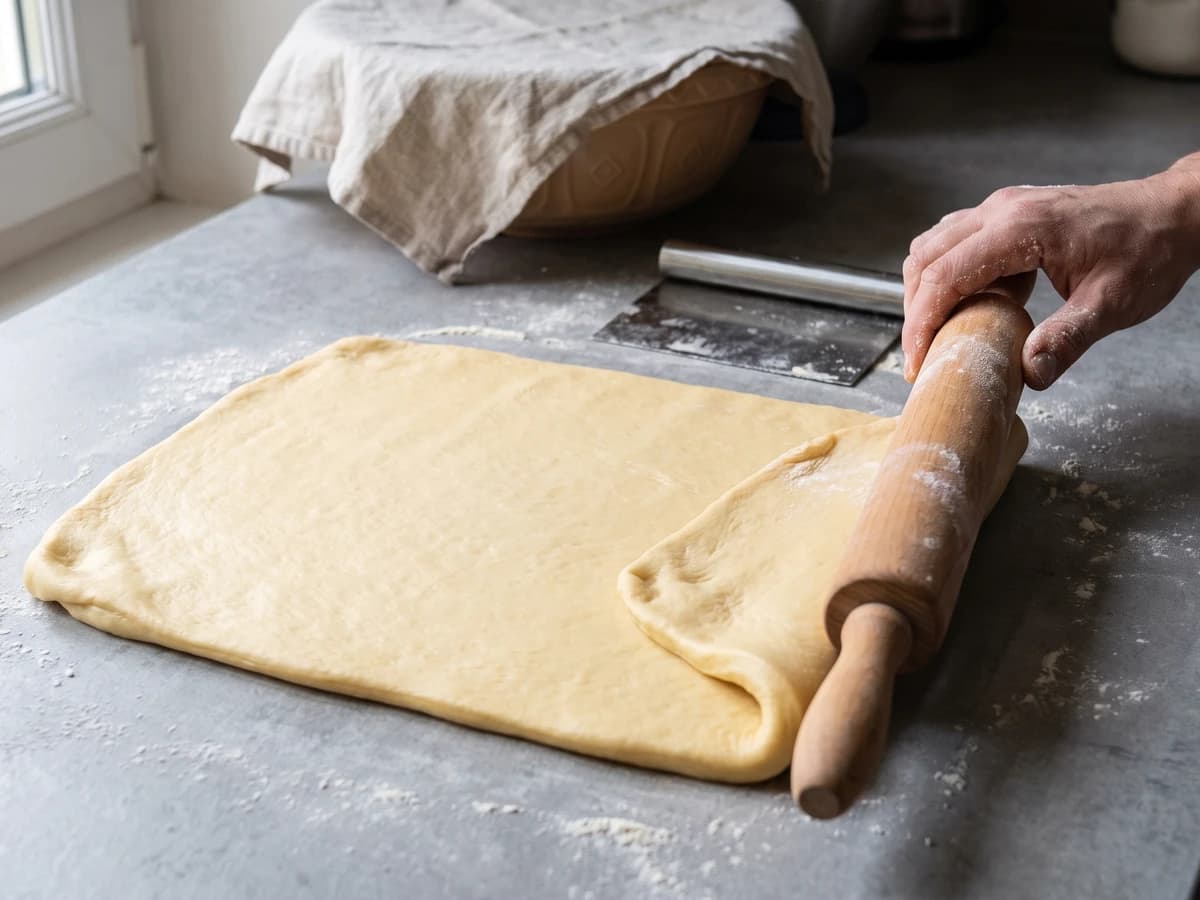
Pâte à brioche ordinaire, butter-rich yet firm, teaches the useful side of brioche: slow fermentation, disciplined mixing, and a dough that rolls cleanly for lining, wrapping, and every sturdy pastry job.

Chef Thomas
A proper British bloomer, slashed deep and baked until the cuts open wide and the crust turns deep, glossy gold. The kind of loaf that makes the rest of the day feel deliberate.