
Chef Dean
American Goulash
A Midwestern one-pot supper of seasoned ground beef, tender elbow macaroni, and tomatoes simmered into a thick, soul-satisfying stew. This is the dish that fed factory workers and farm families alike.
A cooking platform built around craft, culture, and the stories behind what we eat.
Created by
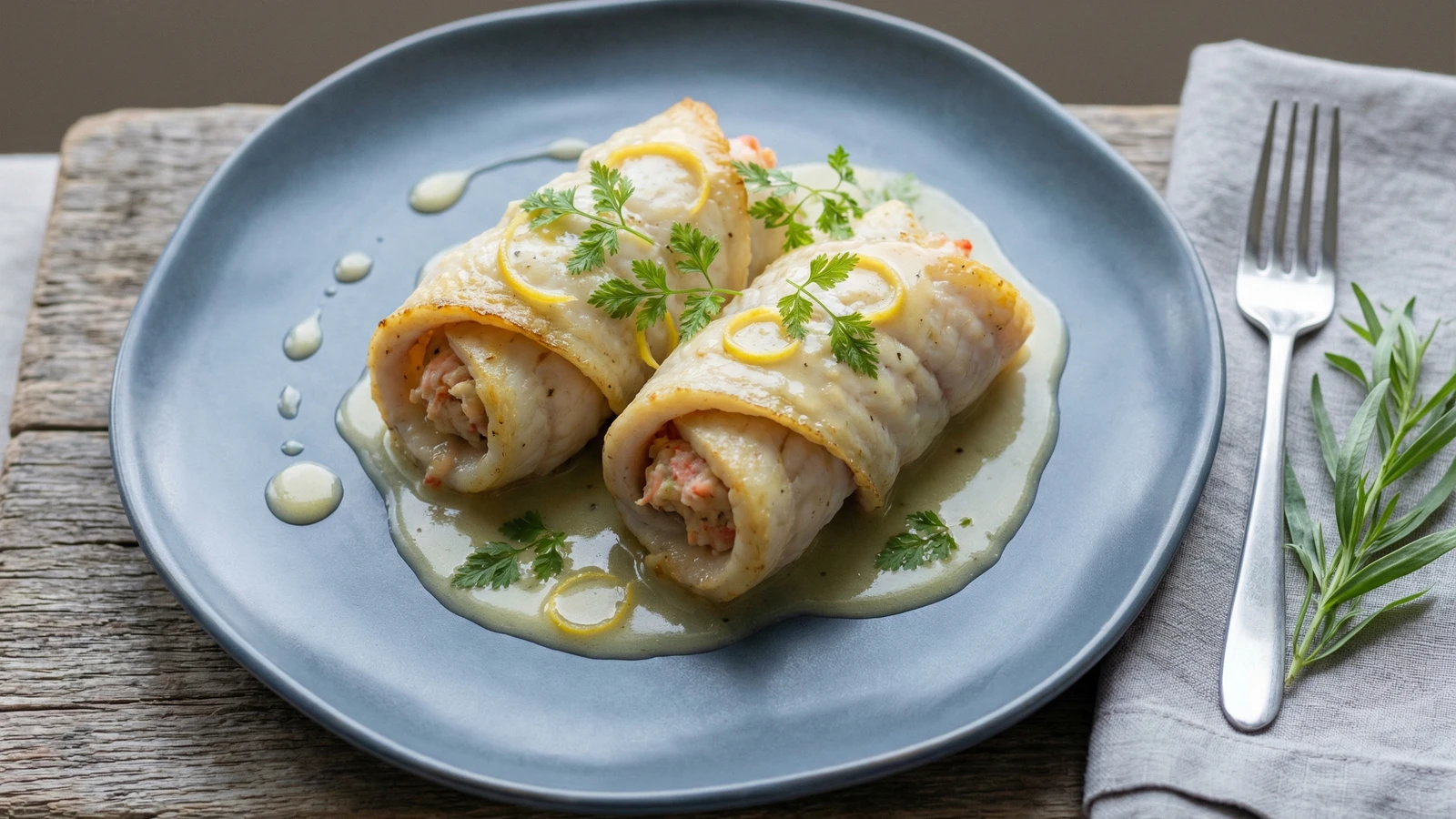
Tender sole fillets embrace sweet Dungeness crab in this Pacific Northwest classic, baked gently in white wine and butter until the fish turns opaque and the kitchen fills with the honest perfume of the sea.
The Pacific Northwest taught me to respect the waters. From the Coast Salish peoples who built civilizations on salmon runs to the Scandinavian immigrants who brought their curing traditions to these cold shores, this region understands seafood in its bones. The Dungeness crab that fills these sole rolls carries that heritage. Named for a small fishing village on the Strait of Juan de Fuca, this crab has sustained communities for thousands of years.
This dish represents everything I love about Northwest cooking: restraint, quality ingredients, and technique that honors rather than masks. The sole provides a delicate wrapper, mild enough to let the sweet crab shine. The sauce is nothing more than the braising liquid reduced with butter until it coats a spoon. No flour. No cream. Just the pure flavor of what went into the pan.
I've served these rolls at dinner parties where guests assumed I'd labored for hours. The truth? Thirty minutes of focused work. The elegance comes from the ingredients themselves and your willingness to handle them with care. Petrale sole from sustainable fisheries, Dungeness crab picked that morning if you're lucky enough to live near the source, a decent dry white wine you'd actually drink. That's the whole secret.
Seek out your local fishmonger. Ask questions. Where was this caught? When did it come in? The best cooks I know have relationships with the people who supply their kitchens. In the Northwest, we're blessed with fishermen who still work small boats, who understand that the ocean's bounty requires stewardship. Your dollars support that tradition.
Quantity
8 fillets (3-4 oz each)
Quantity
8 oz
picked over for shells
Quantity
4 tablespoons
divided
Quantity
2
minced fine
Quantity
1
minced fine
Quantity
1/4 cup
Quantity
2 tablespoons
minced
Quantity
1 tablespoon
minced
Quantity
1
Quantity
1 teaspoon
Quantity
1
zested
Quantity
1 cup
Quantity
1/2 cup
Quantity
2 tablespoons
cut into pieces
Quantity
1 tablespoon
Quantity
to taste
Quantity
to taste
Quantity
for garnish
| Ingredient | Quantity |
|---|---|
| sole fillets (petrale or Pacific Dover) | 8 fillets (3-4 oz each) |
| fresh Dungeness crabmeatpicked over for shells | 8 oz |
| unsalted butterdivided | 4 tablespoons |
| shallotsminced fine | 2 |
| celery ribminced fine | 1 |
| fresh breadcrumbs | 1/4 cup |
| fresh chivesminced | 2 tablespoons |
| fresh tarragonminced | 1 tablespoon |
| large egg yolk | 1 |
| Dijon mustard | 1 teaspoon |
| lemonzested | 1 |
| dry white wine | 1 cup |
| fish stock or clam juice | 1/2 cup |
| cold buttercut into pieces | 2 tablespoons |
| fresh lemon juice | 1 tablespoon |
| kosher salt | to taste |
| white pepper | to taste |
| fresh chervil or parsley (optional) | for garnish |
Lay your sole fillets on a clean work surface, skinned side up. Run your fingers gently across each fillet, feeling for any pin bones the fishmonger might have missed. Remove them with tweezers or needle-nose pliers. Pat the fillets completely dry with paper towels. Moisture is the enemy of clean rolling. Season lightly with salt and white pepper. White pepper here isn't pretension; it simply disappears into the pale flesh where black specks would be distracting.
Melt 2 tablespoons of butter in a small skillet over medium heat. When the foam subsides, add the shallots and celery. Cook, stirring occasionally, until softened but not browned, about 3 minutes. You want them translucent and sweet, not caramelized. Transfer to a mixing bowl and let cool for 5 minutes. Add the crabmeat, breadcrumbs, chives, tarragon, egg yolk, mustard, and lemon zest. Fold gently with a fork. The crab should stay in recognizable pieces, not become a paste. Season with salt and a touch of white pepper. Taste it. The filling should taste of sweet crab with herbal brightness cutting through.
Place about 2 tablespoons of filling at the wider end of each fillet. Don't overstuff; you need the fish to wrap completely around with a slight overlap. Roll from the wide end toward the narrow tail, tucking the tail underneath to secure. The roll should be snug but not tight. Place each roll seam-side down in a buttered baking dish, spacing them about an inch apart. They should fit in a single layer without crowding.
Preheat your oven to 375°F. Pour the wine and fish stock around (not over) the sole rolls. Cut the remaining 2 tablespoons of butter into small pieces and scatter them over the fish. Cover the dish tightly with foil, crimping the edges to seal. Bake until the fish is just opaque throughout, 15 to 18 minutes. The internal temperature should reach 140°F. Sole is thin and delicate; it goes from perfectly done to overdone in minutes. Start checking at 15 minutes.
Transfer the cooked rolls to a warm serving platter and tent loosely with foil. Pour the braising liquid through a fine-mesh strainer into a small saucepan. Bring to a boil over high heat and reduce by half, about 4 minutes. The liquid will concentrate and turn slightly syrupy. Remove from heat and whisk in the cold butter pieces one at a time, swirling the pan between additions. The sauce should turn glossy and emulsified, coating the back of a spoon. Stir in the lemon juice and taste for seasoning. It should be bright and rich simultaneously.
Arrange two sole rolls on each warmed dinner plate. Spoon the butter sauce generously over and around the rolls, letting it pool on the plate. Scatter fresh chervil or parsley over the top. Serve immediately. This dish waits for no one. The sauce will break if it sits, and the delicate sole deserves to be eaten at its peak.
1 serving (about 200g)
Culinary guides, cultural storytelling, and the editorial depth that makes cooking meaningful.
Discover Culinary ExplorerChef Dean
A Midwestern one-pot supper of seasoned ground beef, tender elbow macaroni, and tomatoes simmered into a thick, soul-satisfying stew. This is the dish that fed factory workers and farm families alike.

Chef Dean
A golden-crusted casserole of tender elbow macaroni swaddled in velvety cheese sauce, this is the macaroni and cheese that defines American comfort cooking. No boxed shortcuts. No apologies.

Chef Dean
Silky strips of seared beef and earthy mushrooms draped in a tangy sour cream sauce, ladled generously over buttery egg noodles. This is the dish that warmed a thousand American kitchens.

Chef Dean
A magnificent whole-roasted tenderloin crowned with a glossy red wine reduction, the kind of centerpiece that makes guests fall silent when it arrives at the table. This is holiday cooking at its honest best.