
Chef Ally
Citrus and Fennel Rub
A simple California rub where bright orange zest meets toasted fennel seed, made for pork shoulders and firm fish, for backyard grills and kitchen ovens, for cooks who believe seasoning should taste of something real.
A cooking platform built around craft, culture, and the stories behind what we eat.

Created by
Smoke-kissed lemons transform the classic Caesar into something altogether more interesting, their caramelized edges tempering sharp acidity while adding a whisper of char that belongs at every summer table.
The Caesar salad has been bastardized beyond recognition. Thick bottled dressings the color of kindergarten paste, gloppy and sweet, bearing no resemblance to what Cardini created in Tijuana nearly a century ago. This version rights those wrongs.
Charring the lemons changes everything. The high heat caramelizes the natural sugars, softens the harsh edge of raw citrus, and adds a smokiness that makes this dressing distinctly Californian. I first encountered the technique at a roadside grill stand in Santa Barbara, where a cook was charring citrus halves alongside tri-tip. The blackened lemons went into a vinaigrette that still haunts me.
This is a vinaigrette in structure but a Caesar in soul. Anchovy provides that essential umami backbone. Raw garlic brings heat. Parmesan adds salt and nuttiness. The charred lemon ties it together with brightness that doesn't bite. Spoon it over romaine hearts that have themselves spent thirty seconds on the grill, and you have a salad worthy of any summer gathering.
Make this once and you'll never buy bottled dressing again. That's not snobbery. That's simply recognizing that good food doesn't require much effort when you start with honest ingredients and treat them properly.
Quantity
2
halved crosswise
Quantity
4
Quantity
2 cloves
peeled
Quantity
1 large
room temperature
Quantity
1 tablespoon
Quantity
3/4 cup
Quantity
1/2 cup
finely grated
Quantity
1/2 teaspoon
Quantity
1/4 teaspoon
Quantity
to taste
Quantity
1 tablespoon
| Ingredient | Quantity |
|---|---|
| large lemonshalved crosswise | 2 |
| anchovy fillets, oil-packed | 4 |
| garlicpeeled | 2 cloves |
| egg yolkroom temperature | 1 large |
| Dijon mustard | 1 tablespoon |
| extra-virgin olive oil | 3/4 cup |
| Parmigiano-Reggianofinely grated | 1/2 cup |
| Worcestershire sauce | 1/2 teaspoon |
| freshly ground black pepper | 1/4 teaspoon |
| kosher salt | to taste |
| neutral oil for grilling (optional) | 1 tablespoon |
Slice your lemons in half through their equator, not pole to pole. This exposes the maximum surface area for charring. Pick out any visible seeds. Brush the cut surfaces lightly with neutral oil to prevent sticking and promote even browning.
Heat your grill to high, or set a cast iron skillet over the hottest flame your stove can produce. Place lemon halves cut-side down directly on the grates or pan. Don't touch them. Let them char for 4 to 5 minutes until the flesh develops deep black spots and the edges turn golden brown. The kitchen will fill with a smell somewhere between caramel and campfire. That's exactly right. Remove and let cool until you can handle them, about 10 minutes.
Once cool enough to handle, squeeze the charred lemons through a fine-mesh strainer into a small bowl. Press firmly with a wooden spoon to extract every bit of juice and the softened, caramelized pulp. Discard the seeds and membranes. You should have about 1/4 cup of juice. It will be darker than raw lemon juice, with visible flecks of char.
In a food processor or blender, combine the charred lemon juice, anchovy fillets, garlic cloves, egg yolk, Dijon mustard, Worcestershire sauce, and black pepper. Pulse several times to break down the anchovies and garlic, then process continuously until you have a smooth, pale paste. This takes about 30 seconds. The mixture should smell pungent and briny. If it doesn't make you slightly recoil, add another anchovy.
With the processor running, add the olive oil in a thin, steady stream through the feed tube. This should take a full 60 seconds. Rushing creates a broken, greasy mess. As the oil incorporates, the dressing will transform from a loose slurry into a creamy, cohesive emulsion with the consistency of heavy cream. You'll hear the pitch of the motor change as the mixture thickens. That's your cue that the emulsion has formed.
Add the grated Parmigiano-Reggiano and pulse just until combined. Taste the dressing. It should hit every note: salty, tangy, savory, with a whisper of smoke lingering at the finish. Adjust with salt if needed, though between the anchovies, cheese, and Worcestershire, you may not need any. If the dressing seems too thick, thin with cold water, one tablespoon at a time, until it coats a spoon but still drips freely.
Transfer to a jar or bowl and refrigerate for at least 15 minutes before using. This resting period allows the flavors to marry and the garlic to mellow slightly. The dressing will thicken as it chills. Bring to room temperature and whisk or shake vigorously before dressing your greens. It should cling to romaine leaves without pooling at the bottom of the bowl.
1 serving (about 270g)
Culinary guides, cultural storytelling, and the editorial depth that makes cooking meaningful.
Discover Culinary ExplorerChef Ally
A simple California rub where bright orange zest meets toasted fennel seed, made for pork shoulders and firm fish, for backyard grills and kitchen ovens, for cooks who believe seasoning should taste of something real.
Chef Ally
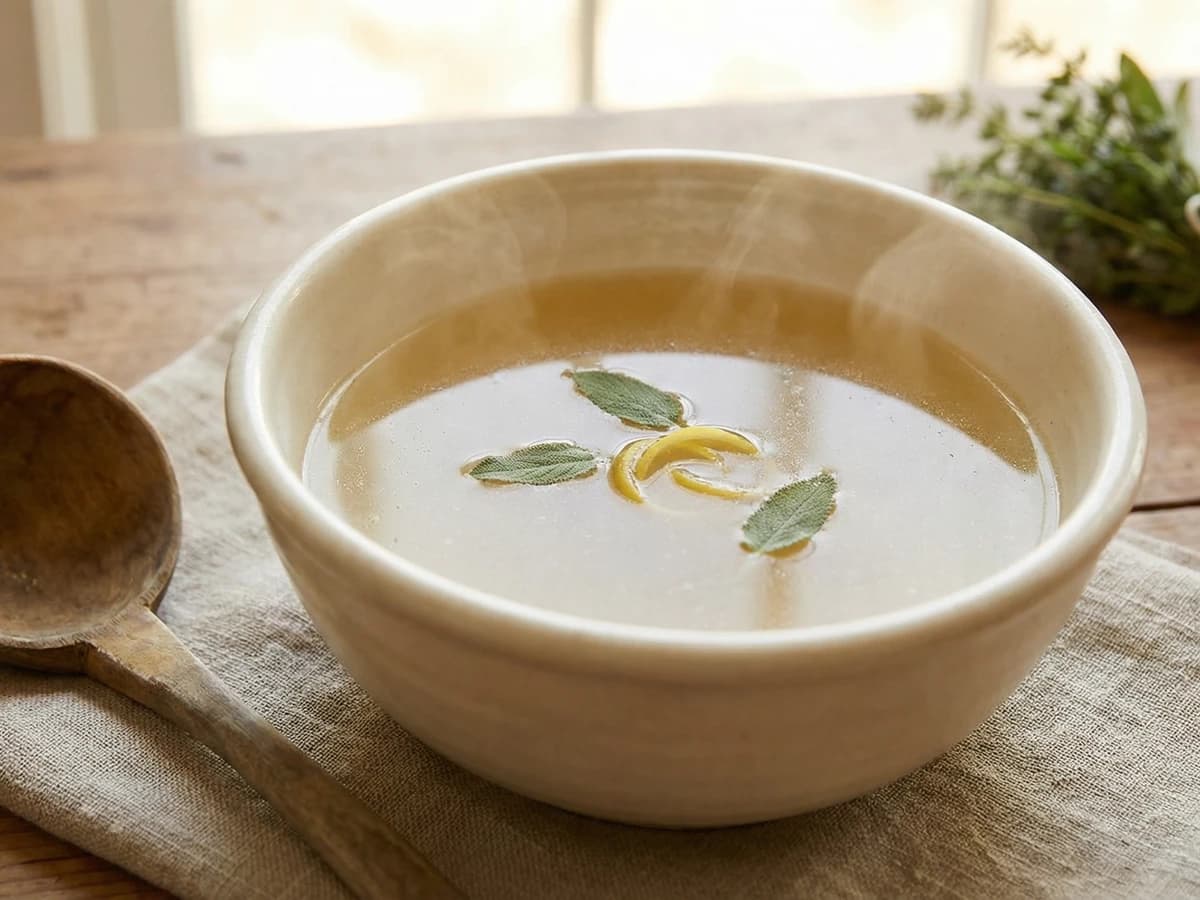
A clear, fragrant broth built from whatever tender herbs the garden or farmers market offers, steeped rather than simmered, bright with the aliveness of the season.

Chef Ally
A winter dressing that honors the fragrant, floral sweetness of Meyer lemons with nothing more than good olive oil, a whisper of shallot, and the restraint to let the citrus lead.

Chef Ally
A salsa that exists only in summer, when tomatoes are warm from the sun and so ripe they threaten to fall apart in your hands. Simple ingredients, honest technique, and the kind of flavor that reminds you why you wait all year.