Chef Dean
Avocado Deviled Eggs
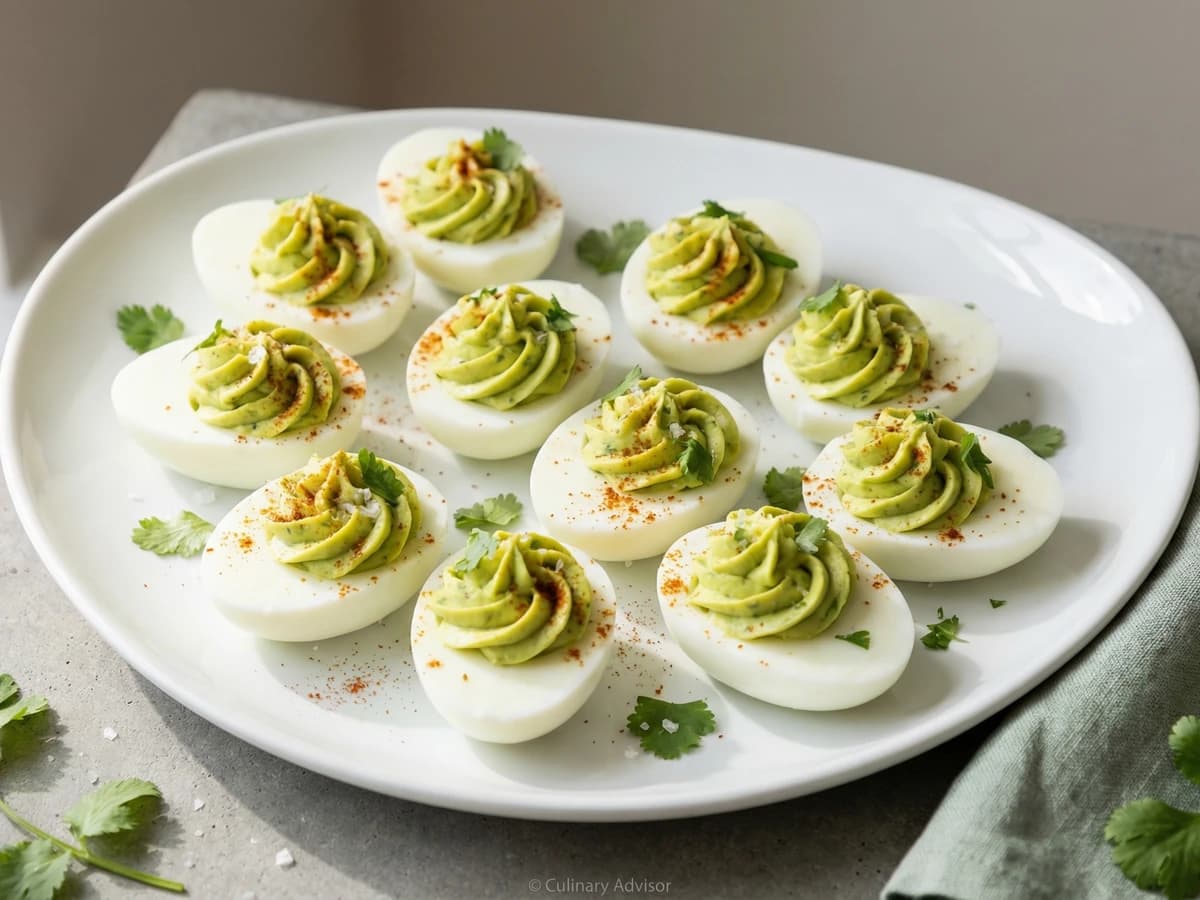
Classic deviled eggs reimagined with ripe avocado folded into the filling, creating something lighter, brighter, and impossibly creamy. The green is gorgeous. The flavor converts skeptics.
A cooking platform built around craft, culture, and the stories behind what we eat.
Created by
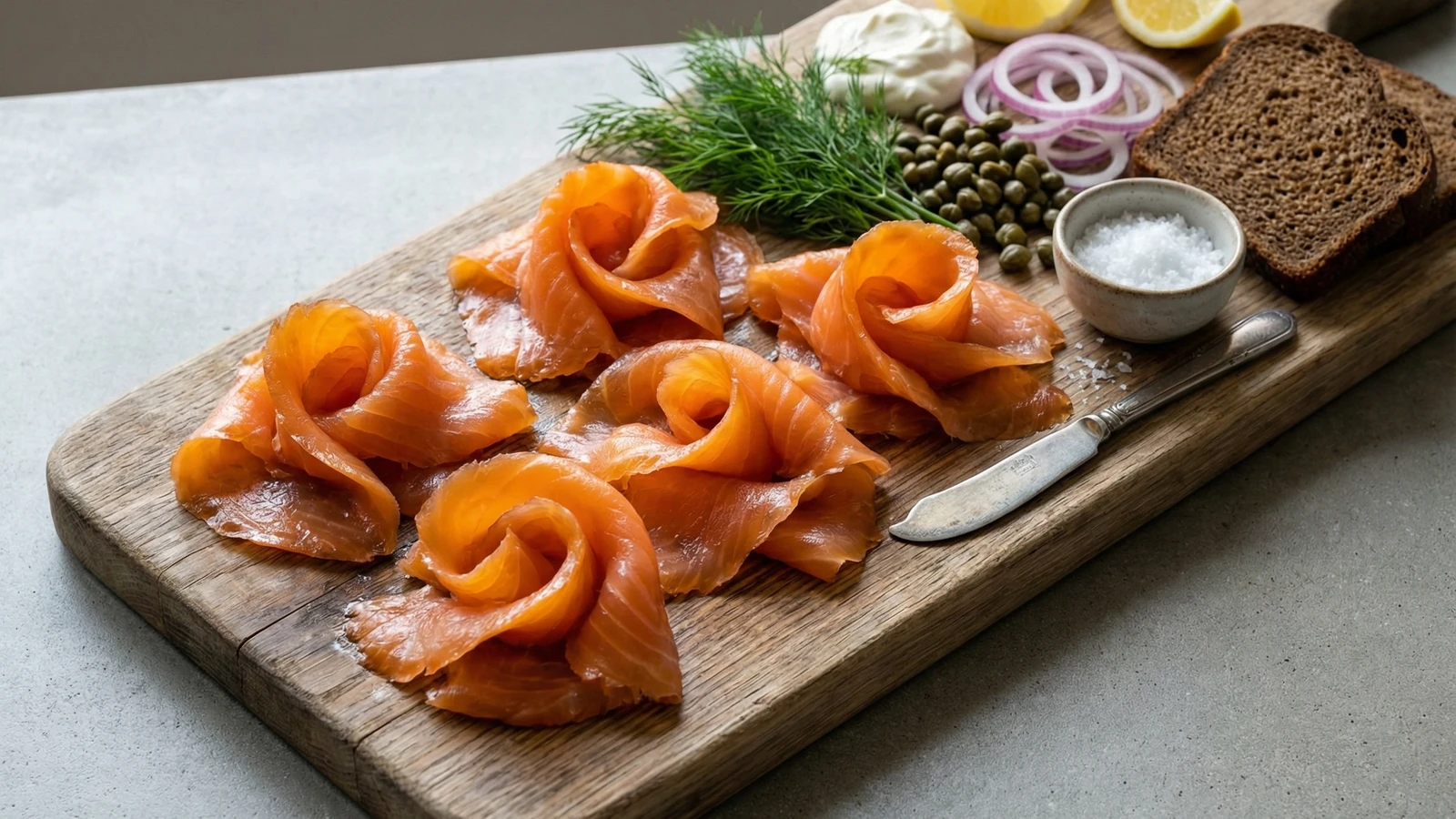
Wild salmon cured in salt and sugar, then kissed by alder smoke until silky and translucent. This is the Pacific Northwest on a plate, a tradition older than our nation, demanding patience and rewarding it with incomparable flavor.
The Coast Salish and Chinook peoples were smoking salmon centuries before Europeans arrived on these shores. They knew what we're still learning: alder wood and wild salmon share a natural affinity, the mild sweet smoke complementing rather than overwhelming the fish's own character. This isn't barbecue. This is preservation elevated to art.
Cold-smoking differs fundamentally from the hot-smoked salmon you find at most markets. The temperature never exceeds 80 degrees Fahrenheit. The flesh remains essentially raw, transformed by cure and smoke into something silken and intensely flavored. Think of lox's refined cousin, one who spent time in the forest before arriving at your table.
I learned this technique from a third-generation fisherman in Astoria whose family had been smoking salmon since his Swedish grandmother arrived in 1892. She brought the Scandinavian tradition. She met the Native methods already thriving here. The result is distinctly Pacific Northwest: neither purely European nor Indigenous, but something new born from both. That's the story of American food.
You'll need three days minimum. The cure takes a day. The pellicle, that tacky surface essential for smoke adhesion, requires another. The smoking itself runs four to eight hours depending on your equipment and desired intensity. This is not weekend cooking. This is a project. It deserves your full attention and rewards it generously.
Quantity
1 (2-3 pounds)
Quantity
1 cup
Quantity
1 cup
packed
Quantity
2 tablespoons
coarsely ground
Quantity
1 tablespoon
crushed
Quantity
1
zested
Quantity
1/4 cup
Quantity
enough for 4-8 hours cold smoking
Quantity
for serving
Quantity
for serving
drained
Quantity
for serving
thinly sliced
Quantity
for serving
| Ingredient | Quantity |
|---|---|
| whole salmon side, skin-on, pin bones removed | 1 (2-3 pounds) |
| kosher salt | 1 cup |
| brown sugarpacked | 1 cup |
| black peppercoarsely ground | 2 tablespoons |
| juniper berriescrushed | 1 tablespoon |
| lemonzested | 1 |
| bourbon or rye whiskey | 1/4 cup |
| alder wood chips or chunks | enough for 4-8 hours cold smoking |
| fresh dill fronds (optional) | for serving |
| capers (optional)drained | for serving |
| red onion (optional)thinly sliced | for serving |
| crème fraîche or cream cheese (optional) | for serving |
Seek out wild-caught Pacific salmon: king (Chinook), sockeye, or coho. King offers the highest fat content and most luxurious texture. Sockeye delivers deep red color and assertive flavor. Coho falls beautifully between them. Ask your fishmonger when the fish was caught. Anything over five days old won't cure properly. Run your fingers along the flesh. It should spring back, never feel mushy. The skin should shine. Trust your nose. Fresh salmon smells like the ocean, clean and briny, never fishy.
Lay the salmon skin-side down on your work surface. Run your fingertips along the thickest part of the flesh, feeling for the row of pin bones running down the center. They angle toward the head end. Using needle-nose pliers or fish tweezers, grasp each bone firmly and pull in the direction it points, not straight up. You'll find twenty to thirty bones. Missing even one ruins the experience of eating your finished salmon. Take your time.
Combine the kosher salt, brown sugar, black pepper, crushed juniper berries, and lemon zest in a bowl. The ratio matters: equal parts salt and sugar creates a balanced cure that seasons without making the fish unbearably salty. The juniper adds a gin-like note that echoes the evergreen forests where these fish spawn. Work the mixture with your fingers until evenly distributed, breaking up any sugar clumps.
Line a rimmed baking sheet with plastic wrap, leaving enough overhang to wrap the fish completely. Spread one-third of the cure mixture on the plastic. Lay the salmon skin-side down on the cure. Pour the bourbon evenly over the flesh. It carries flavor into the fish and aids moisture extraction. Pack the remaining cure onto the flesh side, building it thicker over the thickest portions and lighter toward the tail. The goal is even penetration. Cover completely with the overhanging plastic, pressing out air.
Place another baking sheet on top of the wrapped salmon. Weight it with several cans or a cast iron skillet. The pressure helps the cure penetrate evenly and expels moisture. Refrigerate for 24 to 36 hours. The salmon will release considerable liquid. This is correct. Don't drain it during curing. After 24 hours, the flesh should feel firm throughout when pressed, no longer soft in the center. Thicker fillets may need the full 36 hours.
Unwrap the salmon and rinse thoroughly under cold running water for three to four minutes, removing all visible cure. This step is essential. Skip it and your salmon will be inedibly salty. Pat completely dry with paper towels, pressing firmly. The surface should feel tacky, almost sticky. This is the beginning of the pellicle.
Place the rinsed salmon on a wire rack set over a rimmed baking sheet. Refrigerate uncovered for 12 to 24 hours. The pellicle, a thin protein-rich film that forms on the surface, is non-negotiable. Without it, smoke cannot adhere properly, and your salmon will weep white albumin during smoking. The surface should become noticeably tacky and slightly shiny, like the skin on dried paint. Touch it. Your finger should stick slightly then release cleanly.
Cold smoking requires maintaining temperatures below 80 degrees Fahrenheit while generating consistent smoke. This is the challenge. You need smoke without heat. Purpose-built cold smokers work best. Alternatively, a smoke generator attached to an unheated chamber, or smoking during cold weather (below 60 degrees ambient) in a conventional smoker with no heat source, achieves the same result. Soak your alder chips in water for 30 minutes if using a smoke generator, or use dry chips if using a cold smoke attachment.
Place the salmon on the smoker rack, skin-side down. Position it away from the smoke source to prevent heat exposure. Begin smoking. The alder will produce a sweet, delicate smoke quite different from the aggressive hickory or mesquite of Southern traditions. This is by design. Check temperature hourly. If it creeps above 80 degrees, open vents or add ice to a tray beneath the fish. Smoke for 4 hours minimum, up to 12 hours for more intense flavor. The salmon will deepen in color, turning from bright orange to a burnished amber.
Remove the salmon from the smoker and refrigerate, uncovered, for at least 4 hours. Overnight is better. This rest allows the smoke flavor to penetrate evenly and the texture to firm. The salmon will slice much more cleanly after this rest. Don't skip it.
Using your sharpest knife, slice the salmon as thin as possible at a steep angle, almost parallel to the cutting board. Start at the tail end. Stop just before cutting through the skin, then slide your knife horizontally to release the slice. Each piece should be translucent, practically see-through when held to light. Arrange on a platter with crème fraîche, capers, thinly sliced red onion, and fresh dill. Toasted bagels, dark rye bread, or simple crackers all serve as worthy vehicles.
1 serving (about 57g)
Culinary guides, cultural storytelling, and the editorial depth that makes cooking meaningful.
Discover Culinary ExplorerChef Dean
Classic deviled eggs reimagined with ripe avocado folded into the filling, creating something lighter, brighter, and impossibly creamy. The green is gorgeous. The flavor converts skeptics.

Chef Dean
Plump Medjool dates stuffed with toasted almonds, swaddled in bacon, and roasted until the fat renders crisp and the fruit turns molten. Three ingredients. Infinite satisfaction.

Chef Dean
Fire-roasted jalapeños cradling cool herbed cream cheese, wrapped in smoky bacon that shatters with each bite. This is Texas smokehouse tradition meeting backyard ingenuity, the kind of honest appetizer that disappears before the main course hits the grill.

Chef Dean
Fire-roasted jalapeños filled with tangy cream cheese and sharp cheddar, wrapped in bacon that shatters when you bite through. This is the appetizer that empties first and gets requested second.