
Chef Juliette
Ordinary or White Consommé
Beef shin, lean beef, and fowl begin in cold water and rise slowly toward a tremble. Skim before the boil, and you learn the quiet discipline that gives every clear French broth its backbone.
A cooking platform built around craft, culture, and the stories behind what we eat.
Created by Chef Juliette
Based on No. 366, Plain Olives, from Le Guide Culinaire (1907) by Auguste Escoffier
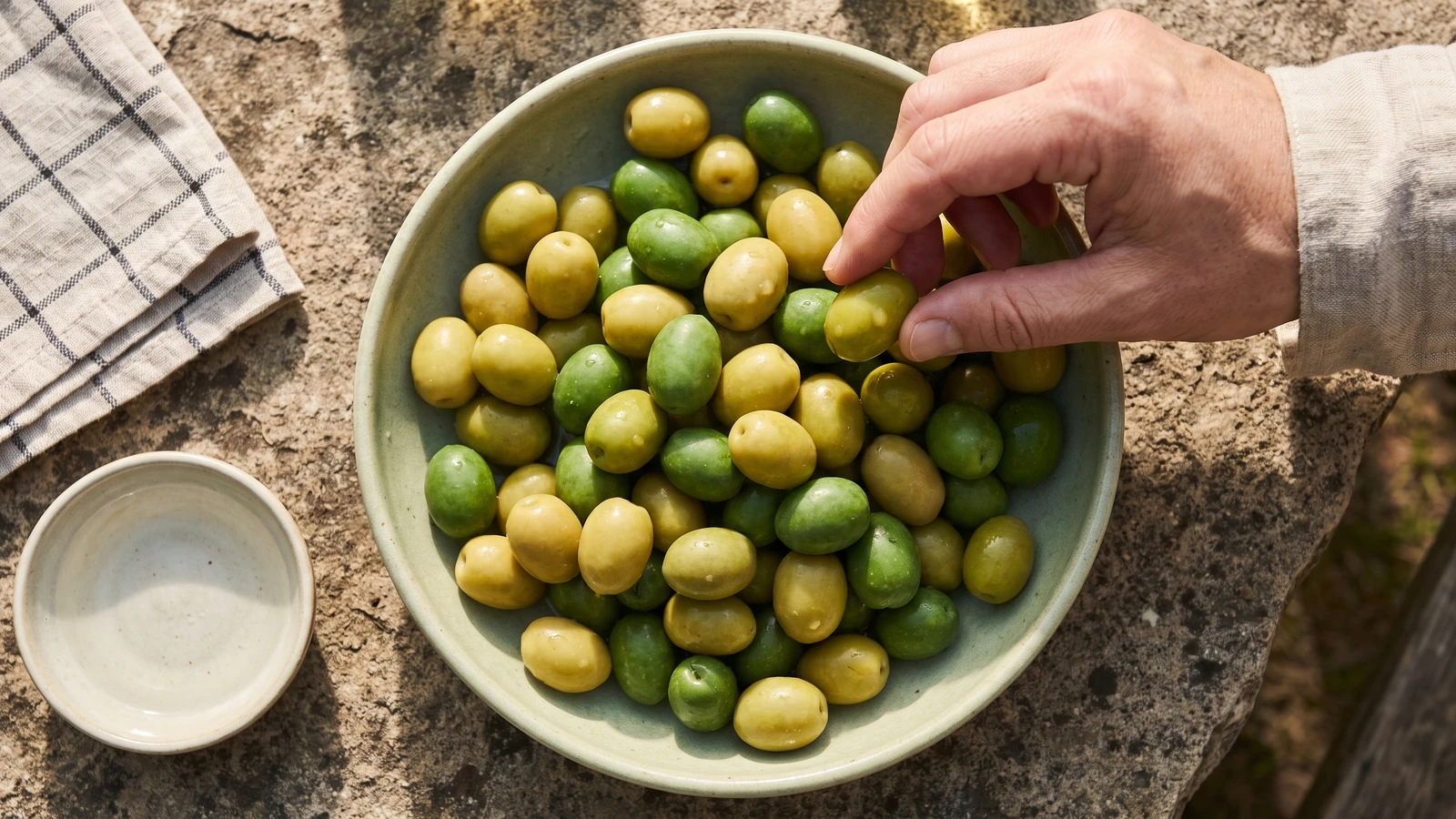
Fleshy, firm green olives served exactly as cured, with no oil, herbs, or citrus. Selection is the whole craft: choose clean fruit, correct excessive salt, and stop.
Olives au naturel teach the cleanest discipline in the canon: knowing when choosing is cooking. They should be fleshy, firm, vividly green, and moderately salted. Touching a pan would only spoil the lesson. The one true thing before you begin is this: taste before you empty the jar, because no dressing is coming to disguise a tired olive.
The original entry assumed a well-stocked hors-d'œuvre station able to choose among three or four varieties and set out brigade quantities without further instruction. At home, that scaffolding goes. Choose one excellent variety or a small mixture, then scale the bowl to 300 grams for four people. Selection stays because selection is the dish. No saucier, stockpot, or salamander belongs here; one cook needs only a colander, a towel, and a bowl.
Serve the olives at cool room temperature, dry enough to pick up easily but still supple with brine. If the salt is too fierce, a brief rinse corrects it without turning the olives into a salad. Ça se rattrape. Stop there. The first taste is the step that matters most, because it tells you whether to drain, rinse, or choose another jar.
Olives au naturel belong particularly to the apéritif and hors-d'œuvre tables of Provence and Languedoc, where fruit from Mediterranean groves is cured before it reaches the table. Classical hors-d'œuvre service carried this southern pantry staple throughout France and left it deliberately undressed; plain never means raw, because an olive straight from the tree is intensely bitter and must first be cured.
Quantity
2 cups (475 ml / 300 g)
drained just before serving
| Ingredient | Quantity |
|---|---|
| whole cured green olives, one to four varietiesdrained just before serving | 2 cups (475 ml / 300 g) |
Choose whole, brine-cured green olives with plump flesh, taut skins, and a clean fragrance. Taste one before committing the bowl. It should resist gently under the teeth, then release firm, fleshy fruit with enough salt to sharpen its flavour rather than bury it. One excellent variety is better than four indifferent ones; the original list described the larder's choice, not an obligation to make a mixture.
Drain the serving portion and taste again without a spoonful of brine around it. If the salt is moderate, do not rinse. If it strikes harshly before you can taste the fruit, rinse the olives briefly under cold water, soak them for 5 minutes, then drain and retaste. Repeat once if necessary. Ça se rattrape, but stop as soon as the fruit comes forward or you'll wash away its character. Soft flesh, rancid aromas, or a harsh fermented taste cannot be corrected by rinsing; choose another jar.
Spread the drained olives on a clean towel and blot them gently. Leave them covered at room temperature for about 20 minutes, just long enough to take off the refrigerator's chill. Cold dulls their fruit and makes the flesh seem harder than it is. Do not warm them, and do not leave them sitting in a puddle of diluted brine.
Heap the olives generously in a small bowl and set them down exactly as they are. No oil, herbs, garlic, citrus, or decorative leaves. Those belong to other preparations; here the cured fruit carries the whole plate. Add a small dish for the pits and serve. À table!
1 serving (about 75g)
Culinary guides, cultural storytelling, and the editorial depth that makes cooking meaningful.
Discover Culinary ExplorerChef Juliette
Beef shin, lean beef, and fowl begin in cold water and rise slowly toward a tremble. Skim before the boil, and you learn the quiet discipline that gives every clear French broth its backbone.

Chef Juliette
Break the veal bones small, then give them eight hours at a bare tremble. This pale, gelatinous fond becomes the quiet foundation beneath velouté, blanquette, and every sauce that must stay light.

Chef Juliette
Sauce Orientale concentrates lobster-rich American Sauce with curry, then folds in cream away from the fire: a glossy, gently spiced derivative made for lobster, crayfish, and firm fish.

Chef Juliette
An old lesson in sauce families: Sauce Allemande takes mushroom liquor, then butter, lemon, and parsley, becoming a glossy Poulette for sheep's trotters, leeks, cauliflower, and anything needing gentle richness with a bright edge.