Culinary Explorer
A cooking platform built around craft, culture, and the stories behind what we eat.
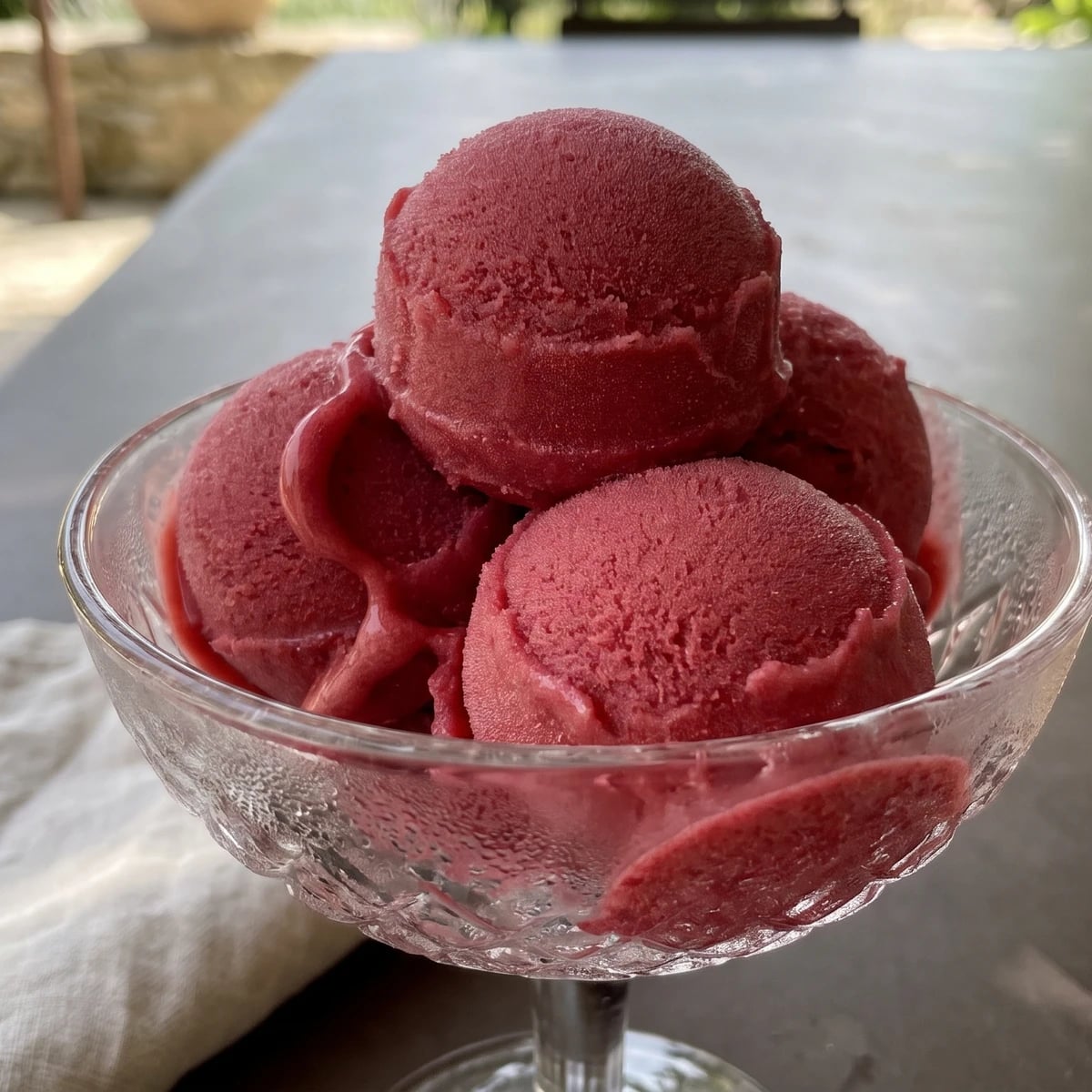
Preparations for Fruit Ices
Created by Chef Juliette
Glaces aux fruits teach the governing balance of frozen fruit: 32° syrup for body, strained purée for character, and at least one whole lemon per quart so the fruit tastes more fully of itself.
Glaces aux fruits (fruit ices) teach balance before anything else. The 32° in the old formula names the density of the syrup, not its temperature, but the one true thing to know before touching a pan is simpler: lemon juice is structural. It sharpens sweetness, controls the finish, and makes ripe fruit taste more completely of itself.
The original preparation assumed a pèse-sirop (syrup gauge), fruit rubbed through a broad tammy cloth, a sorbetière packed with ice and salt, and enough hands to test each batch as the season changed. A digital scale gives the same 32° syrup by weight, a fine-mesh sieve does the tammy's work, and a small electric churn replaces the attendant at the freezer. The entry supplied a working system rather than one fixed fruit-to-syrup ratio, so this home formula makes about one quart from 2¼ cups of purée and up to 1½ cups of syrup, with a little of each held back for adjustment. Scale and equipment changed because one cook needs a usable batch. The sieving, the acid, and the cold balancing stay because they are the dish.
Properly made, the ice is fine-grained and vivid, neither sugary slush nor a hard block, with the fruit arriving first and lemon clearing the palate behind it. Taste the base ice-cold and balance it before churning. That is the step that decides the dish.
Ingredients
granulated sugar
Quantity
1⅓ cups (315 ml / 265 g)
cold water
Quantity
¾ cup plus 2 teaspoons (190 ml / 190 g)
strained ripe fruit purée
Quantity
2¼ cups (540 ml / 540 g)
made from about 1½ pounds (680 g) prepared soft fruit
| Ingredient | Quantity |
|---|---|
| granulated sugar | 1⅓ cups (315 ml / 265 g) |
| cold water | ¾ cup plus 2 teaspoons (190 ml / 190 g) |
| strained ripe fruit puréemade from about 1½ pounds (680 g) prepared soft fruit | 2¼ cups (540 ml / 540 g) |
Where cooking meets culture.
Culinary guides, cultural storytelling, and the editorial depth that makes cooking meaningful.
Discover Culinary Explorer