
Chef Juliette
Smelt (Éperlans)
Tiny éperlans, lightly floured and fried until their tails stand crisp, arrive in a generous heap on a napkin with fried parsley and grooved lemon, a weeknight lesson in heat and restraint.
A cooking platform built around craft, culture, and the stories behind what we eat.

Created by Chef Juliette
Based on No. 266, The Quantity of the Frying Medium, from Le Guide Culinaire (1907) by Auguste Escoffier
The classical frying lesson is simple: use enough fat to submerge the food completely, then fry modest batches so the bath stays hot and the crust turns crisp, even, and clean.
La Quantité du Bain de Friture (the quantity of the frying medium) teaches the first law of friture: the food must disappear beneath the fat. A shallow puddle loses heat the instant the food enters, then the coating drinks oil before it can set. A generous bath is not extravagance. It is a reserve of heat, and that reserve gives you a crisp, evenly bronzed shell.
The classical kitchen assumed a large permanent vat, a fierce fire beneath it, and a cook watching the temperature between every batch. For four appetizer portions, the honest home equivalent is a 7-quart heavy pot, 3 quarts of refined oil, and a clip-on thermometer. The vat and brigade quantity are reduced, not the principle. Tending a permanent fryer was scaffolding and can go; complete submersion and heat recovery are the dish and must stay. One cook, one stove, one evening.
Before the first piece meets the fat, measure the depth while everything is cold. The food needs at least 1 inch of oil above it when submerged, while the upper half of the pot remains empty for bubbling and displacement. Then fry no more than 4 ounces at once and let the bath recover fully before the next batch. That pause is the step that matters most.
La quantité du bain de friture belongs to the French classical kitchen rather than to one regional larder; friture names both the cooking fat and the act of immersing food in it. Fry stations in Parisian kitchens and Lyonnais bouchons learned the same practical truth: a larger body of fat carries more stored heat into each batch, so abundance here is temperature control, not display. The permanent vat and its dedicated fire fell away at home, but the rule traveled intact into the deep household pot.
Quantity
3 quarts (2.84 L / about 2.6 kg)
Quantity
16 pieces, about 4 cups loosely arranged (1 pound / 454 g) total
ready to fry, surface-dry, and divided into four batches
| Ingredient | Quantity |
|---|---|
| refined peanut oil or high-oleic sunflower oil | 3 quarts (2.84 L / about 2.6 kg) |
| prepared French appetizer piecesready to fry, surface-dry, and divided into four batches | 16 pieces, about 4 cups loosely arranged (1 pound / 454 g) total |
Set a completely dry 7-quart heavy pot on the cold stove and pour in the 3 quarts of oil. The oil must be deep enough to cover every piece by at least 1 inch once submerged, while the pot remains less than half full. This pot-and-fat pairing is the home scale: the permanent vat was brigade scaffolding, but generous depth is not. If larger pieces cannot meet both rules, use a larger pot and proportionally more oil; never solve the problem by overfilling.
Blot every appetizer piece until its surface is dry, then divide the pound into four batches of no more than 4 ounces each. Any filling that its own preparation requires cooked must already be cooked. If the pieces were chilled to hold their shape, keep them chilled and use these small batches; never leave a perishable filling to warm on the counter merely to spare the oil a temperature drop. Water spits violently in hot fat, while a dry surface lets the crust set cleanly.
Clip the thermometer to the pot without letting its tip touch the bottom, and place a fitted metal lid within reach. Heat the bain de friture steadily to the temperature named by the appetizer preparation. If none is given, 350°F (175°C) is a sound starting point for small breaded appetizers. The surface should shimmer without smoking. If the oil overshoots by more than 10°F (6°C), turn off the burner and let it fall naturally. If it smokes, turn off the heat, do not move the pot, cover it, and let it cool before discarding it. If flames appear, turn off the burner only if it is safe, slide the lid over the pot, never add water, and call emergency services if the fire is not contained at once.
Lower one 4-ounce batch into the fat with the wire spider, moving away from your body. Add the pieces one by one so they do not stick, then make certain they remain fully submerged. Fry for the time required by their preparation, turning only if needed, until their surfaces are evenly bronzed and crisp under the spoon. Watch the thermometer as closely as the colour. A brief fall is normal; a drop greater than about 25°F (14°C) means the batch is too large for the bath.
Lift the first batch to the rack and wait until the bain de friture returns fully to its target temperature before adding another. This recovery is the source entry's whole lesson. If a batch emerges pale and greasy because the temperature fell, stop and drain it while the bath reheats. Ça se rattrape: once the oil is ready, return the pale pieces for 30 to 60 seconds to reset and crisp their crust. If they are already dark, do not refry them; drain them well, then make the next batch smaller.
Transfer each finished batch to a wire rack set over a rimmed sheet pan, leaving the pieces in one layer. A heap traps moisture and softens the crust you have just worked for. Finish them only as their own preparation directs, then serve as soon as the final batch has drained. Cooking well is not cooking fancy. À table!
Turn off the burner and leave the pot exactly where it is until the oil is completely cool. Never carry or pour warm frying fat. Once cool, strain it through a fine-mesh sieve into a clean, dry container, close it tightly, and refrigerate it for another compatible batch. Discard it if it smells stale or acrid, feels sticky, foams excessively, or has become very dark.
1 serving (4 pieces, about 120g)
Culinary guides, cultural storytelling, and the editorial depth that makes cooking meaningful.
Discover Culinary ExplorerChef Juliette
Tiny éperlans, lightly floured and fried until their tails stand crisp, arrive in a generous heap on a napkin with fried parsley and grooved lemon, a weeknight lesson in heat and restraint.

Chef Juliette
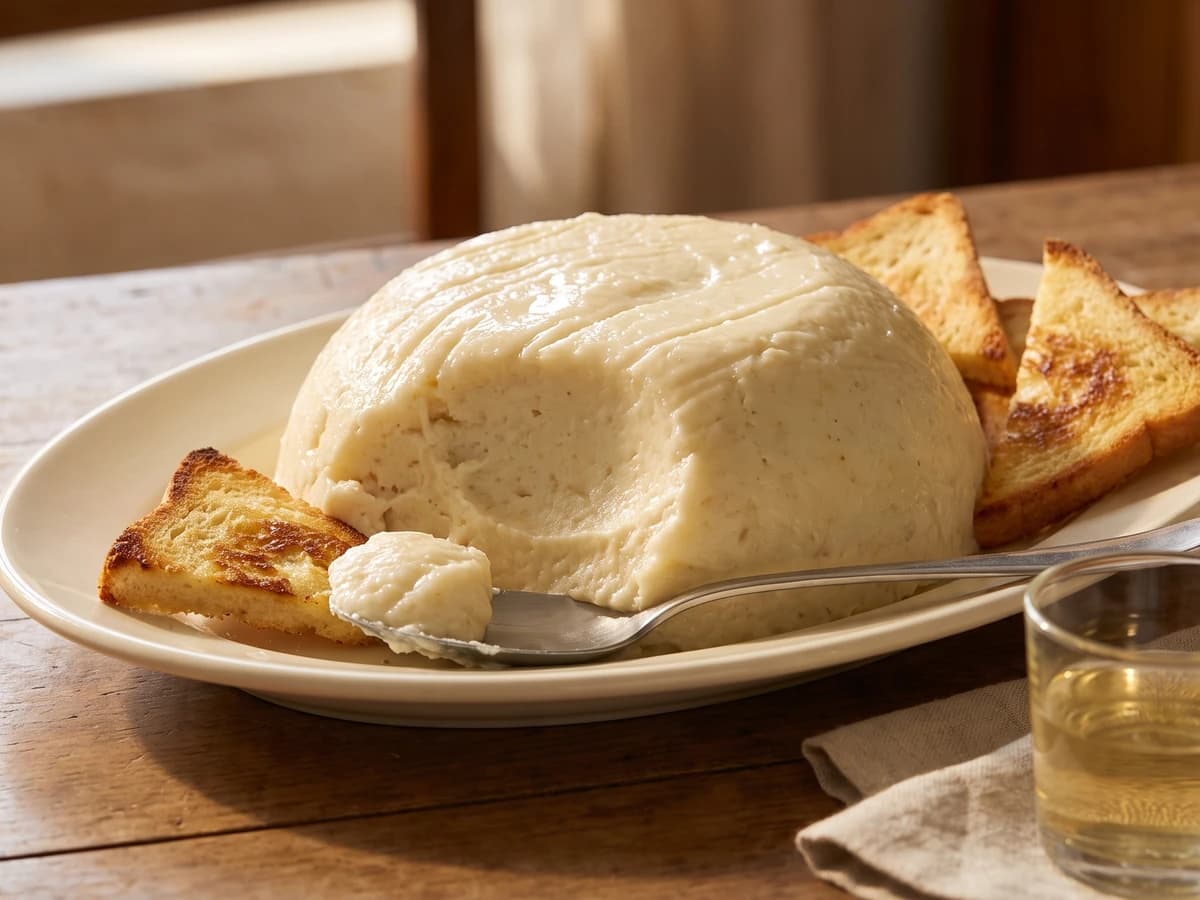
Brandade de Morue turns salt cod, warm olive oil, and milk into a pale, silky emulsion: keep everything warm and add the oil slowly, then crown the generous dome with butter-fried bread.
Chef Juliette
Salt cod worked warm with cream, one patient spoonful at a time, until the rough flakes become a glossy Nîmes paste, domed generously and ringed with butter-fried croutons for the table.

Chef Juliette
Wine-poached char packed in its earthenware crock beneath butter gold: a make-ahead first course that turns careful cooling, thorough boning, and one unbroken seal into quiet abundance.