Culinary Explorer
A cooking platform built around craft, culture, and the stories behind what we eat.
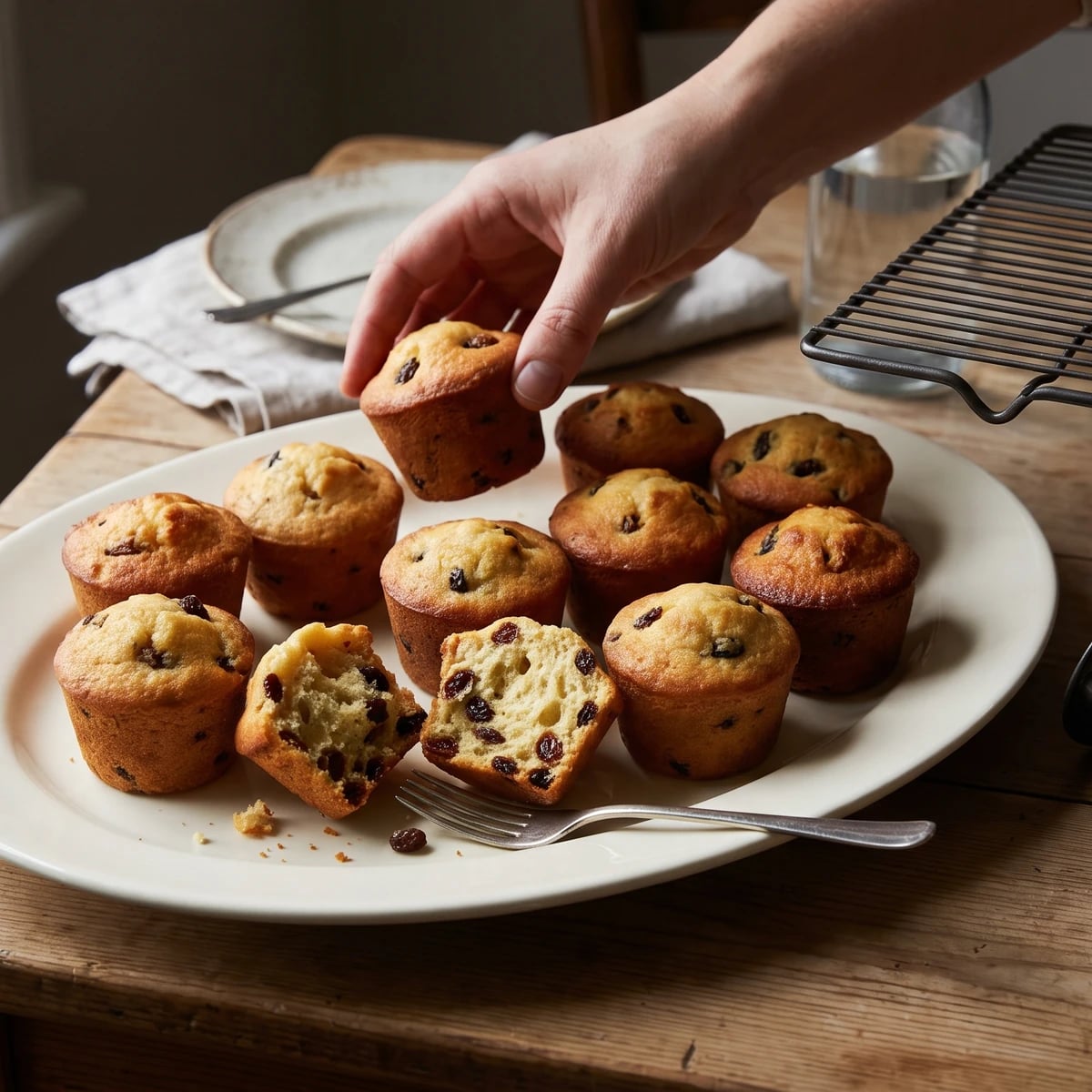
Pâte à Baba
Created by Chef Juliette
A butter-rich savarin paste beaten until elastic, then finished with currants, sultanas, and optional Malaga raisins. Fill each mould only one-third, and it rises into a light, fruit-studded baba.
Pâte à Baba (baba dough) teaches the law of enriched yeast paste: build elasticity before the butter and fruit arrive. That is the one true thing to know before you touch the bowl. Flour and egg must first become a springy web strong enough to hold a great deal of butter; rush the structure and the babas bake squat and greasy.
The book assumed a pastry cook who already held Savarin paste in muscle memory, a warm proving cupboard, and rows of individual metal moulds. At home, a stand mixer does the long beating, a draft-free corner supplies gentle warmth, and a deep metal muffin tin stands honestly for the baba moulds. I have halved the brigade formula, weighed the awkward half egg, and kept its defining ratios. The separate Savarin-paste cross-reference was brigade scaffolding, so its method is written out here; adding the currants and sultanas with the sugar at the very end, laying Malaga raisins beneath the paste, and filling each mould only one-third are the dish, and they stay. One cook, one stove, one evening.
When the paste is ready, it turns satiny, elastic, and almost alarmingly soft. Don't stiffen it with extra flour. Beat it until it stretches, add the butter patiently, then trust the one-third fill. If the emulsion goes greasy, stop and chill the bowl briefly. Ça se rattrape. The beating before the butter is the step that decides everything.
Ingredients
strong white bread flour
Quantity
1⅞ cups (450 ml / 227 g)
unsalted butter
Quantity
½ cup (120 ml / 113 g)
very soft but not melted
unsalted butter for the moulds
Quantity
2 teaspoons (10 ml / 10 g)
softened
| Ingredient | Quantity |
|---|---|
| strong white bread flour | 1⅞ cups (450 ml / 227 g) |
| unsalted buttervery soft but not melted | ½ cup (120 ml / 113 g) |
| unsalted butter for the mouldssoftened | 2 teaspoons (10 ml / 10 g) |
Where cooking meets culture.
Culinary guides, cultural storytelling, and the editorial depth that makes cooking meaningful.
Discover Culinary Explorer